At Geotab Connect 2025 in Orlando, Florida, Fleet EV News was introduced to eMotion Fleet, an emerging leader in fleet electrification solutions across Japan and the broader Asia-Pacific region. eMotion Fleet is on a mission to help fleet operators transition from diesel to electric by providing a fully integrated service that combines vehicles, charging infrastructure, electrification services, software, and telematics.
Shuji Shiraki, Founder and CEO of eMotion Fleet, launched the company with co-founder Dennis Ilic with the vision of supporting fleet operators through every stage of electrification—from planning and deployment to operational management. His company works with logistics providers, taxi fleets, bus operators, municipalities, airports, and seaports, offering tailored electrification solutions that optimise fleet performance.
A key element of eMotion Fleet’s approach is its partnership with Geotab. As an authorised Geotab reseller in Japan and Asia, eMotion Fleet integrates Geotab’s telematics technology into its EV fleet and energy management system, enabling fleets to track battery health, manage charging schedules, and optimise vehicle efficiency.
Japan’s Slow But Emerging EV Transition
Despite being home to automotive giants like Toyota, Nissan, and Honda, Japan has been slow to adopt electric vehicles (EVs). The EV penetration rate in Japan is only around 1.3%, significantly trailing behind Singapore (nearing 34%) and Thailand (14%). A major factor in this slow adoption is the dominance of hybrid vehicles and the limited availability of Japanese-made EVs.
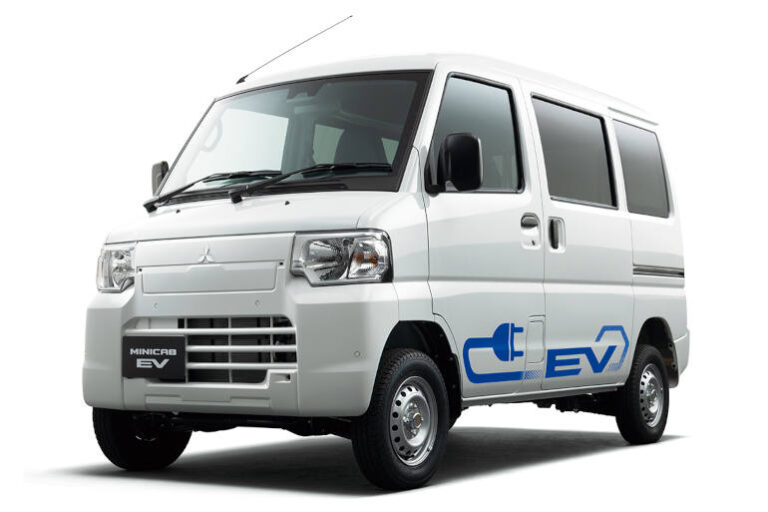
However, demand for EVs is growing among fleet operators, particularly in last-mile delivery, public transport, and corporate fleets. EVs offer practical advantages such as lower floors for easier driver access, increased cargo capacity, and reduced maintenance costs. With Chinese and South Korean EV manufacturers entering the Japanese market, fleet operators are beginning to explore non-traditional brands for their electrification needs.
The Role of Telematics in Japan’s Fleet Industry
Fleet management in Japan has historically focused on GPS tracking and digital tachographs, with an emphasis on driver safety and compliance. However, as fleets begin electrifying, more advanced telematics solutions are required to track battery health, state of charge (SOC), and energy efficiency—data points that traditional telematics tools do not provide.
This is where eMotion Fleet’s partnership with Geotab becomes crucial. By integrating Geotab’s telematics solutions, eMotion Fleet offers fleets a comprehensive data-driven approach to monitoring and managing EV performance, ensuring optimal vehicle utilisation and charging efficiency.
Expanding Beyond Japan: eMotion Fleet’s Growth in Asia
While 80% of eMotion Fleet’s current focus is on Japan, the company has already begun expanding into Thailand, Malaysia, and Indonesia—markets where EV adoption is accelerating.
- Thailand is leading the region with an aggressive government target of 30% of vehicle production being electric by 2030.
- Malaysia and Indonesia are slower to electrify due to fuel subsidies, but as these subsidies decrease, the Total Cost of Ownership (TCO) for EVs is becoming more attractive.
- Fleet operators in Southeast Asia are increasingly interested in telematics solutions for fuel theft prevention, carbon credit tracking, and cost reduction.
While telematics adoption in these markets is still GPS-focused, there is growing demand for more advanced fleet management tools—a gap eMotion Fleet is poised to fill.
Future Plans
Although eMotionFleet is not yet active in Australia, Shiraki sees it as a key future market. Australia’s right-hand drive vehicle ecosystem aligns with eMotion Fleet’s current operations, and the country’s growing focus on EV adoption and sustainable fleet management presents an opportunity.
In his previous role as eLCV manufacturer Shiraki has previously engaged with major Australian fleet operators who have expressed interest in electric last-mile delivery solutions. However, resource allocation and strategic expansion remain key factors in determining when eMotion Fleet will enter the Australian market.
Japan’s fleet industry may be slow to electrify, but demand is growing—especially in logistics, public transport, and corporate fleets. With eMotion Fleet’s expertise in combining hardware, service, software, and telematics, the company is positioned to play a major role in Japan’s EV transition.
- Hyundai says it needs to tell its EV story again
 Hyundai Australia believes it already has one of the broadest electric vehicle ranges in the market, but says it hasn’t done enough recently to make sure Australian buyers know about it. Speaking with Fleet News Group at Everything Electric Sydney, Hyundai Motor Company Australia Chief Operating Officer Gavin Donaldson said the brand needs to do
 - Toyota Plugs More Choice into RAV4 RangeToyota will expand its RAV4 plug-in hybrid range with a new GXL two-wheel-drive variant in the first quarter of 2027, giving fleet buyers another option for combining electric daily driving with petrol-powered longer journeys. The new mid-range model will offer a claimed electric-only range of 121km on the WLTP test cycle and support both AC
- For Allianz, EVs are now business as usualFor many organisations, fleet electrification still means pilots, trials and discussions about what might happen next. At Allianz, the conversation has moved on. After starting its transition with a small pilot of 12 vehicles two years ago, the insurer has reached the point where electric vehicles are becoming part of its normal fleet replacement process.
- Tesla adds Vehicle to Load across its rangeTesla has announced Vehicle to Load (V2L) capability across all models from October 2026 production, adding the ability to power external electrical equipment from the vehicle’s battery. The new Model 3 RWD is among the first vehicles to receive the technology, which gives owners another use for their EV beyond transport. The announcement addresses a
- SANY electric trucks hit the road with Prancer in NSWPrancer Australia has entered the electric truck market with SANY, taking on sales of the manufacturer’s light trucks and prime movers across New South Wales and Canberra. Speaking with Fleet News Group at Everything Electric in Sydney, Brenton Sweeney, Sales Executive Commercial Vehicles and Equipment at Prancer Australia, said the business had only recently taken