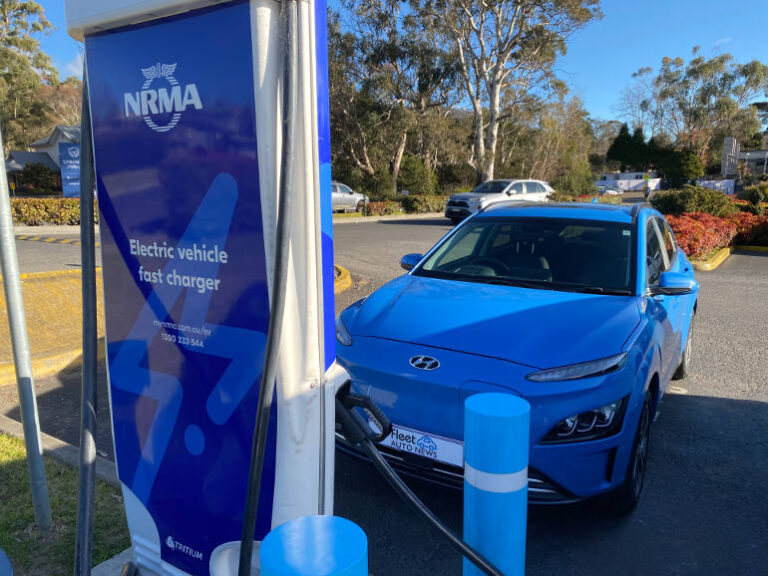
Public charging is no longer just a backup option for early EV adopters. As charging networks mature, it is becoming an important part of the planning model for organisations preparing to add electric vehicles to their fleets.
Speaking with Fleet EV News at the Autel EV Innovation Seminar 2026, Peter Burke, EV Infrastructure Delivery at the NRMA, said the organisation is now using data from more than 150 active charging sites across Australia to better understand how drivers use the network.
“We’ve now got over 150 active sites around Australia,” Burke said. “Some of them are in high-density metro areas, and we do a lot to do with monitoring peak use and trying to convey that information back to the user.”

For Fleet Managers, this is an important shift. Public charging may not replace depot or home charging, but it needs to be considered as part of the charging mix. Depending on the fleet operation, public charging may support regional travel, overflow demand, exception trips, field-based workers or vehicles that cannot reliably return to a depot.
Burke said the NRMA’s national footprint is giving it insight into both metro and regional charging behaviour.
“We’ve got sites in places of Australia that other operators do not, and we can see peaks over holiday periods,” he said.
This matters because public charging demand is not consistent. Regional sites can experience strong peaks during holiday periods, while metro sites may be shaped by commuting patterns, local EV adoption and the availability of home charging.
For organisations planning an EV transition, the lesson is to understand how vehicles are used before deciding how much reliance should be placed on public charging. Daily kilometres, route patterns, driver locations and dwell time all need to be reviewed.
Public charging can reduce the need for upfront capital investment in depot infrastructure, but it can also create productivity risk if drivers need to travel out of their way, wait for chargers, or charge during peak periods.
The best fleet charging model will usually be a combination of depot, home and public charging. The percentage split will depend on the operational needs of the fleet, not a generic industry benchmark.
As the public charging network matures, Fleet Managers will have more options. But they will also need stronger policies, better data and a clearer understanding of where public charging fits in the total cost of operating an electric fleet.
- BYD ATTO 1 Brings Right-Sized EVs into Focus
 BYD is strengthening the case for compact electric vehicles in Australian fleets, with a new offer on the ATTO 1 Essential highlighting the potential role of smaller EVs in urban and metropolitan applications. The ATTO 1 is BYD’s compact electric hatch, offering up to 220km of driving range under the WLTP test cycle and targeting
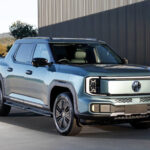
 - MGU9 EV Gives Fleets Another Electric Ute to ConsiderAustralia will be the first market in the world to receive MG’s new all-electric MGU9 EV, giving fleet operators another option as manufacturers begin pushing battery-electric vehicles into the ute segment. MG Motor Australia says the MGU9 EV has been designed and tested for Australian conditions, combining dual-motor all-wheel drive with a 102.2kWh LFP battery,
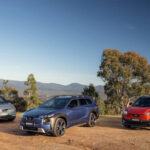
- Subaru Showcases Expanded Electric SUV RangeSubaru Australia showcased its largest electrified vehicle line-up at Everything Electric Sydney, highlighting how quickly the brand had expanded its battery-electric range. The display brought together the new Subaru Uncharted, Solterra and Trailseeker battery-electric SUVs alongside the Forester Strong Hybrid. Together, the four models gave fleet buyers a clearer view of Subaru’s multi-powertrain approach to
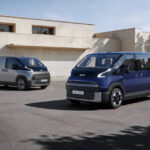
- Kia PV7 Brings More Van to the EV MarketKia is expanding its electric commercial vehicle strategy with the new PV7, a larger electric van designed to sit above the PV5 and target fleets requiring more payload, cargo capacity and operating range. Unveiled at IAA Transportation 2026 in Hannover, the PV7 is the second model in Kia’s dedicated Platform Beyond Vehicle (PBV) range and
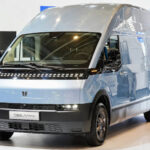
- DELIVAN Takes Connected Electric Vans to EuropeChery Commercial Vehicle’s new DELIVAN brand has used IAA Transportation 2026 in Hannover to outline a European electric van strategy that goes well beyond the vehicle itself, combining battery-electric commercial vehicles with fleet management, predictive servicing and specialist conversions. DELIVAN presented two core electric vans and four conversion solutions at the show as it prepares