Ford is making the case that electric commercial vehicles should be sized around the work they actually do, rather than chasing the biggest possible battery and the longest headline range.
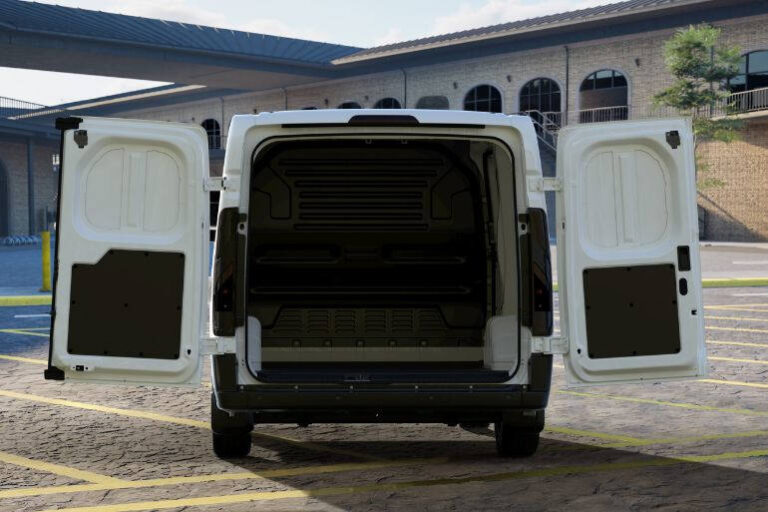
That thinking sits behind the new Ford Transit City, which uses a 56kWh battery and offers a quoted 254km WLTP combined driving range.
While that figure is modest compared with many passenger EVs, Ford says Australian fleet data shows it should be more than enough for the majority of urban van operators.

Fleet data points to shorter daily routes
Ford analysed operating data from 2,312 Transit Custom vans in Australia and found typical urban daily travel averaged just 76km.
More importantly for fleets assessing whether an EV can complete its normal workload, 90 per cent of daily routes in the sample required 200km or less.
Ford Australia General Manager, Product Marketing Karen Larkin said the company was using operating data to help address concerns about EV range.
“all we can do is try and negate range anxiety and back it up with facts”
For Fleet Managers, the data highlights why vehicle selection should begin with an understanding of how fleet vehicles are actually being used.
Telematics data can show daily kilometres, route variability, dwell times and other operating patterns, allowing fleets to determine whether 254km of range is comfortably adequate or whether individual vehicles need something different.
Bigger batteries come with trade-offs
There is also a commercial vehicle argument for avoiding battery capacity that will rarely be used.
A bigger battery adds weight and cost, potentially affecting both payload and the business case for moving from an internal combustion vehicle to an EV.
Ford Australia and New Zealand President and CEO Fadi Mawal said the Transit City specification was about finding the right balance.
“we feel it’s a really good balance between a great product and a great price point”
That trade-off is particularly important for commercial vehicles, where additional battery weight competes with the load the vehicle is expected to carry.
Transit City offers up to 1,085kg of payload, which may be more valuable to an urban fleet than carrying enough battery capacity for hundreds of kilometres of range it rarely uses.
Fleets still need to plan for the difficult days
The argument for a smaller battery does not mean fleets should simply compare their average daily kilometres with the vehicle’s quoted range.
A fleet averaging 76km a day may still have individual vehicles that regularly travel much further, operate without convenient charging or carry loads that increase energy consumption.
Larkin said Ford’s position was based on the applications and operating patterns it had analysed.
“Based on everything that we know, this is what we think this package is capable of.”
For fleet and procurement teams, that means considering the worst normal operating day as well as the average.
Payload, weather, operational detours, charging availability and changes in battery performance over the vehicle’s life all need to be considered before determining whether the available range provides enough operational margin.
Where those requirements cannot be met, the answer may be another vehicle within the Transit range rather than adding battery capacity to Transit City.
Ultimately, Ford’s argument raises a broader question for fleets transitioning to electric vehicles.
Instead of asking which EV offers the most range, the better question may be: how much range does this particular vehicle actually need?
For city-based fleets with reliable operational data, answering that question could help reduce vehicle cost and weight without compromising the work the vehicle needs to perform.