

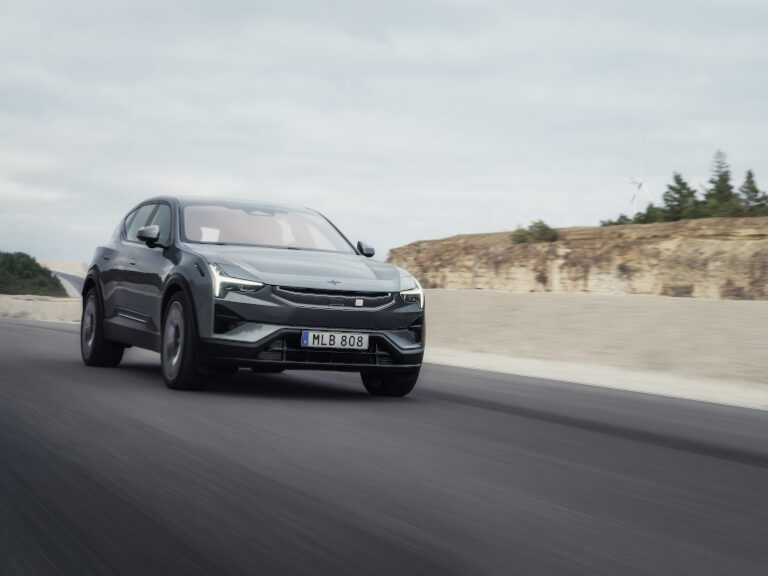
Polestar has confirmed Australian pricing and specifications for an upgraded version of the Polestar 3 electric SUV, introducing significant technical changes ahead of deliveries expected in mid-2026.
The most notable change is the move to an 800-volt electrical architecture, bringing the flagship model in line with newer high-performance EV platforms that support faster charging and improved efficiency. The updated system allows DC fast-charging speeds of up to 350kW, enabling a 10–80 per cent recharge in as little as 22 minutes under optimal conditions.
According to the company, the revised electrical architecture also delivers an efficiency improvement of up to six per cent on the WLTP cycle and supports new lithium-ion battery packs supplied by CATL. The entry-level rear-motor version uses a 92kWh battery, while the dual-motor and performance variants feature a larger 106kWh pack.
More power across the range
Alongside the electrical upgrade, the Polestar 3 receives a revised powertrain. A newly developed permanent magnet rear motor replaces the previous unit, paired with an asynchronous front motor in the all-wheel-drive versions.
Power outputs now range from 245kW in the rear-motor model through to 500kW in the Performance variant. Torque figures rise accordingly, with the top model producing up to 870Nm.
The front motor in dual-motor variants also features a disconnect function that automatically disengages when all-wheel drive is not required, which is designed to improve energy efficiency during normal driving.
Polestar says the changes also shift the power balance slightly towards the rear axle, accompanied by updates to the suspension hardware and steering software aimed at improving vehicle response.
Computing hardware upgrade
Another change is the introduction of a more powerful core computing system. The vehicle now uses the NVIDIA DRIVE AGX Orin processor, replacing the earlier Xavier unit.
Processing capability increases from roughly 30 trillion operations per second to 254 trillion, allowing faster handling of vehicle data and more complex management of safety systems and sensors.
Polestar has also indicated that existing Polestar 3 customers will be offered a complimentary hardware retrofit so their vehicles can receive the upgraded computing platform when it becomes available.
Simplified model structure
The updated Polestar 3 will be offered in three variants: Rear motor, Dual motor and Performance. This replaces the previous naming structure and aligns the models more clearly with their powertrain configuration.
In Australia, the Plus pack will now be standard across the range. The package includes features such as a head-up display, Bowers & Wilkins audio system with headrest speakers, soft-close doors and an advanced cabin air filtration system.
Other optional packages and features remain available, including a Climate pack with heated steering wheel and rear seats, dual-chamber air suspension, HD LED headlights and an electrochromic glass roof that can adjust its transparency electronically.
Australian pricing confirmed
Polestar Australia has set the following manufacturer list prices (excluding on-road costs):
- Polestar 3 Rear motor: $116,700
- Polestar 3 Dual motor: $131,100
- Polestar 3 Performance: $146,700
The company says the entry price represents a small reduction compared with the previous version while including additional standard equipment.
Implications for fleet buyers
For fleet and salary packaging markets, the Polestar 3 sits at the premium end of the electric SUV segment. However, improvements in charging speed and computing capability highlight how quickly EV technology is evolving between model years.
The shift to an 800-volt architecture in particular reflects a broader industry trend aimed at reducing charging times for larger battery vehicles. Faster charging can improve operational flexibility for organisations that rely on public infrastructure or operate vehicles across multiple shifts.
With deliveries expected to begin in Australia during 2026, the updated Polestar 3 will compete with other premium electric SUVs as manufacturers continue to refine charging performance, software capability and vehicle efficiency in the next phase of EV development.




