

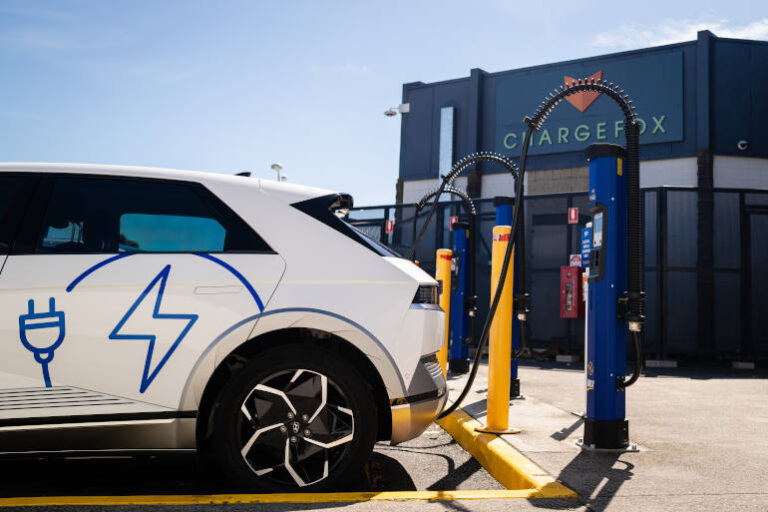
Electric vehicles are arriving in more fleets every month, but one big question remains: how will they be charged? The answer isn’t one single solution. Just like fuel cards give drivers access to different stations, EV charging will rely on a mix of options.
That’s where the Charging Pyramid comes in—a simple way to explain how an organisation plans to keep its EVs powered.
Three Ways to Charge
Fleets have three main options:
- Depot or onsite charging – Installing chargers at depots, offices or yards gives fleets control over costs, scheduling and uptime. Perfect for vehicles that return to base daily.
- Employee home charging – Ideal for take-home vehicles such as sales cars or inspectors. Home chargers and electricity reimbursements make it easy and convenient.
- Public charging – The most flexible option, especially for drivers covering long distances or working across wide geographies. As networks expand, some fleets may even make this the foundation of their strategy.
Choosing a Foundation
The power of the pyramid is that each organisation decides which option forms the base.
- A utility with a central depot might choose onsite charging as the foundation.
- A government department with hundreds of staff taking vehicles home may rely on home charging.
- A regional service fleet could put public charging at the base, supported by depot and home as needed.
The other two methods sit higher in the pyramid—used less often, but always available when required.
Why It Matters
The Charging Pyramid helps in three key ways:
- Clarity for drivers – Staff know where they’re expected to charge most of the time, and when exceptions apply.
- Confidence for executives – Leaders can see that EV transition plans are structured, not ad hoc.
- Cost control – By directing most charging through the cheapest or most reliable option, fleets avoid bill shock.
A Tool for Communication
Transitioning to EVs can be complex, but communication doesn’t need to be. The Charging Pyramid provides a clear, visual framework that explains to everyone—from drivers to the board—how charging will work day to day.
For Fleet Managers, it’s a simple tool that turns a technical challenge into an easy-to-understand plan.
- Leapmotor Turns Up the Performance with C10 AWD Sports+ Special Edition
 The performance electric SUV segment continues to expand in Australia, and the latest entrant brings a clear focus on value, technology and outright speed. The new Leapmotor C10 AWD Sports+ Special Edition arrives in April, adding a high-performance all-wheel-drive option to the growing C10 lineup and targeting drivers who want strong acceleration without stepping into traditional luxury
 - Polestar Hits 50% Recycled Cobalt Milestone in EV BatteriesPolestar has taken another step in strengthening the sustainability credentials of its electric vehicles, announcing that batteries used in the Polestar 2 and Polestar 3 now contain at least 50 per cent recycled cobalt. The move reflects a broader shift across the automotive industry towards circular supply chains and improved visibility of materials used in
- Škoda Turns Up the Voltage with High-Performance Enyaq RSŠkoda Australia has strengthened its electric vehicle line-up with the introduction of the new Enyaq RS and Enyaq Coupé RS—its most powerful production EVs to date. Designed to combine performance, long-range capability and everyday practicality, the new models signal a shift in how electric vehicles are being positioned for both private buyers and organisational fleets.
- Electric Trucks and Vans Available in AustraliaAustralia’s electric truck market continues to expand, with a growing number of models now available across light, medium and heavy vehicle segments. The latest update to the MOV3MENT Electric Truck Report (March 2026) provides one of the most comprehensive snapshots of the market, outlining the specifications and availability of battery-electric trucks and vans currently operating in
- JAC Hunter PHEV Promises Big Range and Low Fuel Use for Fleet Ute BuyersThe arrival of plug-in hybrid utes in Australia is creating new options for organisations that need to balance operational capability with emissions reduction and running cost pressures. The upcoming JAC Hunter PHEV is positioning itself squarely in that conversation, offering extended range and significantly reduced fuel consumption compared with traditional diesel utes. According to the