


Victorian councils are moving electric vehicles into mainstream fleet replacement programs, with new survey results showing strong demand for battery electric vehicles across passenger, light commercial and operational applications.
The 2026 Local Government EV Fleet Survey, completed by 29 Victorian councils during May and June, found that fleet electrification is increasingly being treated as an asset management and operational planning issue rather than a standalone environmental initiative.
While purchase price and vehicle capability remain significant constraints, the results suggest councils are becoming more confident in matching low-emission vehicles to suitable fleet applications.

Net-zero targets are shaping fleet plans
Eighty per cent of participating councils have adopted a formal net-zero target, with most aiming to achieve it well before 2050.
The most common target year is 2030, nominated by 40 per cent of respondents. A further 18 per cent are targeting 2035 and 22 per cent have selected 2040.
However, only 55 per cent of councils reported having a fleet transition plan that formally commits the organisation to EV adoption.
This gap highlights an important challenge for Fleet Managers and Sustainability Managers. Setting an emissions target does not automatically produce a workable fleet transition. Councils still need to understand vehicle usage, replacement timing, operational requirements, charging demand and infrastructure costs before committing to a long-term implementation pathway.
EVs are becoming part of normal replacement cycles
Low-emission vehicles are already widely represented across participating fleets.
The survey found that 82 per cent of councils operate a combination of hybrid and battery electric vehicles. Another 10 per cent operate hybrids only, while seven per cent operate battery electric vehicles without hybrids.
Battery electric vehicle adoption has moved beyond isolated trials:
- 55 per cent of councils operate between one and 10 BEVs.
- 21 per cent operate between 11 and 20.
- 17 per cent operate more than 20.
- Only seven per cent reported having no BEVs.
Hybrid vehicles remain an important part of the transition, particularly where electric models are unavailable or unable to meet operational requirements. Only 17 per cent of participating councils reported having no hybrids.
Plug-in hybrid electric vehicles remain less common. Almost half of respondents have no PHEVs, while 41 per cent operate between one and 10.
The results indicate that councils are using multiple technologies rather than pursuing a single powertrain strategy across every fleet category.
Strong demand expected over the next two years
More than three-quarters of participating councils expect to procure battery electric or plug-in hybrid vehicles within the next one to two years.
Most expect the transition to occur progressively through scheduled vehicle replacement:
- 63 per cent anticipate procuring between one and 10 BEVs or PHEVs.
- 30 per cent expect to purchase between 10 and 30.
Passenger vehicles remain the strongest opportunity for battery electric adoption, with 87 per cent of councils intending to purchase them.
Demand is also expanding into operational fleet categories. Sixty-five per cent expect to procure electric utilities, while 52 per cent are considering electric vans and small trucks.
Interest extends to larger and more specialised assets, including large trucks, buses and sweepers, although adoption in these categories is expected to be slower.
Plug-in hybrid utilities attracted the strongest interest among PHEV categories, with 44 per cent of respondents intending to procure them. This reflects the ongoing difficulty of electrifying vehicles that require longer range, towing capacity, payload or regional operating capability.
Operational suitability remains the deciding factor
Operational requirements were identified as the leading influence on EV procurement, nominated by 62 per cent of respondents.
Whole-of-life cost followed at 55 per cent, while access to charging infrastructure and emissions-reduction targets were each nominated by 52 per cent.
Purchase price influenced 45 per cent of respondents.
These findings show that councils are evaluating EVs across several dimensions. An emissions benefit alone is unlikely to justify a purchase where the vehicle cannot complete the required task, access reliable charging or deliver an acceptable whole-of-life cost.
Senior management commitment was nominated as an influence by 35 per cent of councils, compared with operational staff commitment at 14 per cent.
This suggests organisational support is improving, but successful implementation still depends on Fleet Managers developing a strong evidence base for each proposed vehicle replacement.
Price and vehicle capability remain the major barriers
Purchase price was identified as the largest barrier to wider EV adoption, nominated by 62 per cent of councils.
Operational requirements followed at 48 per cent, reflecting concerns about range, payload, towing capacity and the availability of vehicles suited to specialist council services.
Vehicle availability was identified by 24 per cent of respondents.
Charging infrastructure was nominated as a major barrier by only 17 per cent, which may indicate that councils are becoming more comfortable planning depot and workplace charging. It may also reflect the fact that the most difficult fleet applications are currently constrained by vehicle availability before charging becomes the primary issue.
The results suggest the main challenge is no longer convincing councils that fleet emissions should be reduced. The greater challenge is finding affordable vehicles that can perform the work required.
Transition planning will determine the pace of adoption
The survey shows that Victorian councils are entering a more structured phase of fleet electrification.
The next stage will require councils to connect emissions targets with asset replacement plans, operational data and infrastructure investment.
For Fleet Managers, this means identifying which vehicles can be replaced now, which applications require further trials and which may need hybrid, plug-in hybrid or conventional vehicles until suitable battery electric options become available.
For Sustainability Managers, the priority is ensuring fleet targets are realistic and supported by operational planning.
For Finance Managers, the transition will require a clear understanding of purchase cost, energy use, infrastructure expenditure, residual values and whole-of-life cost.
Councils that improve their fleet management maturity will be better positioned to make these decisions. A documented transition plan, accurate utilisation data and a long-term replacement forecast will allow EV procurement to be staged around operational need rather than driven solely by targets or short-term market availability.
The survey results show that local government fleet electrification is progressing. The issue is no longer whether councils will adopt electric vehicles, but how quickly they can build the planning, procurement and infrastructure capability needed to expand them across the fleet.
- Could concrete agitators be an EV sweet spot?
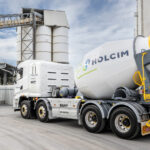
 Concrete agitators could become one of the more practical early applications for electric heavy trucks, with short operating distances, significant idle time and high fuel use creating a duty cycle that may suit battery-electric technology. Speaking with Fleet News Group at Everything Electric in Sydney, Brenton Sweeney, Sales Executive Commercial Vehicles and Equipment at Prancer
 - BYD ATTO 2 DM-i Plugs into Fleet DemandBYD’s ATTO 2 DM-i offers fleet buyers a compact plug-in hybrid SUV with up to 90 kilometres of claimed electric driving range, creating an option for organisations looking to electrify daily journeys while retaining petrol capability for longer trips. The five-seat, front-wheel-drive SUV comes in Essential and Premium variants, with different battery capacities and electric
- FREELANDER Takes on the Luxury SUV MarketFREELANDER will launch in Australia and New Zealand in 2027, bringing a new premium SUV brand developed by Chery and Jaguar Land Rover (JLR) into the local market. The FREELANDER 8 will lead the Australian launch, combining JLR-led British design with Chery’s electrified vehicle technology. Australian specifications, pricing and the detailed launch schedule will be
- First e VITARA Delivery Launches Suzuki’s Electric EraSuzuki Australia has delivered its first battery electric vehicle to an Australian customer, marking the start of local customer deliveries for the e VITARA and adding another option for fleets considering electric SUVs. The first vehicle, an e VITARA Motion, was collected by existing Vitara owner Nel Mary Davis from Pennant Hills Suzuki in early
- Tesla Model Y wins 2026 Novated Lease Car of the YearThe Tesla Model Y has been named the 2026 Fleet News Group Novated Lease Car of the Year, after recording the highest number of novated leases among NALSPA members. Unlike the other vehicle categories in the Fleet News Group Awards program, the Novated Lease Car of the Year was not decided by a judging panel or