


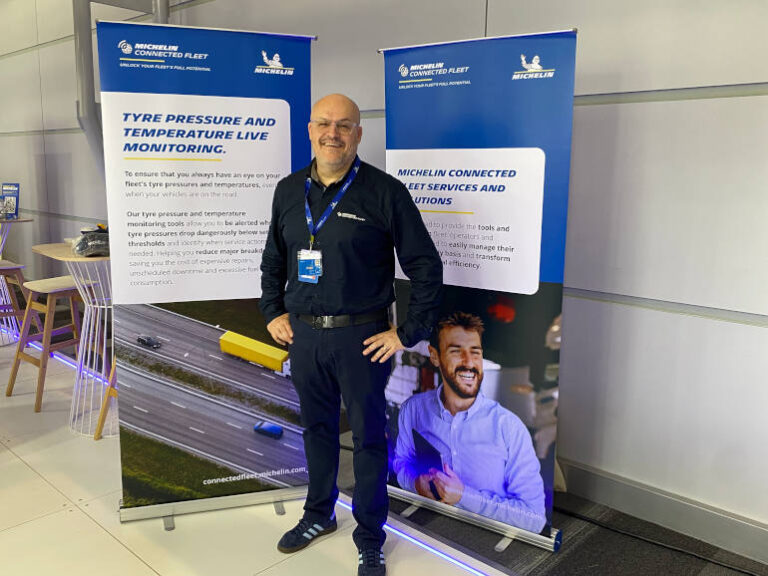
As electric vehicles (EVs) begin to enter more Australian transport fleets, safety and operational reliability are becoming hot topics — quite literally. With their heavy batteries, new thermal behaviours, and different maintenance cycles, electric trucks and vans introduce fresh challenges for operators and maintenance teams alike. That’s where Michelin Connected Fleet is stepping in with technology that goes beyond GPS tracking and fuel reporting.
Originally designed to monitor tyre pressure and temperature for trailers and trucks, Michelin’s connected solution is now helping fleets manage the unique risks that come with running electric vehicles — including early detection of potential fire risks.
Turning Tyre Heat Data Into Fire Prevention
Traditionally, Michelin Connected Fleet’s “Trailer Premium” solution helped prevent blowouts and brake fires by alerting fleet operators when temperatures on wheels or hubs exceeded safe thresholds. Now, that same capability is being repurposed to monitor the high-voltage systems and critical components in electric vehicles.
“Tyres and brakes are only the beginning,” says Franck Estoquié, Country Manager for Michelin Connected Fleet Australia. “In EVs, managing heat is even more critical — especially when you’re dealing with electric axles, charging cycles, and regenerative braking systems that introduce new thermal behaviours.”
Because EV batteries are highly sensitive to temperature fluctuations, the early warning systems originally designed to monitor tyre heat can also detect unusual thermal spikes in nearby hubs and driveline components — offering the potential for early detection of faults that could lead to battery fires.
“When the system picks up a temperature increase on an axle or bearing that’s out of the ordinary, the alert isn’t just about saving a tyre anymore,” Estoquié explains. “In an electric truck, it could be the first sign of an electrical fault or thermal runaway risk.”
Real-Time Alerts, Even While Charging
EVs don’t stop being vulnerable when they’re parked. Charging cycles — especially with DC fast chargers — can generate heat in vehicle systems, and high-voltage cabling can deteriorate without warning. Michelin’s solution monitors trailers and trucks not just while in motion but also during stationary charging periods, helping operators identify abnormalities before a vehicle even leaves the yard.
“We can monitor the exact time a vehicle enters and exits a charging zone, and track what happens to the vehicle’s components during that period,” says Estoquié. “This helps fleet managers create a full digital log of their EV’s operational health — not just a trip history, but a complete record of usage and safety events.”
Supporting EV Transition with Real Data
Beyond fire risk management, Michelin Connected Fleet offers practical tools to help fleet managers evaluate their readiness for electric vehicles. For light commercial vehicles (LCVs), the platform tracks routes, trip distances and stop-start patterns — creating a clear data set that shows which routes are EV-suitable.
“The first question fleet managers ask is: ‘Can I run electric on this route?’ We help answer that with data,” says Estoquié. “We connect to the vehicle and monitor usage just like fuel — except now we’re measuring battery state-of-charge, trip distance and time on route. It removes the guesswork.”
These insights allow operators to build a transition plan backed by evidence, not assumptions — and identify which vehicles and use cases are best suited to electrification.
Designed for Australia’s Conditions
Australia’s long distances, extreme temperatures and heavy freight loads make EV deployment more complex than in Europe or North America. That’s why Michelin Connected Fleet has localised its approach to suit the Australian market — with a focus on real-time monitoring, proactive maintenance, and heat detection.
“We’ve already seen the risks associated with fires in EVs and trailers — they’re dramatic, and they’re costly,” Estoquié says. “With this technology, we can act before it gets to that point.”
A Safer, Smarter Future for Electric Transport
Electric vehicles bring new opportunities for reducing emissions and running costs — but also new operational unknowns. With its heritage in safety, tyres and telematics, Michelin is uniquely positioned to help fleets adapt.
By repurposing its proven thermal alerting systems and real-time data analysis, Michelin Connected Fleet is giving fleet managers a smarter, safer way to transition to EVs — while reducing risks and improving uptime along the way.
As Estoquié puts it, “We’re not here to sell gadgets. We’re here to work with fleets and help them take the right steps, at the right time, based on real data. That’s what connected fleet management is all about — and that’s how we help you stay ahead.”