


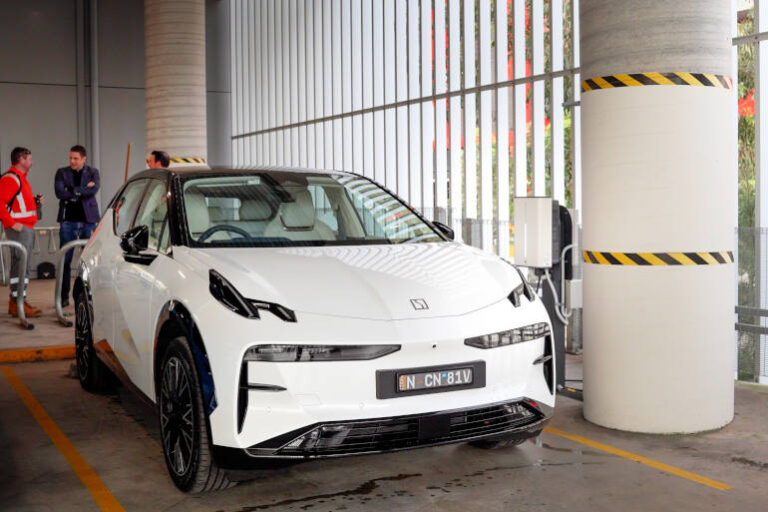
Ausgrid has taken a major step towards a smarter, more resilient energy grid by successfully connecting a Vehicle-to-Grid (V2G) system to its electricity network. This milestone opens new opportunities for electric vehicle (EV) owners to turn their cars into income-generating energy assets and for energy providers to better manage peak demand.
The initiative, launched on 1 July 2025, enables EVs to both draw power from the grid and discharge energy back into it. This two-way energy flow transforms EVs from simple transport tools into mobile batteries, capable of supporting the electricity grid during high-demand periods and helping to reduce the need for costly infrastructure upgrades.
Rob Amphlett Lewis, Ausgrid’s Group Executive Distributed Services, described the achievement as “an exciting milestone that unlocks new opportunities for customers and the grid”.
“We’ve done the foundational work to understand how to integrate this V2G technology safely and effectively and our customers can now begin to benefit,” he said.
“Customers can use their EV batteries to sell excess energy back to the grid during peak times and recharge at off-peak rates, creating an additional source of income. V2G transforms EVs into more than just a transportation tool—for customers that are interested, they can become income-generating assets and energy-management systems, enhancing the overall value and practicality of owning an EV.”
With a typical EV battery being around six times the capacity of an average home battery, the potential for energy storage and grid support is significant. For Fleet Managers and Sustainability Managers tasked with reducing emissions and lowering operating costs, V2G offers a practical and scalable solution.
Ausgrid’s Head of Customer Connections, Fatima Bazzi, highlighted the broader network benefits.
“This is a game-changer and we are excited to see how this technology will enable our customers to take a more active role in the energy ecosystem, turning their electric vehicles into a valuable resource that can support their homes and earn them income,” she said.
“V2G allows EVs to discharge energy back to the grid during periods of high demand, alleviating stress on the network and improving overall grid performance. This means we can better manage network stress, improve overall grid performance, and potentially defer costly infrastructure upgrades, ultimately benefiting all our customers.”
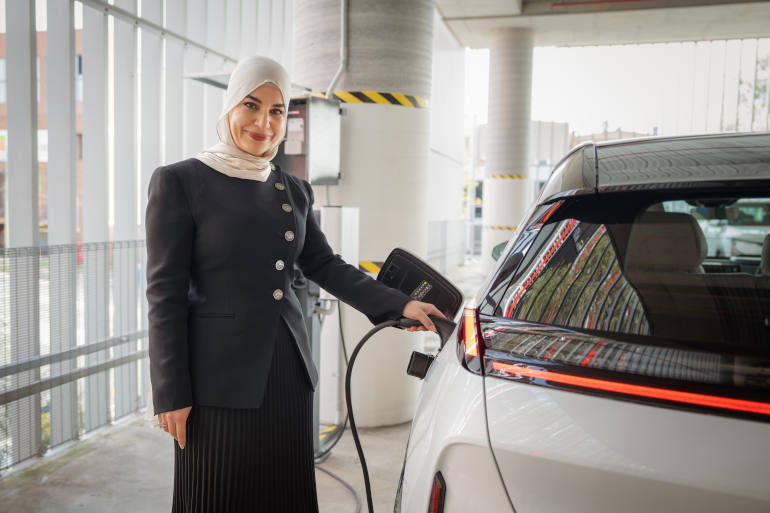
The launch of this V2G connection aligns with growing interest from organisations managing EV fleets to leverage EVs as part of broader energy strategies. For Finance Managers, the ability to generate income from assets that were previously cost centres could improve business cases for electrification.
Customers interested in V2G can now apply to install Clean Energy Council-approved bi-directional chargers through Ausgrid’s connections process.
Ausgrid says it remains committed to collaborating with customers, industry partners, and regulators to scale the benefits of EV charging and V2G technology. The company views EVs as an integral part of building a flexible, reliable, and sustainable energy system for New South Wales.
This development reinforces the potential of smart charging technology to accelerate Australia’s energy transition and offer financial returns to those investing in electric mobility. For fleets, the message is clear—EVs can now work double duty, helping to lower emissions and support the grid.