

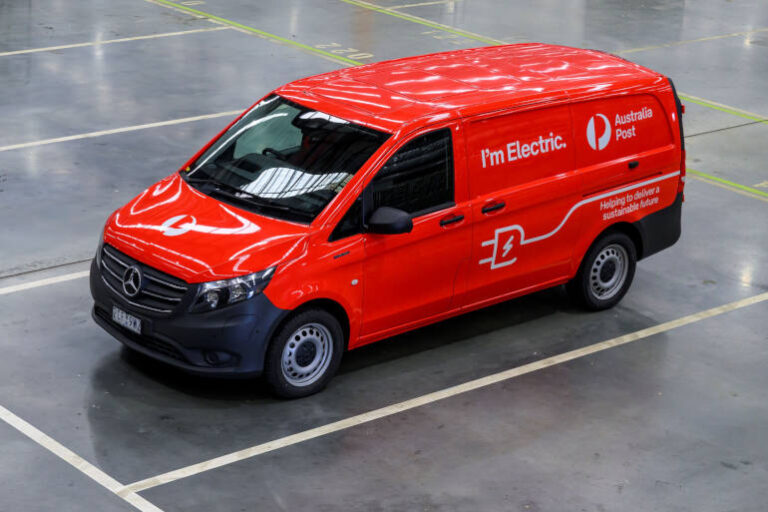
Australia Post is stepping up its commitment to sustainable transport with the launch of a new electric van pilot, marking the organisation’s largest trial of electric delivery vans to date.
From this month, 36 Mercedes-Benz eVito vans will join the Australia Post delivery network, operating across metropolitan areas where their stop-start efficiency is best suited to busy parcel runs. This initiative adds to Australia Post’s existing fleet of more than 5,000 electric vehicles, which already includes e-bikes and smaller delivery vehicles.
Chief Sustainability Officer Richard Pittard said the pilot represents an important milestone in the organisation’s broader decarbonisation efforts.
“The introduction of electric vans is an important milestone in our fleet electrification and decarbonisation strategy. With more Australians shopping online than ever before, we’re delivering more parcels every day and we know we need to find more sustainable ways to do it,” Mr Pittard said.
The vans will run on 100% renewable electricity through Australia Post’s charging network and produce zero tailpipe emissions, making them a natural fit for high-density urban deliveries.
Australia Post will also work closely with Mercedes-Benz to train staff and ensure a smooth transition to operating the new vehicles, highlighting the importance of workforce readiness in the move to low- and zero-emission fleets.
“This is our largest electric van trial to date. It’s a meaningful step forward as we continue building a modern, sustainable delivery network that meets the evolving needs of our customers while reducing our environmental impact,” Mr Pittard said.
The rollout over the coming months forms part of Australia Post’s broader strategy to reach Net Zero emissions by 2050. With parcel volumes continuing to grow on the back of eCommerce, the trial signals a strong focus on scaling up zero-emission vehicles to meet future delivery demands.
For fleet operators, this trial provides another real-world example of how electric light commercial vehicles can be integrated into large-scale logistics operations. It also underlines the importance of pairing vehicle trials with investment in charging infrastructure, training, and operational planning.
- BMW Confirms Electric iX5 for Australia
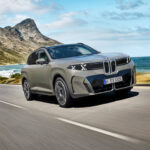
 BMW has confirmed the all-electric iX5 will join the new fifth-generation X5 range in Australia from the first quarter of 2027, extending one of the brand’s most established premium SUVs into battery-electric territory for the first time. The announcement comes as BMW Australia confirms pricing and specifications for the first versions of the new X5,
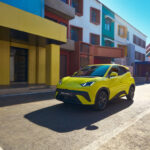
 - BYD ATTO 1 Brings Right-Sized EVs into FocusBYD is strengthening the case for compact electric vehicles in Australian fleets, with a new offer on the ATTO 1 Essential highlighting the potential role of smaller EVs in urban and metropolitan applications. The ATTO 1 is BYD’s compact electric hatch, offering up to 220km of driving range under the WLTP test cycle and targeting
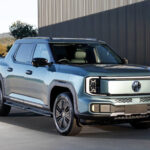
- MGU9 EV Gives Fleets Another Electric Ute to ConsiderAustralia will be the first market in the world to receive MG’s new all-electric MGU9 EV, giving fleet operators another option as manufacturers begin pushing battery-electric vehicles into the ute segment. MG Motor Australia says the MGU9 EV has been designed and tested for Australian conditions, combining dual-motor all-wheel drive with a 102.2kWh LFP battery,
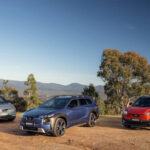
- Subaru Showcases Expanded Electric SUV RangeSubaru Australia showcased its largest electrified vehicle line-up at Everything Electric Sydney, highlighting how quickly the brand had expanded its battery-electric range. The display brought together the new Subaru Uncharted, Solterra and Trailseeker battery-electric SUVs alongside the Forester Strong Hybrid. Together, the four models gave fleet buyers a clearer view of Subaru’s multi-powertrain approach to
- Kia PV7 Brings More Van to the EV MarketKia is expanding its electric commercial vehicle strategy with the new PV7, a larger electric van designed to sit above the PV5 and target fleets requiring more payload, cargo capacity and operating range. Unveiled at IAA Transportation 2026 in Hannover, the PV7 is the second model in Kia’s dedicated Platform Beyond Vehicle (PBV) range and