


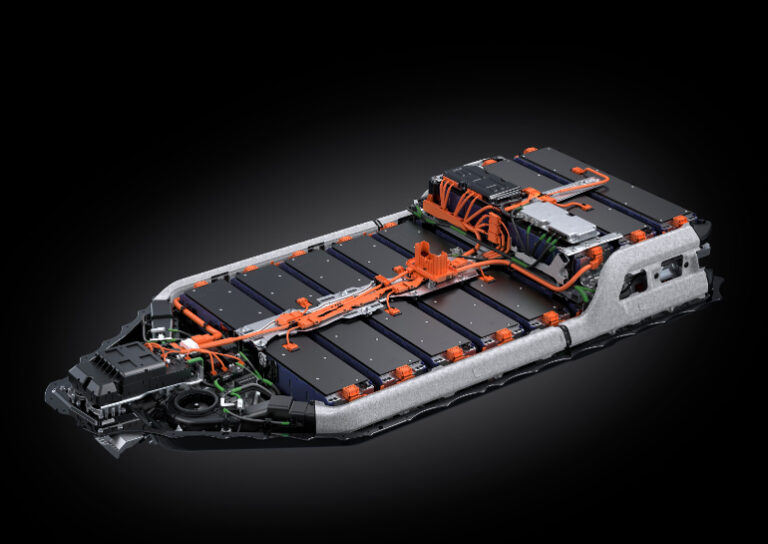
At the 2025 myPlates Industry Forum, Mike Costello, Corporate Affairs Manager at Cox Automotive Australia, highlighted a critical development that could change the trajectory of the used electric vehicle (EV) market: State of Health (SOH) battery testing.
As EV volumes grow in fleets and novated lease programs, resale confidence is a growing concern. According to Costello, the future success of the second-hand EV market — and by extension, whole-of-life fleet costs — may hinge on making battery health visible and verifiable.
The Battery Question Every Used EV Buyer is Asking
Costello explained why battery anxiety remains the biggest barrier to used EV adoption:
“The battery in an EV is about half the cost of the car — perhaps even more. If you’re up for a battery replacement after warranty, that’s $15,000 to $20,000. That’s going to stop someone from buying a seven or eight-year-old EV.”
For Fleet Managers and leasing companies, that’s a major risk. If the second-hand buyer can’t trust the battery, resale value plummets — regardless of how well the rest of the vehicle performs.
The Rise of SOH Testing
To address this, Manheim (a Cox Automotive company) is now working with Austrian technology firm Aviloo to bring fast, standardised battery testing to market.
“This is a test that plugs into the car’s OBD port,” said Costello. “In five minutes it emails you a report showing:
- What percentage of the battery’s original capacity is still available
- Whether there are any defective cells or modules
- And whether there’s a risk of future failure
For fleet disposal teams, this represents a breakthrough. It brings the used EV market closer to parity with ICE vehicles, where engine compression tests and service histories have long underpinned resale value.
Why SOH Certification Will Be Expected — and Soon
European data from Cox Automotive’s German operation reinforces the importance of SOH testing:
- 75% of used EV buyers expect a SOH certificate when purchasing from a dealer
- 80% say a SOH report makes a vehicle more trustworthy
- 55% of new EV intenders would consider a second-hand EV if it had a SOH report
- At auction, EVs with SOH reports attract 23% more bidders and enjoy a 15% higher clearance rate
This is not just a nice-to-have. It’s about buyer confidence, resale volume, and pricing power — all critical to fleet asset management.
Why This Matters to Fleet Managers
The influx of ex-lease and ex-fleet EVs is already underway. As Costello noted:
“A significant chunk of the 250,000 EVs on Australian roads are on a lease or part of a managed fleet. With turnover periods of 3–4 years, we’re about to see a massive influx of EVs entering the second-hand market.”
Without SOH testing, those EVs will face an uphill battle at auction — with many risk-averse buyers defaulting to ICE or hybrid vehicles instead.
Fleets that invest in SOH testing will have a major advantage when disposing of assets.
Time and Trust Will Build the Market
Costello made it clear: EV resale values today are likely at their lowest point, due to a perfect storm of price cuts, rapid tech change, and unknown battery condition.
But that will shift.
“We just need a lot of eight to ten-year-old EVs in the used market. When we start to see second-hand Tesla Model 3s from 2017–2018 trickle through with healthy batteries, that will improve confidence.”
Until then, battery SOH testing is a shortcut to trust — and a way for fleets to defend resale values.
What Should Fleets Do Now?
- Add SOH testing to your end-of-lease checklist
Ensure every EV leaving your fleet is tested and certified. - Incorporate SOH into disposal pricing models
An EV with a healthy battery should command a premium. - Engage leasing providers and remarketing partners
Ask how they’re integrating SOH testing into their process — and if they aren’t, why not? - Educate buyers and internal stakeholders
Use the SOH report to demonstrate vehicle quality to buyers, salary packaging clients, or internal procurement teams.
Mike Costello’s message was clear: battery health transparency is the key to unlocking value in used EVs. Without it, fleets risk losing thousands per vehicle on resale.
With it, EVs can become not only a sustainable choice — but also a financially sound one.
As the Australian used EV market matures, State of Health testing will become the new normal. Smart fleets will adopt it early — and reap the rewards.