


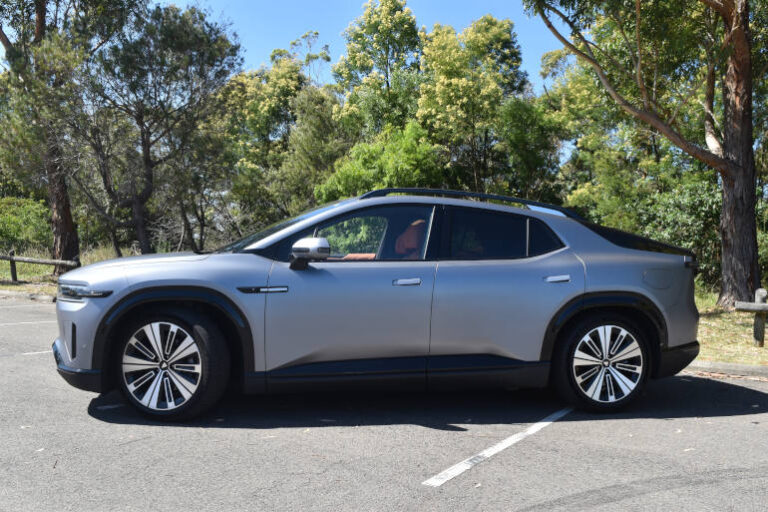
For fleets focused on electrification, most new EVs fall into familiar categories: medium SUV, large SUV, dual-cab ute (eventually), or light van. The Deepal E07 doesn’t neatly fit any of those boxes – and that’s exactly why it’s worth paying attention.
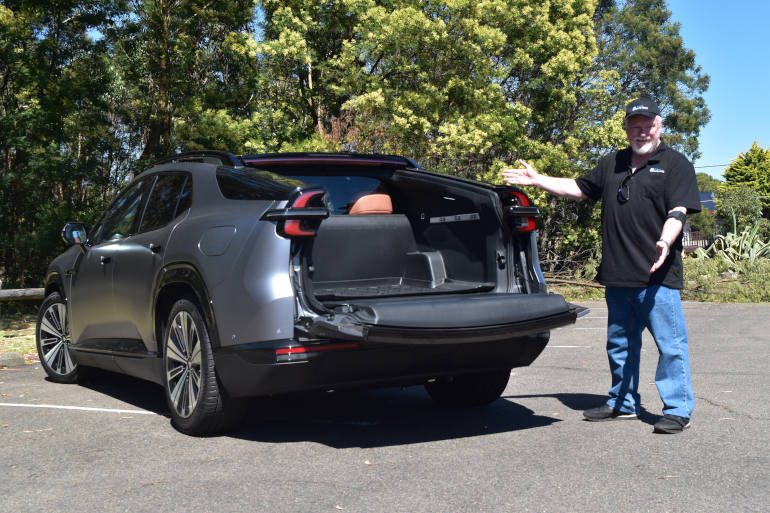
At first glance, the E07 looks like a large electric SUV. Spend five minutes with it, and it starts to behave more like a multi-purpose fleet tool. With a powered rear glass and tailgate system, the E07 can switch between a conventional SUV layout, a ute-style open load area, or an enclosed van-like cargo space. For organisations trying to reduce fleet complexity – or avoid running both an SUV and a light commercial vehicle – that flexibility is genuinely interesting.
Designed for versatility, not segments
With up to 1,654 litres of cargo space, a 300kg dynamic payload and a usable frunk, the E07 sits in an unusual middle ground. It’s not a replacement for a high-payload ute or a dedicated van, but for roles like project teams, technical specialists, facilities managers or regional managers who carry equipment occasionally, it could replace multiple vehicle types.
From a fleet efficiency perspective, fewer vehicle categories often means simpler policy settings, easier procurement and better utilisation.
Performance and range that won’t hold fleets back
The E07 is offered in rear-wheel drive and all-wheel drive Performance variants, both using an 89.98kWh battery. The RWD model prioritises range, with an estimated 640km (NEDC), while the AWD version delivers strong performance with 440kW and 645Nm, albeit with slightly reduced range.
Fast-charging capability of up to 240kW DC means a 30–80 per cent recharge in around 15 minutes, which aligns well with fleet expectations around downtime and route flexibility. AC charging is capped at 7kW, making workplace or overnight charging a practical fit.
Comfort, tech and safety for grey-fleet and novated use
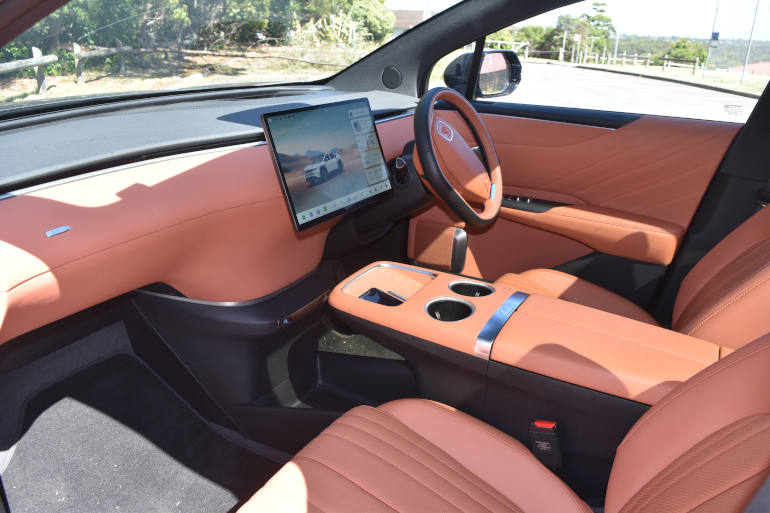
Inside, the E07 is firmly positioned at the premium end of the EV market. Heated, ventilated and massaging seats front and rear, a large rotating central screen, head-up display and a full suite of advanced driver assistance systems are all standard.
While the luxury positioning may push it outside traditional operational fleet budgets, it strengthens the E07’s case for novated leasing and grey-fleet replacement, particularly where employers are encouraging EV uptake without increasing cash allowances.
The reliance on touchscreen controls for most vehicle functions may divide opinion, but it aligns with the broader direction of EV interior design and digital user interfaces.
Where it fits
The Deepal E07 isn’t a one-size-fits-all fleet solution – and it doesn’t try to be. Its strongest use case is for fleets looking to electrify roles that sit between passenger and light commercial needs, or for organisations wanting to give employees a compelling EV option under novated leasing arrangements.
The E07 is a reminder that electrification isn’t just about swapping drivetrains. It’s also an opportunity to rethink vehicle roles, utilisation and policy design. In that context, the Deepal E07 isn’t just different – it’s strategically interesting.