


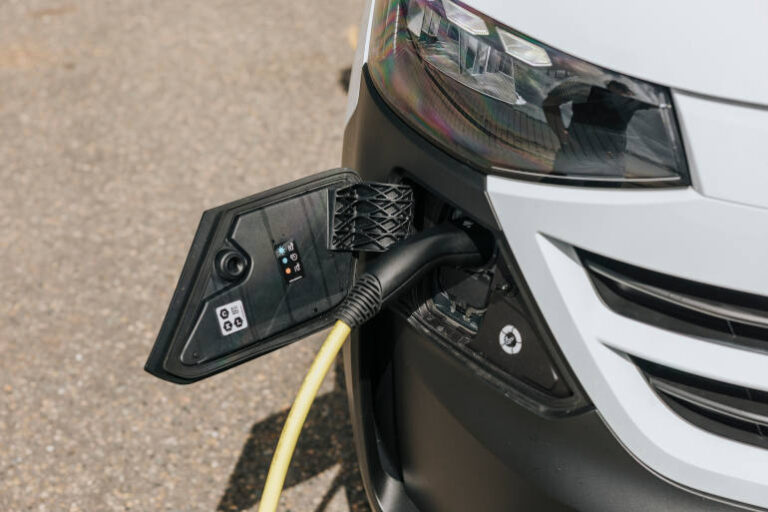
For many organisations considering electric vehicles, the biggest concern is often the vehicle itself. Questions about range, cost and model availability tend to dominate early discussions.
But once fleets begin the transition, the real operational challenges quickly become clear. Charging infrastructure and data management are emerging as two of the most complex parts of running an electric fleet.
Unlike petrol or diesel vehicles, where refuelling is straightforward and data is captured through fuel cards, EV charging can occur in multiple locations. Vehicles may charge at home, at public fast chargers or at workplace depots, creating a much more complex ecosystem to manage.
Charlie McIntyre from Origin Zero said charging logistics is one of the biggest barriers preventing fleets from starting their EV journey.
“A lot of people hold back from starting a trial because they’re concerned about how they charge their cars,” said McIntyre. “They ask questions like: how do I reimburse employees who charge at home, how do I manage public charging, and how do I keep it simple from an administration perspective?”

For fleets used to the simplicity of fuel cards, the fragmentation of EV charging networks can create operational headaches.
To address this issue, Origin Zero has developed a system designed to consolidate charging across multiple networks into a single billing platform.
“We’ve partnered with several of the major charging networks so we can aggregate charging into one bill,” McIntyre explained. “Drivers can use an RFID card or the Origin app at around 65 per cent of the fast charging network, and the cost comes back to the employer through a single invoice.”
This approach effectively replicates the familiar fuel card model for EVs.
“It’s kind of like a fuel card, but for electric vehicles,” he said.
Home charging presents another challenge. With most EV charging taking place at home, fleets need a way to ensure drivers are reimbursed accurately without creating administrative complexity.
“About 70 to 80 per cent of charging is done at home if a driver has access to a charger,” McIntyre said.
To solve this, Origin Zero installs connected home chargers that measure electricity consumption and automatically reimburse the employee for charging.
“We can remotely detect what power is going through the charger, reimburse the driver, and then aggregate that cost onto the fleet bill,” he said.
This system ensures drivers are not out of pocket while maintaining cost visibility for the employer.
But charging infrastructure is only part of the challenge. Fleets also rely heavily on operational data to manage vehicles effectively, and EVs introduce new gaps in the data they traditionally depend on.
With petrol or diesel vehicles, fuel card transactions capture odometer readings every time a driver fills up. That data supports reporting on vehicle utilisation, maintenance scheduling and fuel efficiency.
EV charging systems do not automatically capture that same information.
“With EVs you lose that odometer input because drivers aren’t entering their mileage when they charge,” McIntyre explained.
To address this issue, Origin Zero has introduced a solution that remotely tracks vehicle odometer readings using manufacturer data rather than physical telematics devices.
“We’ve found a cost-effective way to remotely track the odometer of a car without installing hardware,” he said. “It’s included in the price of the lease and allows us to capture the mileage data fleets need.”
The data can then be integrated with charging information to produce detailed fleet reports.
“That means we can show the cost of charging, where charging is happening, and how vehicles are being used,” McIntyre said.
According to Adam Aslam from Origin Zero, maintaining this visibility is essential for Fleet Managers transitioning to EVs.
“Fleet customers are used to having detailed reporting from fuel card data,” said Aslam. “When you move to electric vehicles, you don’t want to lose that line of sight over how vehicles are being operated or what they cost to run.”
By consolidating charging data from home, public and depot charging, fleets can maintain the same operational oversight they had with traditional fuel systems.
“We’re keeping that information centralised so Fleet Managers can still see how their vehicles are being powered, where they’re being charged and what the cost per kilometre looks like,” Aslam said.
The result is a new data ecosystem that allows organisations to manage electric fleets with the same level of operational control as traditional vehicles.
For fleets beginning the electrification journey, this shift highlights an important reality. The challenge is no longer just choosing the right electric vehicle.
Successfully running an electric fleet depends on building the systems that support it — from charging infrastructure to data visibility — so organisations can manage vehicles, costs and drivers with confidence.