

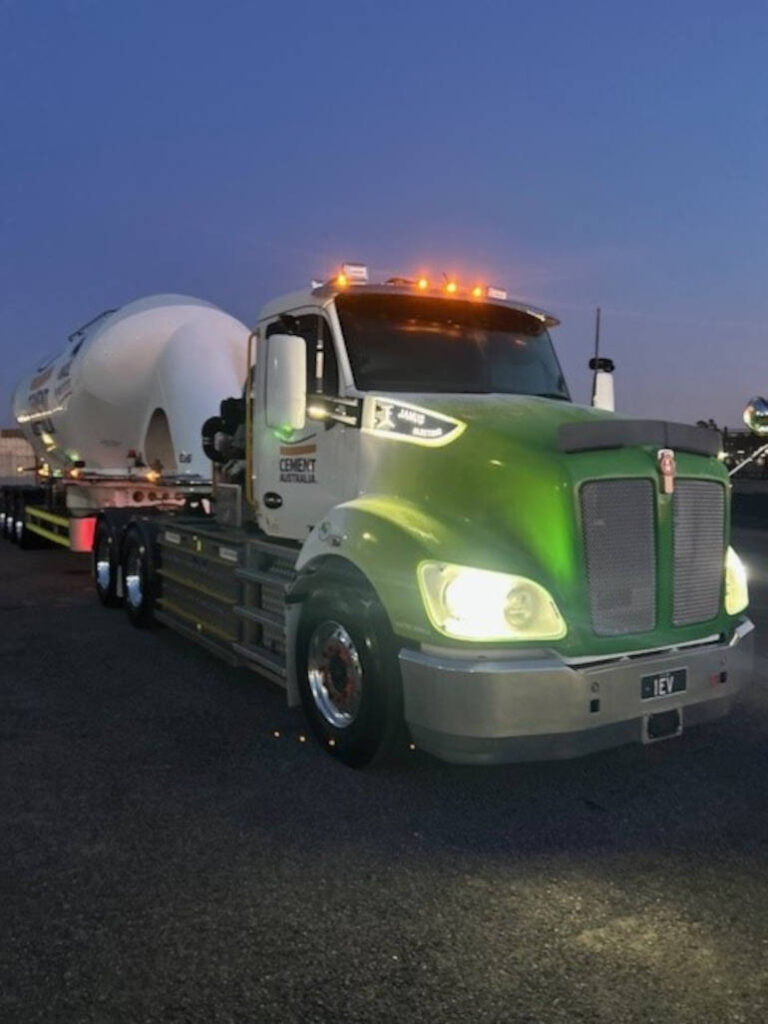
Electrifying Australia’s heavy freight fleet may be far more achievable—and far sooner—than many fleet operators expect, with new analysis suggesting the transition could be delivered within years rather than decades.
Research from Janus Electric highlights a practical pathway for Fleet Managers to integrate electrification into existing maintenance cycles, rather than relying on full vehicle replacement programs.
Electrification through lifecycle planning
Australia’s heavy freight task is supported by more than 128,000 articulated trucks, with engines typically replaced every five to ten years. This creates a rolling opportunity across the fleet, with approximately 20% of vehicles undergoing engine replacement annually.
The analysis suggests that if electric drivetrains were installed during these routine replacement cycles, the national heavy truck fleet could theoretically transition to electric power within around five years.
For organisations with limited fleet management maturity, this is a critical insight. Electrification does not need to begin with new vehicle procurement—it can be embedded into existing asset lifecycle strategies.
Lower cost pathway for Finance Managers
Cost remains one of the biggest barriers to heavy vehicle electrification, particularly when comparing diesel trucks to new battery electric models.
However, the analysis outlines a different cost equation:
- Diesel engine replacement: approximately $100,000
- Electric drivetrain conversion: approximately $175,000
- New electric truck: typically two to two-and-a-half times the cost of diesel
While conversion is more expensive than a standard engine rebuild, it is significantly cheaper than purchasing a new electric truck. More importantly, converted vehicles are expected to deliver up to 30% lower lifetime operating costs, largely due to eliminating diesel fuel consumption.
For Finance Managers, this reframes electrification as a whole-of-life cost decision rather than a high upfront capital investment.
Reducing exposure to diesel volatility
Heavy freight vehicles account for around 30% of Australia’s diesel consumption—approximately 10 billion litres annually. At the same time, Australia imports roughly 80% of its refined fuel, exposing supply chains to global disruptions and price volatility.
Electrifying the freight sector could significantly reduce this dependence, helping organisations stabilise operating costs while improving supply chain resilience.
With the national freight task expected to grow by around 35% by 2040, the pressure on diesel demand—and associated emissions—will only increase without intervention.
Battery swap model addresses downtime concerns
Charging infrastructure and vehicle downtime have been persistent challenges for fleets considering electric trucks.
The Janus Electric model uses battery swap technology, allowing trucks to exchange batteries in approximately four minutes. This approach removes the need for long charging stops and aligns more closely with linehaul freight operations.
Instead of depot-based charging strategies, this model relies on infrastructure along major freight corridors, enabling continuous operation across long distances.
Proven in real-world operations
The technology is already being deployed in commercial settings, with converted trucks having travelled more than 600,000 kilometres and completed over 3,500 battery swaps.
Conversion can be completed in around six days, providing a practical pathway for fleets to transition vehicles without extended downtime or major operational disruption.
Emissions and sustainability outcomes
Transport produces more than 100 million tonnes of emissions annually in Australia, making it one of the largest contributors to greenhouse gases.
Electrifying heavy freight offers a significant opportunity to reduce emissions in one of the most energy-intensive sectors, while also improving energy efficiency across freight operations.
For Sustainability Managers, the ability to accelerate emissions reduction without waiting for full fleet replacement provides a more immediate pathway to achieving organisational targets.
Policy will determine the pace
According to Ben Hutt, CEO of Janus Electric, the key barrier is no longer technology—it is policy alignment.
The company has identified three areas that could accelerate adoption:
- Incentives for fleets to convert trucks during engine replacement cycles
- Co-investment in battery swap infrastructure along major freight corridors
- A national electrified freight corridor strategy
With targeted support, the transition could occur within a single-digit number of years, challenging long-held assumptions about the timeline for heavy vehicle electrification.
What this means for fleet operators
For Fleet Managers, the message is clear: electrification can be aligned with existing decisions rather than treated as a separate, large-scale transformation.
By improving fleet management maturity—particularly in lifecycle planning, utilisation analysis and cost modelling—organisations can identify where conversion strategies make operational and financial sense.
The transition to low and zero emission vehicles in heavy freight may not depend on waiting for the next generation of trucks, but on making better use of the assets already in operation.