

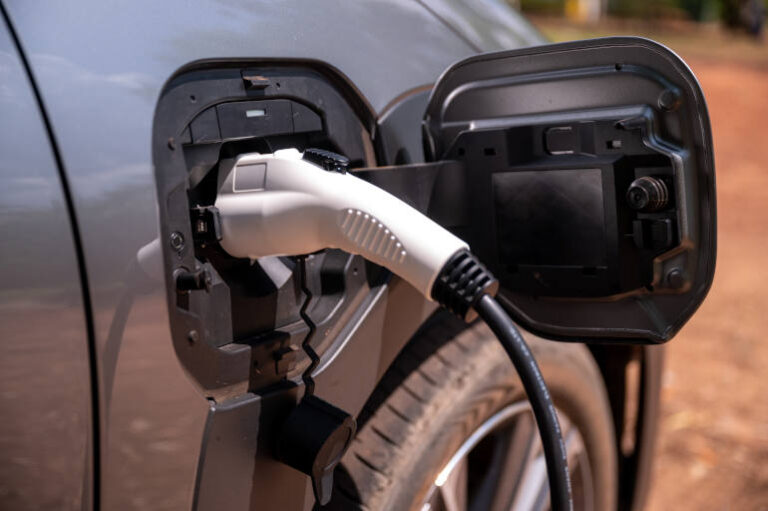
The Motor Traders’ Association of NSW (MTA NSW) is calling for a constructive, evidence-based approach to new licensing reforms for electric vehicle (EV) servicing in New South Wales, saying the measures are practical, proportionate, and already supported by industry.
Targeted reforms, not a blanket mandate
Under the NSW Government’s proposal, technicians who choose to work directly on high-voltage battery electric vehicles (BEVs) will be required to complete targeted training. Importantly, these reforms do not apply to all automotive technicians and will not disrupt routine servicing of vehicles.
Stavros Yallouridis, CEO of MTA NSW, said the focus was on safety and professional standards.
“This is not a blanket mandate. It’s a targeted, practical policy aimed at protecting workers and the public. It recognises the very real risks posed by high-voltage EV systems and the responsibility we all share to manage those risks professionally and safely.”
Safety at the centre
MTA NSW has been preparing for this shift for years. The organisation has already trained more than 800 tradespeople in EV systems and currently supports over 2,200 apprentices. Yallouridis said the industry is embracing the transition.
“We’ve been delivering EV training for years. We know what’s involved, and we know the demand is real. Safety is not negotiable, and professional standards matter.”
The licensing framework will be overseen by Licensing NSW, a regulator with a long-standing role in maintaining industry standards. To support small businesses and regional workshops, MTA NSW has also advocated for a three-year transition period, with government funding to ensure fair and timely access to the required training.
Cutting through the confusion
In recent weeks, some commentary has suggested the reforms represent widespread retraining for all mechanics. Yallouridis stressed this was not the case.
“It’s disappointing to see confusion being sown about what’s actually being proposed. The reality is: most businesses, members, and customers agree with the principle of requiring specialised training where it’s needed.”
What this means for fleets
For Fleet Managers, the reforms offer reassurance that any workshop servicing high-voltage EVs will be working under consistent safety and licensing standards. This is increasingly important as organisations accelerate EV adoption in line with sustainability and emissions targets.
By formalising specialised training, the NSW Government is reducing risk for employers, employees, and customers alike. For Finance Managers, it means greater certainty around service contracts and insurance implications. For Sustainability Managers, it reinforces confidence that EV servicing is being handled safely and professionally, helping to support broader transition plans.
A future-ready workforce
MTA NSW believes the staged rollout is the right approach to prepare the industry for future technologies while maintaining confidence in the workforce.
“This is a sensible, staged approach. With proper collaboration, we can build confidence in the reforms, reduce misinformation, and support a skilled and future-ready workforce,” Yallouridis said.
MTA NSW has committed to working closely with the NSW Government and other stakeholders to ensure the reforms strengthen public safety, support technical excellence, and underpin the long-term sustainability of the automotive industry.