


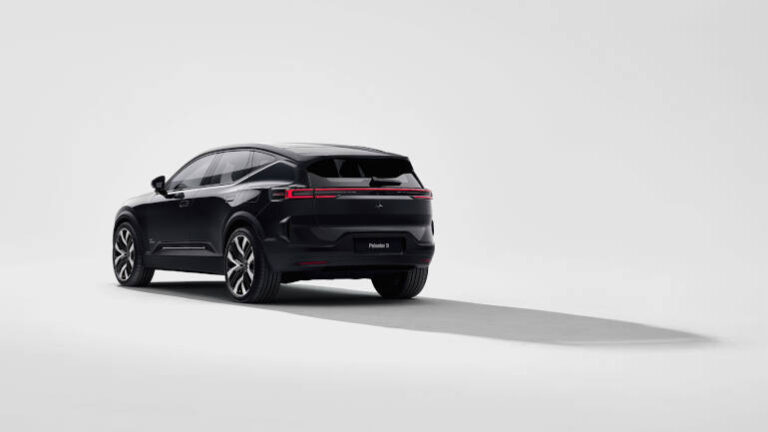
Polestar has opened 2026 with steady global growth and a stronger performance in Australia, signalling continued momentum for the electric vehicle brand as it expands its retail footprint and prepares to introduce new models.
The company reported estimated global retail sales of 13,126 vehicles in the first quarter of 2026, representing a 7 per cent increase compared to 12,263 vehicles delivered in the same period last year. It is the highest first-quarter sales result in the brand’s history.
In Australia, Polestar delivered 465 vehicles during Q1 2026, representing growth of 19.5 per cent compared to 2025. The local result positions Australia as one of the stronger-performing markets globally during the quarter.
For organisations planning to transition fleets to low and zero emission vehicles, the result provides another signal that the EV market continues to mature, with more established brands building scale, support networks and product pipelines.
Australia named as a key growth market
Polestar Australia Managing Director Scott Maynard said the local business had entered the year with strong demand and growing interest from customers.
“We’re excited to have started 2026 strongly in Australia, but there’s much more to come for Polestar,” said Maynard.
“With record order volumes, strong traffic to our showrooms, and exciting new products on the way, this is only the start.”
The reference to record order volumes and showroom traffic is particularly relevant for Fleet Managers and Sustainability Managers monitoring market readiness. Demand indicators such as these often translate into improved vehicle availability, stronger resale confidence and greater supplier stability — all important factors in fleet procurement decisions.
Australia was specifically identified by the global business as a market delivering strong performance, alongside Germany, Sweden, South Korea and the United Kingdom.
Network expansion supports long-term fleet confidence
A key driver of Polestar’s growth strategy is the rapid expansion of its retail network. The company reported that 230 retail sales points are currently in operation globally, compared to 154 at the end of Q1 2025 — representing growth of 50 per cent in just 12 months.
Polestar plans to continue that expansion through the remainder of 2026, targeting approximately 250 sales points by the end of the year.
For fleet buyers, the size and stability of a manufacturer’s retail and service network remains a critical consideration. Organisations with a low level of fleet management maturity often focus on vehicle price or specifications, but more experienced Fleet Managers understand that support infrastructure, service capability and brand longevity are essential components of whole-of-life cost.
As more retail locations open and the brand becomes more visible in the market, confidence typically increases among procurement teams, finance departments and risk managers responsible for approving new vehicle technologies.
Resilience in a challenging global environment
Polestar CEO Michael Lohscheller said the company’s performance reflected both strong execution and resilience in a more complex operating environment.
“Following a record 2025, we’ve delivered our highest-ever first-quarter retail sales figure of 13,126 cars,” said Lohscheller.
“Growth compared to the first quarter last year totalled 7%, with a strong performance in key markets such as Australia, Germany, Sweden, South Korea and the UK, testament to the hard work of our teams and our established brand position.
“Our performance in the first quarter has shown resilience, with market conditions becoming more challenging, amid ongoing geopolitical developments.”
That acknowledgement of market headwinds is consistent with broader industry trends. Many fleet operators are facing rising costs, supply chain uncertainty and increasing pressure to reduce emissions at the same time.
What this means for fleet planning in 2026
For Fleet Managers and Finance Managers, Polestar’s Q1 performance is less about short-term sales figures and more about market confidence.
Growth in vehicle deliveries, expanding retail networks and increasing customer demand all point to a maturing EV ecosystem. That maturity reduces risk for organisations considering the transition to electric vehicles, particularly when combined with improving product availability and stronger manufacturer support.
Fleet management maturity plays a critical role in this decision-making process. Organisations that have clear utilisation data, replacement strategies and emissions reduction targets are better positioned to evaluate when and where EVs can be introduced into the fleet.
Polestar’s continued growth in Australia suggests the brand is moving beyond early adoption and into mainstream consideration for both novated lease programs and operational fleets.
With new products expected to arrive and the retail network continuing to expand, 2026 is shaping up as another important year for organisations planning the next stage of their fleet decarbonisation journey.