


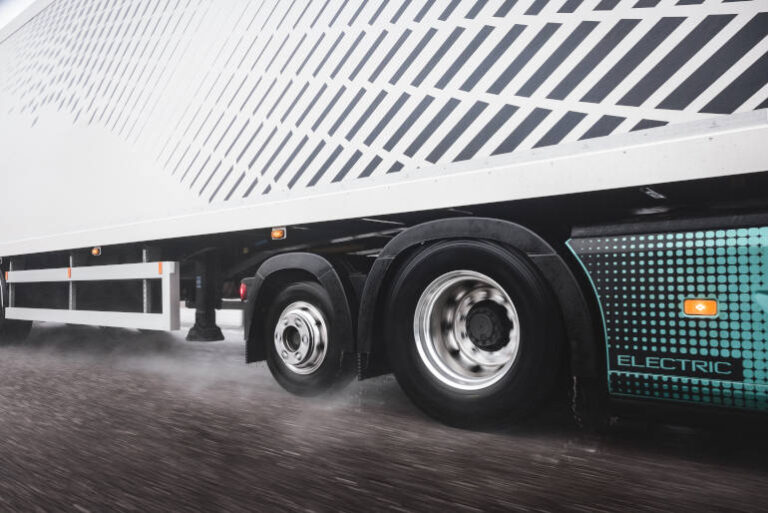
Australia’s transition to lower-emissions freight received a significant boost in December, with the Clean Energy Finance Corporation (CEFC) partnering with Volvo Group on a $70 million financing package aimed at accelerating the uptake of battery electric trucks across Australian fleets.
The initiative directly targets one of the biggest challenges facing Fleet Managers and Finance Managers: the upfront cost and financial risk associated with heavy-duty battery electric vehicles (BEVs).
What the financing package means for fleets
The CEFC funding focuses on medium and heavy-duty battery electric trucks, supporting both vehicles and the infrastructure required to operate them. Key features of the package include:
- Interest rate discounts of up to 0.5 per cent for eligible Volvo customers leasing medium and heavy battery electric trucks
- Finance support for EV charging infrastructure, reducing the capital hurdle associated with depot electrification
- Residual value support mechanisms designed to lower operating lease costs and address uncertainty around the future value of electric trucks
For organisations with low fleet management maturity, these measures help reduce perceived risk and make it easier to move from strategy discussions to real-world deployment.
Tackling transport emissions at scale
Transport is Australia’s fastest-growing source of emissions and is expected to become the country’s largest emissions contributor by 2030. Heavy vehicles play a critical role in freight and logistics, yet zero and low-emissions trucks can currently cost two to four times more than diesel equivalents, creating a major barrier for fleet adoption.
CEFC Executive Director Richard Lovell said the program demonstrates how fleet operators, manufacturers and financiers can work together to accelerate electrification by sharing risk and lowering the financial premium associated with new technology.
Supporting local manufacturing and fleet confidence
As part of the broader announcement, Volvo Group Australia confirmed its commitment to manufacturing electric trucks at its Wacol facility in Queensland, reinforcing long-term confidence in local supply, support and capability.
Volvo Group Australia President and CEO Martin Merrick acknowledged that cost remains a key hurdle for many customers looking to take their first steps into electric transport, particularly in heavy-duty applications.
From a financing perspective, Volvo Financial Services said the program is designed to make the transition more affordable and enable more customers to begin moving toward lower-emission freight operations.
A practical step forward for fleet decision-makers
For Fleet Managers, Sustainability Managers and Finance Managers, this announcement is less about vehicle technology and more about reducing financial and operational risk. By addressing interest rates, residual values and charging infrastructure costs, the CEFC–Volvo partnership removes several barriers that commonly delay electric truck adoption.
As organisations improve their fleet data, whole-of-life cost modelling and planning maturity, initiatives like this provide a clearer, lower-risk pathway to trial and scale battery electric trucks within Australian fleets—moving heavy vehicle electrification from concept to commercial reality.