


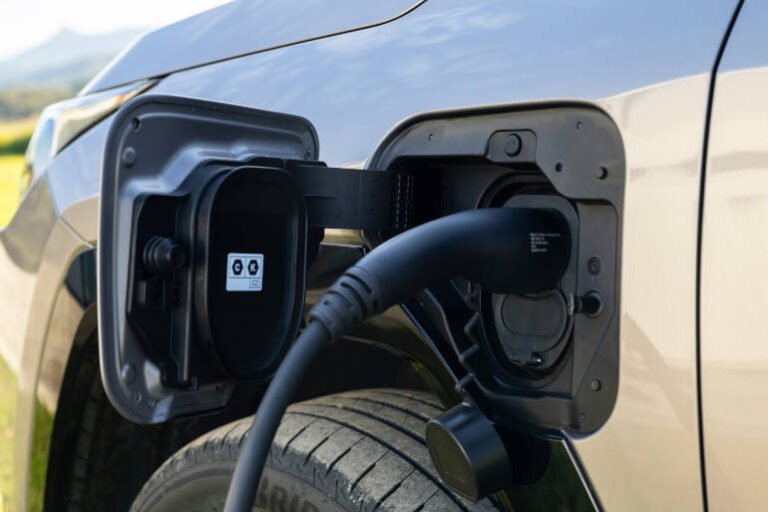
Toyota says feedback from fleet customers has helped shape the expansion of its RAV4 plug-in hybrid range, with a new GXL two-wheel drive variant intended to attract more business buyers.
The additional grade comes as plug-in hybrids account for around 30% of RAV4 order intake, reaching the proportion Toyota had expected to achieve after 12 months.
Speaking to Fleet News Group, Toyota Vice President of Sales, Marketing and Franchise Operations John Pappas said the new variant responded to fleet demand for an entry grade in the plug-in hybrid line-up.
“So that’s where we thought we need that entry grade to get more fleet customers supported, so that’s where we hope to see that growth.”
For Fleet Managers considering changes to their passenger and SUV fleets, the development adds another option to assess against operational requirements, charging access and whole-of-life costs.

Fleet requirements influence the range
The RAV4 GXL two-wheel drive PHEV becomes the fourth plug-in hybrid variant in Toyota’s Australian RAV4 range.
Pappas said Toyota had received strong interest in the GR specification, but identified the additional entry grade as the opportunity to support more fleet customers.
That distinction matters when interpreting the early demand. The overall popularity of a powertrain does not necessarily indicate how well the available grades meet fleet procurement requirements.
Equipment levels, vehicle allocation policies and operating costs can all influence whether a model makes it onto an organisation’s purchasing list. Toyota’s response suggests fleet customer feedback is helping determine how it broadens the range.
Pappas did not provide a breakdown of RAV4 PHEV orders between private and fleet buyers.
Plug-in orders reach the expected mix early
Toyota says demand for the RAV4 PHEV has reached its anticipated share of orders sooner than planned.
“We were planning for the PHEV after 12 months to be at around 30% of the mix, and we’re already there now in terms of orders,” Pappas said.
The figure relates to order intake rather than completed deliveries. It also covers RAV4 customers overall, rather than fleet purchases specifically.
Pappas said customer feedback on the plug-in hybrid had been positive, with Toyota looking forward to a full year of availability in 2027 following the staggered introduction of the new RAV4 range and its PHEV variants.
He also expects growing familiarity with plug-in technology to support demand, particularly among customers who already have experience with conventional hybrids.
For fleets, that familiarity is a starting point. A plug-in hybrid introduces charging into the operating routine, so vehicle selection needs to include how drivers will access charging and how the organisation will monitor its use.
Battery electric sales also build
The RAV4 development sits alongside growth in Toyota’s battery electric range.
At its business update, Toyota reported combined September sales of 410 vehicles across the bZ4X SUV and Touring, its highest monthly result for the family. Pappas said the company remained on track for approximately 5,000 sales across the two models in 2026.
Toyota also reported that year-to-date bZ4X family sales were nearly five times higher than at the same point last year.
Pappas said additional supply was coming through after a backlog developed following the fuel price spike.
The next planned addition is the C-HR BEV, expected in mid-2027. Toyota describes it as its fourth fully electric model, further expanding the choices available to customers considering battery electric vehicles.
Electric HiLux targets specific fleet applications
Toyota’s electric vehicle plans also extend into commercial fleets, although the HiLux BEV is being positioned for a more targeted market.
Pappas said the model remained on a sales plan of around 500 vehicles for 2026, with mining and construction among the intended customer applications.
At the same time, he said diesel HiLux demand remained strong among fleets requiring that vehicle’s capability.
The contrast illustrates why fleet transition plans need to account for different tasks within the same organisation. A passenger SUV, a site vehicle and a ute travelling between regional locations can have different operating requirements and charging opportunities.
For the RAV4 PHEV, the new GXL two-wheel drive grade addresses the choice of vehicle specification. Fleet buyers will still need to establish whether the powertrain suits the job—and whether charging can become a consistent part of its daily use.