


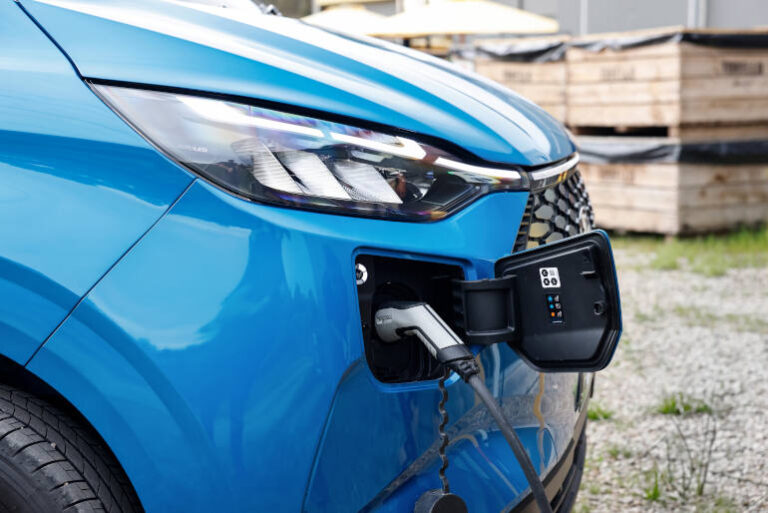
Planning EV charging should start with understanding how the fleet operates, not with choosing charger hardware.
The first step is to identify how many kilometres each vehicle travels per day. This should include normal daily use, high-use days, seasonal peaks and any vehicles with irregular operating patterns.
Once daily kilometres are understood, convert this into daily energy demand using the expected energy consumption of each asset type. For example:
| Asset type | Indicative energy use |
|---|---|
| Small car | 15 kWh per 100 km |
| Large SUV | 20 kWh per 100 km |
| Truck | 40 kWh per 100 km |
This allows the organisation to estimate how much electricity needs to be returned to each vehicle every day.
The next key consideration is vehicle dwell time. This is the time the vehicle is parked and available to charge, such as from 5pm to 7am. Longer dwell times may support slower AC charging, while shorter dwell times or high-use vehicles may require DC charging.
Fleets also need to understand the difference between AC and DC charging. AC charging is generally suited to vehicles parked for longer periods, especially overnight. DC charging is more suitable for vehicles with larger batteries, higher daily kilometres, limited downtime, or a need for quick turnaround charging.
Charging infrastructure should also be linked to the organisation’s 10-year fleet replacement plan. The first few EVs may be easy to support, but energy demand will increase as more vehicles are replaced. Planning ahead helps ensure electrical infrastructure, charger locations and site capacity can grow with the fleet.
Other important considerations include site electrical capacity, smart charging, future fleet growth, public charging access, energy tariffs, solar and battery integration, and operational risk if vehicles are not charged when needed.
In simple terms, the planning sequence is:
- Understand kilometres travelled per day.
- Convert kilometres into energy required.
- Identify when and where vehicles are parked.
- Calculate available dwell time.
- Match charging speed to operational need.
- Decide the right mix of AC and DC chargers.
- Plan infrastructure around the 10-year replacement program.
The aim is not to install the fastest chargers possible. The aim is to make sure each vehicle has the energy it needs, when it needs it, at the lowest practical cost.