

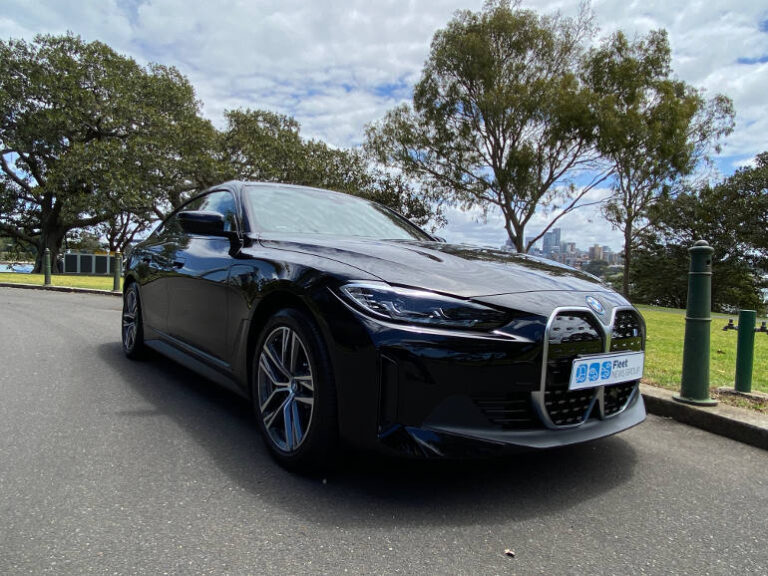
Origin has surpassed 2,000 electric vehicles (EVs) under management, a milestone that highlights growing demand from organisations seeking practical ways to introduce EVs into their fleets and employee benefit programs.
The energy company says it is now Australia’s largest dedicated EV subscription and fleet provider, working with major organisations including AON, AustralianSuper, Gilbert + Tobin, Mantel, Ventia and Tesla. The partnerships reflect a broader trend among corporations using salary packaging and fleet programs to make EVs more accessible to employees while supporting corporate sustainability targets.
For Fleet Managers and Sustainability Managers, the milestone is another indicator that the market is shifting from early adoption to scaled implementation. Organisations are increasingly looking for solutions that reduce the operational complexity associated with vehicle procurement, charging infrastructure and energy management.
Subscription and salary packaging models gaining traction
Origin’s growth has been driven by an EV subscription model that combines salary packaging with bundled energy and charging services. The approach is designed to remove traditional barriers to adoption, particularly the upfront cost of vehicles and uncertainty around charging.
Origin General Manager of E-Mobility Chau Le said the milestone demonstrates the impact of reducing complexity in the transition to electric vehicles.
“Reaching 2,000 vehicles under management is more than just a number, it’s a testament to the growing appetite amongst Australians for cleaner transport, when the right solutions are in place. It proves that removing high upfront costs and complexity can significantly accelerate EV uptake in Australia,” said Le.
The model aligns closely with the policy environment created by the Electric Car Discount, which has helped make EVs more financially attractive through fringe benefits tax exemptions for eligible vehicles.
Data shows new drivers entering the EV market
Origin’s subscriber survey suggests its offering is bringing new drivers into the EV market rather than simply shifting existing EV users between providers.
According to the company:
- 60 per cent of subscribers said they would not have switched to an EV without this type of entry point
- 33 per cent were not actively shopping for a vehicle until the subscription model became available
- 82 per cent of drivers are first-time EV owners
For Finance Managers, these figures reinforce the importance of financing structures and employee benefits in driving adoption. The decision to introduce EVs into a fleet is often influenced as much by affordability and administrative simplicity as by vehicle performance or emissions targets.
Integrated energy and charging solutions becoming part of fleet strategy
Beyond vehicles, Origin is expanding its e-mobility services to include energy plans and charging products designed to simplify the transition for organisations.
These offerings include:
- An electric employee benefits program for partner organisations
- A dedicated EV electricity plan with five hours of free power each day
- An EV Power Up charging product designed to allow eligible vehicles to be fully charged for under $5
For organisations with lower fleet management maturity, bundled services can provide a practical starting point for electrification. Rather than building policies and infrastructure from scratch, fleet teams can adopt structured programs that combine vehicle access, charging and energy management into a single solution.
A signal of market maturity
The 2,000-vehicle milestone is modest in the context of Australia’s total fleet size, but it represents an important shift in how EV adoption is being delivered. The focus is moving from individual vehicle purchases to scalable programs that support employees and business operations.
As organisations develop fleet decarbonisation plans, the availability of subscription and salary packaging models is likely to play an increasing role in accelerating uptake — particularly for businesses seeking predictable costs, reduced administrative burden and a clear pathway to lower emissions.