

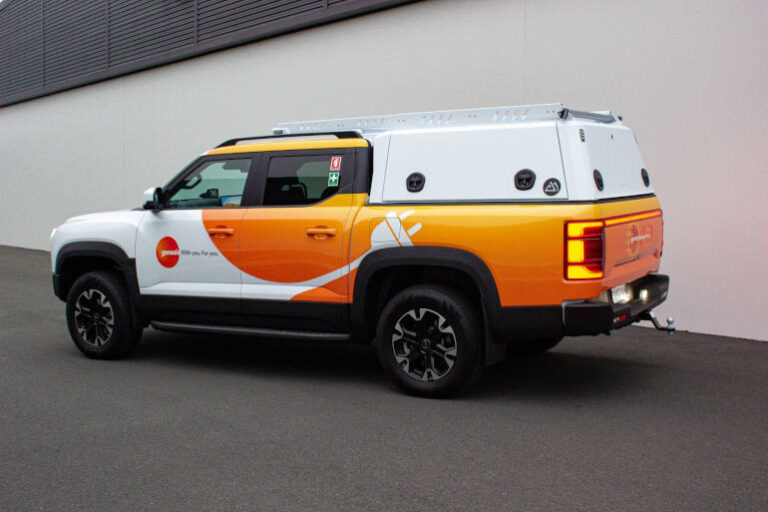
At the 2025 EROAD Fleet Day in Hamilton, George Higgins-Smith, Fleet, Transport & Travel Manager at Genesis Energy, delivered a powerful reminder to the fleet community: successful EV adoption starts with people, not just vehicles.
Drawing from Genesis Energy’s wide-ranging experience in electrifying a diverse and operationally critical fleet, George urged fleet managers to shift the focus away from just technology and boardroom buy-in. Instead, the key to long-term success is making electric vehicles as easy to use as petrol or diesel ones—especially for the drivers behind the wheel every day.
From “Transition” to “Journey”
George opened by reframing the EV shift. “We don’t like using the word ‘transition’ anymore,” he said. “We call it a journey—because we’ve made mistakes, and we’ve had to learn.”
Genesis Energy, which operates a mixed fleet of about 200 vehicles supporting everything from corporate travel to remote infrastructure access, is also the operator of Huntly Power Station—New Zealand’s largest generator, historically fuelled by coal. The symbolism was clear: electrifying the fleet is part of a broader energy shift for Genesis and for Aotearoa.
But that doesn’t make it easy.
Challenge: EVs Are Different
“Drivers don’t want to get stuck,” George said bluntly, recounting a real incident where a staff member ran out of charge en route to a power station due to an unexpected detour. That single event didn’t just affect one person—it rippled across the team, creating resistance to EVs that took months to overcome.
The solution? Treat every EV trip like a new experience—and support it with the right tools, training and empathy.
Pool Fleet, Personalised Support
Genesis runs an entirely pool-based fleet, with 638 staff sharing the vehicles. That means most trips are booked through a system and can involve different drivers, levels of EV confidence, and varying destinations—including some remote sites with no mobile coverage for hours.
For this reason, driver education and trip planning tools became non-negotiable. Through partnerships with companies like PowerTrip, Genesis created a digital ecosystem that helps staff:
- Select the right vehicle for their trip
- Simulate multi-stop journeys in advance
- View real-time charging availability
- Receive live updates during travel
- Feel confident—not anxious—on the road
Beyond Telematics: Creating Fleet for Purpose
Genesis grouped users by team roles—engineers, sales, corporate staff—and analysed how each used vehicles. “It’s not about the vehicle, it’s about the people using them,” George explained. That insight drove tailored fleet decisions, ensuring that each vehicle was fit for purpose based on actual usage, not assumptions.
“Technology gives us real-time insights, but it’s only powerful when it’s shared with the drivers,” he said. “We want them to feel confident enough to choose an EV, even for longer trips.”
A Three-Part Framework: Plan, Electrify, Manage
George outlined Genesis’s practical framework for EV implementation:
- Plan – Analyse user needs, destinations, range requirements, and infrastructure gaps.
- Electrify – Provide tools for simulation, booking, education, and charger visibility.
- Manage – Continuously monitor usage and feedback to ensure vehicles are still the right fit.
This isn’t a once-and-done process—it’s a continuous cycle of listening, adapting, and supporting.
People Are the Priority
For George, the real success comes down to one thing: people.
“If there’s nothing else you remember, talk to your drivers,” he told the audience. “Ask them what they want, how they use the vehicles, and what would make it easier. The journey isn’t about just ticking a box. It’s about helping people succeed in a new way of moving.”
Final Thoughts: Partnership Over Policy
Genesis Energy’s story isn’t about a big policy shift or a one-size-fits-all technology solution. It’s about partnerships—between fleet managers, drivers, software providers, infrastructure teams, and executives. By putting the human experience at the centre of EV adoption, they’re creating a fleet that’s not just electric, but effective.
As more organisations look to reduce emissions, George’s presentation was a timely reminder that a well-supported driver is the best EV transition strategy of all.