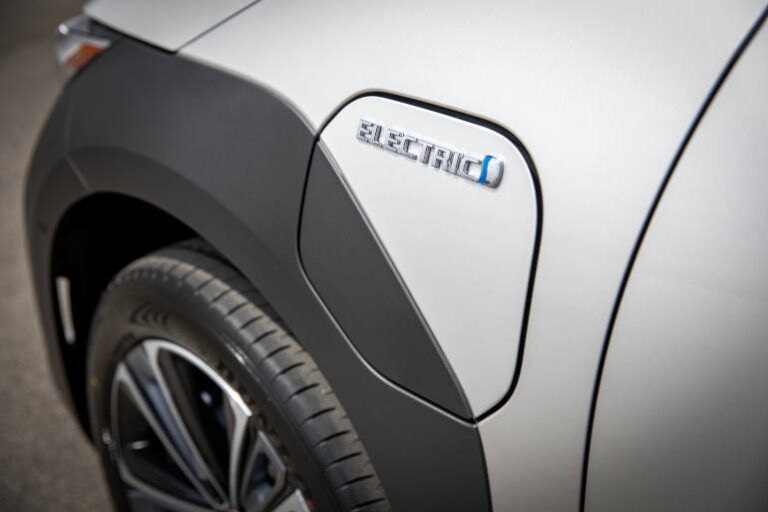
For fleet managers and private buyers assessing whole-of-life costs, battery size, efficiency and charging performance are the numbers that matter. Using the official specification sheets for each vehicle, here’s how the Kia EV5 Air Long Range, Toyota bZ4X 2WD, and Hyundai Elexio Elite stack up.
Battery Size
- Kia EV5 Air 2WD Long Range: 88.1kWh (LFP)
- Toyota bZ4X 2WD: 74.7kWh (Lithium-ion)
- Hyundai Elexio Elite: 88.1kWh (Lithium-ion LFP)
Takeaway:
The EV5 Air LR and Elexio Elite share the larger 88.1kWh battery, giving them a theoretical range and utilisation advantage over the bZ4X’s 74.7kWh pack.
WLTP Range
- EV5 Air LR: 555km (WLTP combined)
- bZ4X 2WD: 591km (WLTP)
- Elexio Elite: 562km (WLTP)
Takeaway:
Despite the smaller battery, the bZ4X posts the longest claimed WLTP range. For high-kilometre fleets, that efficiency edge could reduce charging frequency across the work week.
Energy Consumption
- EV5 Air LR: 180Wh/km (WLTP combined)
- bZ4X 2WD: 138Wh/km (WLTP combined)
- Elexio Elite: 182Wh/km (WLTP combined)
Takeaway:
The Toyota is clearly the most efficient on paper. Lower Wh/km figures translate directly into lower electricity costs per kilometre — a critical metric when modelling whole-of-life operating costs.
AC Charging (10–100%)
- EV5 Air LR: Approx. 8h 10m (11kW 3-phase)
- bZ4X 2WD: Approx. 7 hours (11kW 3-phase)
- Elexio Elite: Approx. 13 hours (7kW)
Takeaway:
For depot or home overnight charging, the Toyota has the shortest full-charge time at 11kW. The Elexio’s longer 0–100% time at 7kW may require more careful scheduling in multi-vehicle fleets.
DC Fast Charging (10–80%)
- EV5 Air LR:
- 50kW: ~72 mins
- 150kW: ~38 mins
- bZ4X 2WD:
- 150kW DC: ~45 mins
- Elexio Elite:
- 50kW: 72 mins
- 150kW: 38 mins
Takeaway:
The EV5 and Elexio are closely matched at higher DC speeds (~38 minutes to 80%). The bZ4X takes slightly longer at 150kW (~45 minutes) which may be a big deal…or not.
What This Means for Fleet Buyers
- Best efficiency: Toyota bZ4X 2WD
- Largest battery capacity: EV5 Air LR & Elexio Elite
- Fastest DC recharge: Toyota bZ4X 2WD
- Longest claimed WLTP range: Toyota bZ4X 2WD
From a fleet perspective, the Toyota’s lower energy consumption could reduce operating costs per kilometre. However, the larger battery in the Kia and Hyundai may provide more real-world buffer for high-load usage, highway driving, or accessory draw.
The real decision will likely come down to your duty cycle:
- Urban pool fleet focused on efficiency → bZ4X
- Regional sales fleet needing battery buffer → EV5 Air LR or Elexio Elite
- Mixed use with occasional fast-charge reliance → bZ4X
For organisations evaluating novated leasing or salary packaging, these differences can materially influence electricity reimbursement modelling and whole-of-life cost projections.
- Tesla sharpens Model 3 appeal for fleets and novated buyers
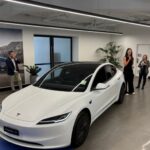
 Tesla has launched a new Model 3 RWD at a sharp entry price, putting the electric sedan into consideration for fleets and value-conscious novated lease buyers. Unveiled to the fleet community at an event in Sydney, the vehicle was introduced at an Australian price of $45,900 (plus inroad costs). Tesla described it as the most
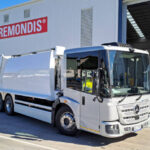
 - REMONDIS Puts Electric Waste Collection to the TestREMONDIS Australia has trialled a Mercedes-Benz eEconic battery-electric waste collection truck in Brisbane, testing how the technology performs in local commercial operations. The trial marks another step in the company’s fleet decarbonisation program. With 600 waste collection trucks operating across Australia, REMONDIS sees significant potential to reduce emissions through alternative powertrains. The next phase will
- EVs are turning employees’ homes into fleet fuel stationsFor decades, fleet fuel management has been relatively straightforward. Give the driver a fuel card, let them visit a service station and receive an invoice detailing the transaction. Electric vehicles are changing that model because the organisation can suddenly be responsible for procuring the energy used to power its fleet — and some of that
- Ford Brings Range-Extender Bronco to AustraliaFord will add another form of electrification to its Australian line-up when the Bronco Basecamp arrives in the second half of 2027, combining electric drive with a petrol-powered range extender designed to support long-distance travel. Rather than using a conventional hybrid system where both the petrol engine and electric motors can drive the wheels, the
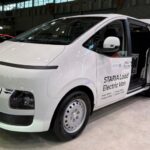
- Why Hyundai sees its dealer network as part of the EV propositionThe specifications of the new Hyundai STARIA Load Electric will attract plenty of attention from Fleet Managers: 450km of WLTP range, a payload of more than a tonne and 800V architecture capable of very fast DC charging. But Hyundai Australia Chief Operating Officer Gavin Donaldson argues that the commercial vehicle proposition extends well beyond what