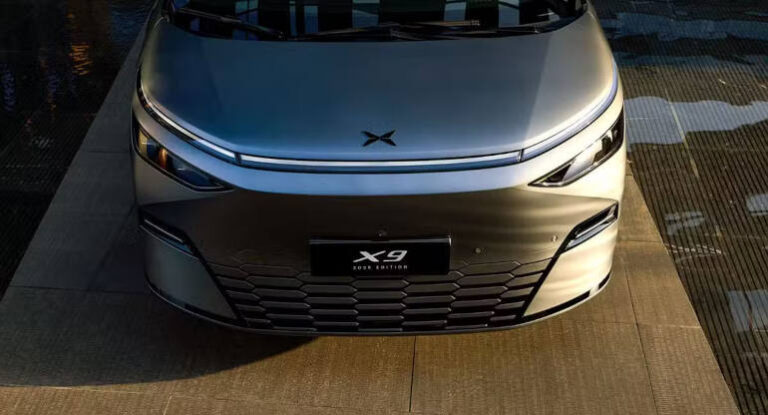
The Australian distributor of XPENG electric vehicles, TrueEV, has entered administration, marking one of the first visible signs of consolidation in the rapidly expanding electric vehicle market.
Over the past two years, dozens of new brands and models have entered Australia, encouraged by growing demand for low- and zero-emission vehicles and policy settings designed to accelerate the transition. While increased competition has delivered more choice for buyers, industry commentators have also questioned the long-term viability of some new entrants, particularly those without established dealer networks, service capability, or a sustained investment in the local market.
The administration of TrueEV is likely to intensify that discussion.
For organisations responsible for managing fleet risk, the development reinforces a cautious approach that many Fleet Managers have already adopted. Rather than rushing to adopt the latest model or brand, many have chosen to observe how new suppliers perform over time—evaluating reliability, aftersales support, parts availability, and residual value performance before committing significant capital.
This measured approach reflects a growing level of fleet management maturity. Vehicle selection decisions are increasingly being assessed not just on purchase price or technology features, but on whole-of-life considerations such as service support, warranty stability, and long-term supplier capability.
The situation also highlights the ongoing value of established automotive brands. While traditional manufacturers have often been criticised for introducing electric vehicles more slowly than newer competitors, their long history in the Australian market provides a level of certainty that is important for fleet operations.
Decades of investment in dealer networks, technician training, parts supply, and customer relationships create resilience that becomes particularly important during periods of rapid industry change.
For Finance Managers, the collapse is a reminder that supplier stability is a financial risk factor, not just an operational one. The viability of a distributor can influence resale values, maintenance costs, and asset disposal strategies—key elements in total cost of ownership calculations.
For Sustainability Managers, the lesson is equally practical. Achieving emissions reduction targets requires reliable vehicles and dependable partners. A well-planned transition strategy typically prioritises operational continuity alongside environmental outcomes.
The broader market trend remains positive. Electric vehicle adoption will continue to grow, supported by improving technology, expanding charging infrastructure, and stronger policy frameworks. However, the experience with TrueEV suggests that the next phase of the transition will involve market consolidation, where only brands with strong financial backing, local capability, and long-term commitment are likely to succeed.
For organisations developing fleet decarbonisation plans, the message is straightforward:
progress with electrification, but apply the same procurement discipline used for any other critical asset.
Increasing fleet management maturity—through structured policies, supplier evaluation, and data-driven decision-making—will place organisations in a stronger position to manage both the opportunities and risks that come with the transition to electric vehicles.