


As more electric vehicles enter Australian fleets, the conversation about electrification is moving beyond vehicle selection, charging and energy costs.
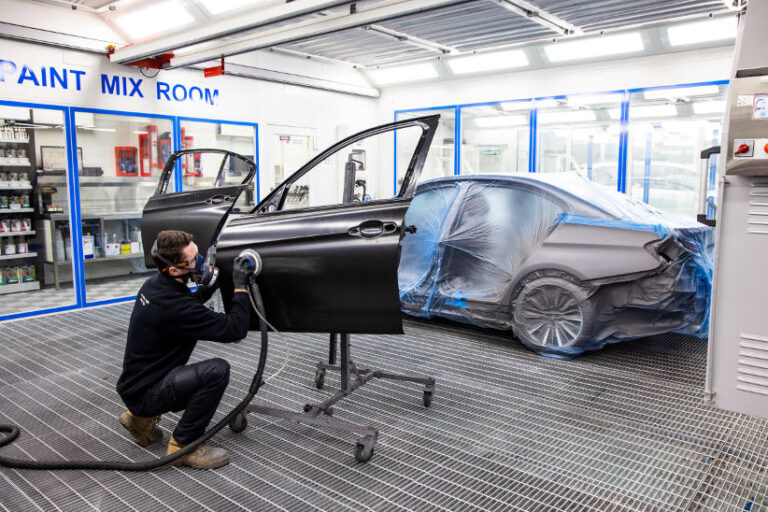
Fleet managers also need to consider what happens when those vehicles are damaged. That raises a broader question: is the existing repair network still fit for the fleet you are building?
For DingGo Co-Founder and Chief DingGo, Shaun Janks, one of the biggest opportunities for fleet managers is to move away from relying purely on longstanding supplier relationships and use data to understand how repairers are actually performing.
DingGo operates a digital accident management platform that connects fleets with insurers, repairers, assessors, towing providers and replacement vehicle suppliers.
Janks said digitising the process gives fleet managers visibility of metrics including repair costs, days off road and repairer performance.
“Do I have a good insurer? Am I using a good repair network? Am I paying fair prices?” Janks said.
Those are important questions for any fleet, but they become even more relevant as the vehicle mix changes.
The introduction of EVs gives fleet managers another reason to review whether the repair arrangements that worked for yesterday’s fleet will continue to support tomorrow’s.

Don’t assume the existing network is still the best option
Many fleet managers have built strong relationships with repairers over a long period. Those relationships can be valuable, but Janks said they should still be measured and tested.
He described a typical conversation with fleets that had been using the same suppliers for years.
“We’ve always used repairer A and B. We’ve had great relations with them. They do great work for us. Why would we go elsewhere?” Janks said.
The issue is not necessarily whether those repairers are doing good work. The bigger question is whether the fleet has enough information to know how their cost and performance compare with other options.
“Do you know if you’re getting fair and reasonable prices?” Janks said. “Well, you know they’ve been looking after us. Why wouldn’t they? Well, have you tested the market?”
For a fleet undergoing electrification, that question deserves fresh attention.
An established repair network may still be the right answer, but fleet managers should be reviewing their supplier arrangements as the vehicle mix changes rather than assuming historical relationships will automatically remain the best fit.
Creating competition without abandoning trusted suppliers
Janks said DingGo can introduce additional repairers into the allocation process, giving fleets an opportunity to compare performance without necessarily abandoning suppliers they know and trust.
That can create competitive tension and provide fleet managers with a clearer view of the market.
“In many cases, it wasn’t uncommon to see a 20% reduction in repair costs almost instantly from just creating a bit of competitive tension,” Janks said.
Importantly, he said the objective was not simply to remove existing repairers.
“It wasn’t about getting rid of the old repairers,” he said. “It was just about holding them accountable to say, like, we now know what things cost.”
That mindset is particularly relevant for fleets in transition.
Electrification is changing the vehicle mix, and fleet managers should be applying the same discipline to repair and accident management that they apply to vehicle procurement: understand the market, compare options and measure the results.
Downtime matters when the fleet is changing
Repair cost is only one measure of performance. Janks said vehicle downtime is another key metric.
“That’s one of the key metrics we look at: vehicle downtime, like days off road, repair days,” he said.
For an operational fleet, every additional day a vehicle is unavailable can create problems elsewhere in the organisation.
That means repairer capacity should also form part of the decision. Janks explained that one repairer may have capacity available while another is heavily booked.
“If you only ever send to repairer B, you’re going to have more downtime,” he said. “But if you can utilise repairer A in those particular weeks that repairer B is busy, you’re tapping into unused capacity in the marketplace.”
As fleets introduce EVs, managers should be thinking about downtime as part of the broader electrification strategy.
Choosing the right electric vehicle is only one part of the equation. Keeping that vehicle available and productive throughout its operating life matters too.
Electrification increases the need for better visibility
For Janks, the broader issue is visibility.
One of the early lessons DingGo encountered was that many organisations did not have a complete picture of what accidents were really costing the business.
“The average fleet manager had no way to know their costs, like their true costs,” Janks said. “Where are we spending money across the whole repair cycle, because so much of it wasn’t being captured?”
That makes establishing a baseline important.
Once repair costs, downtime and supplier performance are captured consistently, fleet managers can begin measuring whether changes to their repair network are improving outcomes.
Janks said benchmarking helps turn the information into something useful.
“How does my fleet compare to other fleets? How do my drivers compare? Like, how do my vehicle damages compare? Is there anywhere we need to improve?”
For fleets moving through electrification, this type of baseline will become increasingly valuable.
Without good data, it can be difficult to understand whether changes in repair cost or downtime are caused by the vehicles, the repair network, supplier capacity or the processes surrounding accident management.

Make repair strategy part of the EV transition
Fleet electrification strategies commonly focus on which vehicles to buy, how they will be charged and whether the operational use case works.
Repair and accident management should be part of that planning as well.
This does not mean assuming that EVs will automatically cost more to repair or spend longer off the road. It does mean fleet managers should understand how their repair network is performing as the fleet changes.
The same fundamentals still apply: measure repair costs, monitor downtime, compare suppliers, understand capacity and challenge assumptions.
Janks said the fleet managers who actively interrogate their data tend to achieve the greatest improvements.
“The more they use the data, the more they push us, and then the better their performances get,” he said.
Electrification gives fleet managers an opportunity to rethink more than the vehicles they operate.
It is also a chance to review the suppliers, processes and information that support those vehicles once they are on the road.
So while the question may start with which EV is right for the fleet, it should not end there. Fleet managers should also be asking: is our repair network ready for the fleet we are becoming?




