


Australia’s rapid growth in artificial intelligence, data centres and electrification is forcing businesses to rethink how they plan energy infrastructure, with implications extending well beyond the technology sector.
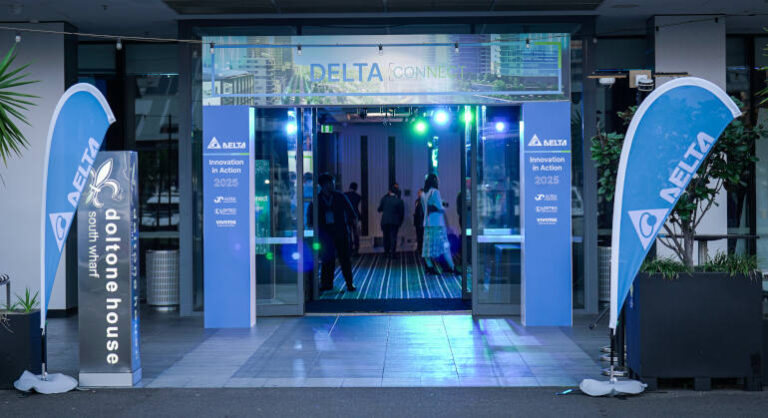
Delta Connect 2026, brought together representatives from technology, energy, mining and infrastructure to discuss how Australia can support digital growth while improving energy efficiency and resilience.
For fleet operators, the themes are increasingly relevant. The transition to electric vehicles is placing charging infrastructure, electricity supply and energy management at the centre of fleet planning.
Charging becomes part of the energy system
Electric vehicle charging is often treated as a fleet procurement issue, but the expansion of electric vehicles is linking transport more closely with buildings, renewable generation, battery storage and the electricity grid.
The Delta Connect program examined energy storage, smart cities, critical infrastructure and the role of power systems in supporting growing demand.
As fleets add more electric vehicles, particularly vans, trucks and equipment with high charging requirements, operators will need to consider when vehicles charge, how much electricity is available at each site and whether upgrades or storage systems are required.
This shift means future fleet strategies may need input from property, energy, sustainability and technology teams, rather than being managed by fleet departments alone.
AI growth adds pressure to the grid
The increasing use of AI is also driving investment in energy-intensive data centres.
A panel featuring industry experts from organisations including AirTrunk, UNSW, GHD, Arup and Greenpoint examined how data centres can balance growth with energy resilience, sustainability and long-term infrastructure planning.
The issue is significant for electric fleets because data centres, buildings, industrial sites and vehicle charging networks may all be competing for access to electricity capacity.
Delta Electronics Australia Country Manager Tom Hew said Australia was entering a new phase of digital and energy transformation.
“Advances in AI, electrification and critical infrastructure are creating both significant opportunities and complex challenges,” Hew said.
He said collaboration between customers, partners and industry leaders would be required to build more resilient and sustainable industries.
Smart cities connect transport and infrastructure
The summit also explored how data, energy, mobility and digital infrastructure could be combined to create more efficient and liveable cities.
For fleets, this could include smarter charging, better use of renewable energy, more coordinated infrastructure planning and greater visibility of energy demand.
The ability to manage charging around vehicle schedules and electricity constraints will become increasingly important as fleets move beyond small passenger vehicle trials and begin electrifying larger operational groups.
Mining highlights scale of the challenge
Mining decarbonisation was another major focus, with Fortescue Senior Manager, Decarbonisation Operations, Zac Carlton taking part in a discussion on the future of energy and transport in the sector.
Mining fleets present some of the most difficult electrification challenges because vehicles often operate in remote locations, carry heavy loads and require high levels of energy availability.