


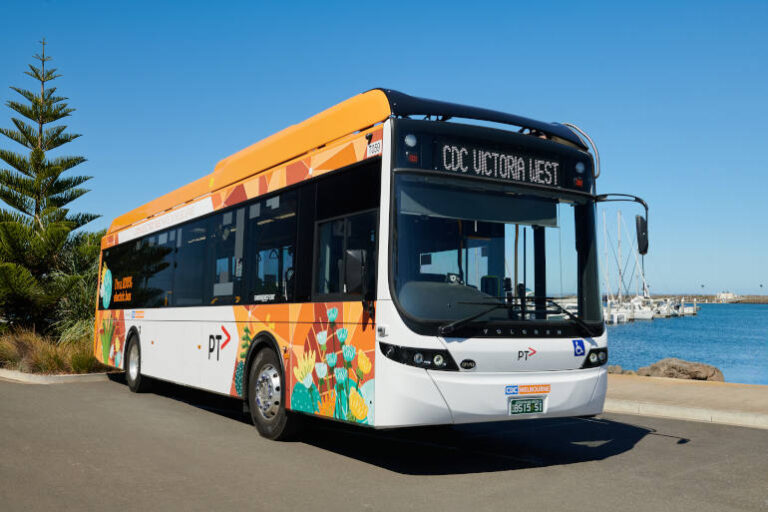
ComfortDelGro Australia is partnering with fleet electrification specialist Zenobē to equip its Truganina depot with charging infrastructure capable of supporting more than 130 electric buses, paving the way for electric bus services across Melbourne’s western growth corridor.
The project will create what the partners describe as the largest electric bus depot in Melbourne’s west, with infrastructure designed to accommodate further fleet growth.
For fleet operators, the development highlights the planning required to electrify a major operating depot, from modelling charging demand to sizing a grid connection around future service requirements.
Charging infrastructure built around the operation
CDC Victoria and Zenobē have worked together on the depot’s power and charging requirements to ensure the infrastructure can support the fleet’s operational needs as the transition progresses.
Zenobē will deliver 65 dual-lead DC chargers, with provision for a further 20 charging points, alongside the associated civil and electrical works.
The design process included power and charging modelling to determine the appropriate size of the new grid connection.
Zenobē Australia and New Zealand Country Director Gareth Ridge said the scale of the project required an approach that brought infrastructure and fleet operations together.
“Electrifying a bus depot at this scale is not simply a charging project, it is an infrastructure and operational feat,” Ridge said.
“Truganina has been designed around both how CDC’s fleet will operate today and how it will grow over time, ensuring the power and charging infrastructure can support the transition to zero-emission buses at scale.”
That approach offers a practical lesson for fleets planning their own transition: charging infrastructure needs to reflect how vehicles will work, as well as how many vehicles will eventually require charging.
Bringing UK experience to Australia
The partnership builds on an existing relationship between Zenobē and CDC’s sister company Metroline in the United Kingdom.
Zenobē has delivered more than 450 charging points across five Metroline depots in London, with further growth expected in 2027.
CDC Victoria CEO Jeff Wilson said that experience would support the operator’s transition in Melbourne.
“We’re also delighted to be working with Zenobē on this key project. Their global expertise in delivering fleet electrification, including their work with our sister company Metroline in the UK, will help accelerate our transition to a zero-emission fleet and support the delivery of Melbourne’s sustainable transport future.”
For CDC, Truganina represents another step in a transition that previously included the introduction of hybrid buses.
Supporting a growing transport task
The depot electrification forms part of CDC Victoria’s delivery of the Victorian Government’s Metropolitan Zero Emission Bus franchises, following the award of three franchises to the operator in 2024.
It also comes as public transport services expand across Melbourne’s west. Working with the Victorian Government under the new franchises, CDC has added 470 weekly trips across routes 170, 180, 190 and 192, including increased frequencies and longer operating hours.
The Truganina project will support the introduction of electric buses to the western growth corridor as that transport task grows.
“As a long-time operator in Melbourne’s west, we’re delighted to deliver greener, more sustainable public transport for customers and communities in this region,” Wilson said.
“The electrification of our Truganina depot is a significant milestone that will support the rollout of electric buses, providing customers with cleaner, quieter and more sustainable journeys.”
For the wider fleet sector, Truganina demonstrates how electrification planning extends beyond vehicle selection. Grid capacity, charging demand, depot works and future growth all need to align with the services the fleet must deliver.