


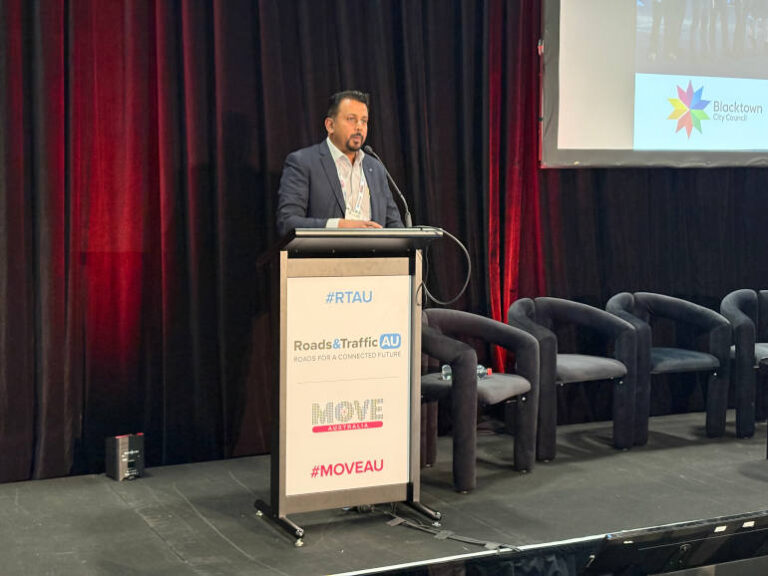
Buying an electric vehicle might be the most visible step in a fleet transition, but the work that determines its success starts well before the purchase.
That was the message from Blacktown City Council’s Kris Nair during a presentation that gave fleet practitioners a practical look at electrification across a diverse council fleet.
For those who missed the session, the discussion offered valuable lessons on vehicle selection, charging, operational change and bringing employees along on the journey. It also demonstrated the value of attending fleet events, where practitioners share the challenges and lessons behind their results.
Start with the work the vehicle needs to do
Blacktown manages approximately 750 fleet assets supporting services including waste collection, street cleaning, and parks and gardens.
Nair explained that the council’s approach began with understanding how those assets operated. The team used telematics data to examine routes, fuel consumption, gradients, daily kilometres and load requirements before introducing trial vehicles.
That evidence helped separate operational needs from perceptions about electric vehicle capability.
In one example, a driver argued that a vehicle needed 500 kilometres of daily range. The operating data showed daily travel was closer to 80 kilometres.
For fleet managers, the lesson was clear: reliable data provides a foundation for vehicle selection and more productive conversations with users.
“Those are the questions that we need to answer first before we decide on the product,” Nair said, referring to charging, duty cycles and support after purchase.
Savings come with lessons
Nair reported annual financial savings approaching $100,000 from changes in the council’s light vehicle fleet, with savings being reinvested into further replacements.
However, he was clear that the economics of heavy vehicle electrification were still being assessed, with charging costs a significant consideration.
The presentation also covered an issue that can receive less attention than battery range: tyres.
Nair said tyre wear had been a challenge in some electric vehicles, prompting the council to review tyre brands and provide driver education. The experience highlighted why fleets need to monitor actual operating performance after deployment.
An EV transition requires ongoing attention to how vehicles are driven, maintained and used.
Bring drivers and workshops into the transition
People were a recurring theme throughout the presentation.
Nair described concerns among some drivers about unfamiliar technology and the longer-term implications for their jobs. Workshop employees also had questions about how electric vehicles and dealer maintenance arrangements would affect their roles.
His advice was to involve drivers, supervisors, department managers and workshop teams, and give them opportunities to experience vehicles through meaningful trials.
Early adopters can help build confidence, while practical experience gives other employees a chance to assess the technology in their own work environment.
Consultation also needs a clear purpose. Defining operational requirements helps keep discussions focused on the job the vehicle must perform.
Electrification can change the operation
One of the strongest examples involved an electric Volvo truck used in parks operations.
Rather than simply replacing a diesel truck with an electric equivalent, the council changed how equipment reached work sites.
Nair described combining work previously undertaken by two trucks into an operation where the electric truck dropped mowers at different locations and returned to collect them. A team leader started earlier to coordinate the deliveries.
The example showed how electrification can prompt a broader review of asset utilisation and work practices.
Charging required similar planning. Nair discussed assessing site power capacity, depot tenure, charger locations and future demand, alongside charging service arrangements intended to reduce the need for a large initial infrastructure outlay.
Learn from the people doing the work
Nair’s presentation was candid about trials, setbacks and the need to learn quickly. That openness is one of the strongest reasons to make time for fleet events.
A presentation can introduce an approach. A conversation afterwards can help a fleet manager understand whether it could work in their own operation.
The session was followed by a panel on transitioning to net zero fleets, extending the opportunity to hear from practitioners working through similar challenges.
For readers planning their next stage of electrification, connecting with the fleet community can provide useful contacts, practical knowledge and the confidence to ask better questions.
Blacktown’s central lesson provides a good starting point: understand the operation, develop the plan and prepare the people and infrastructure before buying the vehicle.