


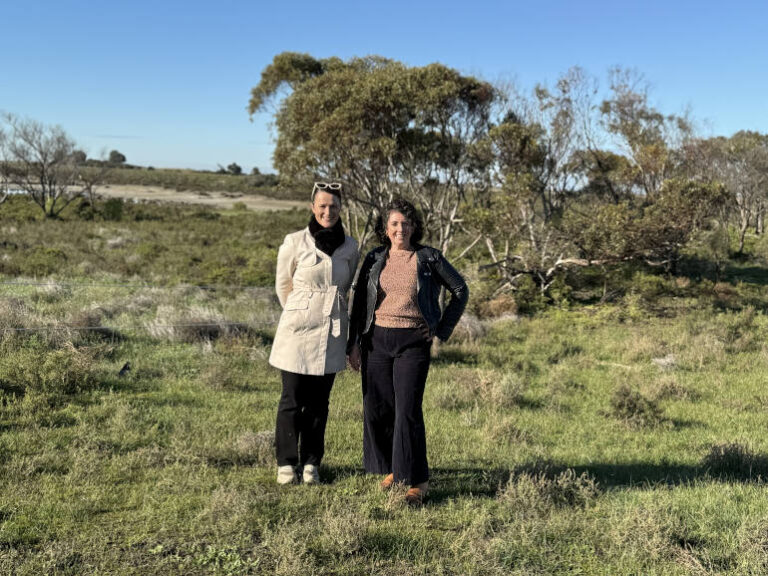
Smart has committed almost $1 million to a long-term revegetation and carbon offset project near Lake Alexandrina in South Australia.
The salary packaging and novated leasing provider will direct at least $100,000 annually to the project over the next nine years, funded through voluntary contributions made by customers participating in its Carbon Offset Program.
Environmental organisation Greenfleet has purchased 40 hectares of cleared agricultural land approximately one hour south-east of Adelaide, near the mouth of the Murray River.
Around 32 hectares of the property will be revegetated with native species, including Melaleuca, saltbush and the South Australian pink gum.
The project is expected to capture carbon while restoring native vegetation and creating habitat for local wildlife.
Rare and threatened bird species sighted in the surrounding area include the endangered Australasian bittern and critically endangered curlew sandpiper. Other species found near the property include the Cape Barren goose, elegant parrot, singing honeyeater and white-fronted chat.
Smart Group Executive for Sustainability Sophie MacIntosh said the multi-year agreement would provide funding certainty for the restoration program.
“Over the past 18 years, Smart customers have contributed over $17 million to support our environmental partners to deliver positive biodiversity outcomes across Australia,” MacIntosh said.
“More than one million tonnes of carbon will be offset over the life of the forests planted to date.”
Smart’s Carbon Offset Program gives novated leasing customers the option of making a small contribution each fortnight to help offset emissions associated with their vehicle.
In 2025, approximately $1.6 million collected through the program was invested in biodiversity projects across Queensland, New South Wales, Victoria and Western Australia.
Greenfleet CEO Wayne Wescott said the Lake Alexandrina project represented the next stage of the organisation’s 18-year partnership with Smart.
“For almost 30 years, Greenfleet has planted native, biodiverse forests to restore nature and capture carbon emissions,” Wescott said.
Greenfleet said the forests it establishes are legally protected for periods of up to 100 years, supporting long-term carbon capture and environmental restoration.