

The transition to electric vehicles is creating new opportunities for fleet operators, but passenger transport remains a challenging segment to electrify. Vehicles need to carry multiple passengers, accommodate luggage, deliver a comfortable journey and remain available throughout the day.
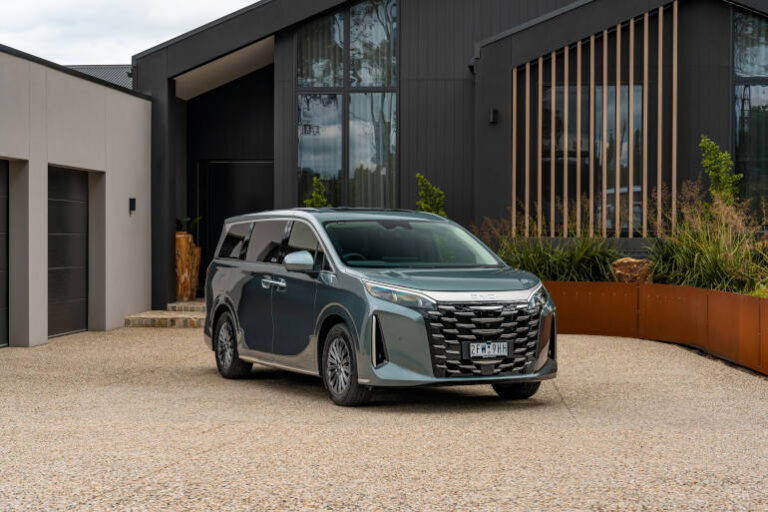
The arrival of the BYD M9 in Australia provides another option for organisations looking to reduce fuel consumption and emissions without compromising the flexibility required for passenger transport.
As BYD’s first new energy people mover, the M9 combines plug-in hybrid technology with the practicality of a large passenger vehicle, targeting families, corporate transport, rideshare operators and commercial fleets.
For fleet managers, its significance goes beyond the technology. It demonstrates how electrification is expanding into vehicle categories where operational requirements have traditionally made the transition more difficult.
Electric driving without changing the way fleets operate
One of the biggest challenges for passenger transport fleets is the unpredictable nature of daily travel.
A vehicle might spend the morning completing short urban trips before being allocated an airport transfer or a longer regional journey. For operators, flexibility is essential because vehicles need to remain productive rather than being restricted by charging availability.
The BYD M9 addresses this challenge through its DM-i 5.0 Super Hybrid system, which combines electric driving with a petrol engine.
Depending on the variant, the M9 can travel up to 145km on electricity alone, according to WLTP testing. This creates the potential for many routine passenger transport activities to be completed without using petrol.
When longer journeys are required, the hybrid system can automatically introduce the petrol engine, allowing the vehicle to continue operating without relying on a charging stop.
For organisations beginning their fleet electrification journey, this approach offers a transition pathway that allows drivers and fleet managers to gain experience with electric driving while retaining familiar operational flexibility.
Passenger comfort becomes part of the fleet equation
Passenger transport vehicles have different requirements from conventional fleet cars.
While purchase price, operating costs and reliability remain important, the passenger experience can have a direct impact on customer satisfaction and the quality of the service being delivered.
BYD has clearly recognised this in the development of the M9.
The large cabin provides seating for seven or eight occupants, depending on the configuration, with generous space across all three rows.
The seven-seat Premium variant places particular emphasis on second-row comfort, with individual captain’s chairs featuring heating, ventilation, massage functions and reclining seatbacks.
Other features include fold-out tray tables, a ceiling-mounted entertainment screen and an integrated cooling and heating compartment.
These may appear to be luxury features, but for organisations providing corporate transfers, premium transport or long-distance passenger services, they can contribute to a more comfortable and differentiated customer experience.
Even the more conventional eight-seat configuration provides an opportunity for community transport, employee shuttles and other applications where passenger capacity is the priority.
A quieter journey for drivers and passengers
One of the less discussed advantages of electrification is the improvement in the driving and passenger experience.
The M9’s ability to operate on electricity during urban journeys reduces the presence of engine noise, particularly in stop-start traffic.
BYD has also incorporated sound-insulating glass and other noise-reduction measures to create a quieter cabin.
For passengers, this can make conversations easier and longer journeys more relaxing.
For drivers spending extended periods behind the wheel, reduced cabin noise and a comfortable driving environment may also contribute to a less tiring working day.
The M9 features independent rear suspension, with the Premium model adding intelligent damping technology that adjusts suspension behaviour according to driving conditions.
For fleet operators carrying passengers throughout the day, ride comfort is an important consideration that can sometimes be overlooked when vehicle selection focuses primarily on operating costs.
The opportunity for community and corporate fleets
Although much of the attention surrounding electric vehicles has focused on passenger cars, SUVs and light commercial vehicles, people movers have an important role across a wide range of organisations.
Councils, community service providers, aged care organisations, hotels and businesses all operate vehicles designed to move groups of people.
Many of these vehicles complete regular journeys within defined geographic areas, making them potential candidates for electrification.
The BYD M9 introduces an option for organisations that may not yet be ready to commit to a fully electric people mover.
A community transport vehicle completing scheduled local journeys could potentially operate largely on battery power, while retaining the ability to undertake longer trips when required.
Similarly, corporate fleets could use the M9 for employee transfers, airport collections or transporting visitors between business locations.
The important consideration will be understanding how each vehicle is used and whether there are opportunities to recharge during its normal operating cycle.
Charging behaviour will determine the benefits
Plug-in hybrid vehicles create an interesting challenge for fleet managers because their environmental and financial benefits depend heavily on how they are operated.
Unlike a conventional hybrid, which manages its battery without external charging, a plug-in hybrid delivers its greatest opportunity for reducing petrol consumption when the battery is regularly recharged.
For the BYD M9, this means organisations will need to consider where vehicles are parked, how long they remain stationary and whether charging infrastructure can be incorporated into existing operations.
Vehicles returning to a central depot overnight may be well suited to this approach.
However, passenger transport vehicles operating across multiple shifts or with limited downtime may find it more difficult to maximise electric driving.
This reinforces the importance of selecting vehicles based on operational requirements rather than simply choosing a powertrain technology.
Fleet managers will need to understand daily distances, duty cycles and charging opportunities before determining whether the M9 is suitable for their organisation.
Technology and safety support professional drivers
The BYD M9 also brings a range of technologies designed to support drivers who spend much of their working day behind the wheel.
Adaptive cruise control, autonomous emergency braking, blind spot detection, emergency lane keeping assistance and cross traffic braking are included in the vehicle’s driver assistance package.
A 360-degree camera system should also assist drivers manoeuvring the large people mover in busy car parks and passenger collection areas.
Inside, digital displays, smartphone connectivity and over-the-air software updates provide a modern driving environment.
For fleet operators, these features contribute to the broader consideration of driver safety, usability and vehicle suitability.
Another step towards more diverse electric fleets
The introduction of the BYD M9 highlights how vehicle electrification is moving beyond conventional passenger cars.
Fleet managers increasingly need electrified alternatives across multiple vehicle categories, including people movers, commercial vans, utilities and specialist vehicles.
While fully electric vehicles will suit many applications, plug-in hybrids can provide an alternative where operational flexibility, long-distance travel or access to charging remain challenges.
For fleet managers, the real opportunity is not simply replacing a petrol or diesel people mover with a plug-in hybrid. It is understanding where electric driving can be incorporated into existing operations without compromising the transport services their organisations need to deliver.