

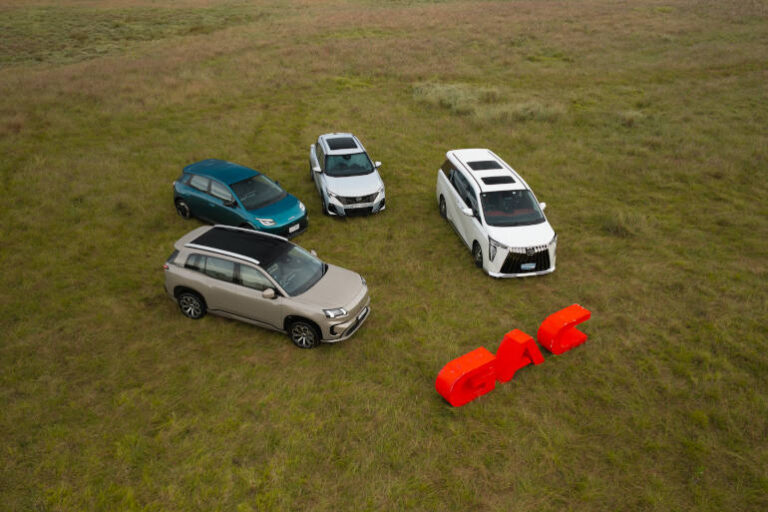
Chinese automotive newcomer GAC has sold more than 5,000 vehicles in its first 12 months in Australia, with plans to expand its dealer network and introduce more models as competition in the electric vehicle market intensifies.
GAC Australia is celebrating its first anniversary with a growing customer base, 47 dealerships and an ambitious product strategy that could see more electric and plug-in hybrid vehicles introduced over the next few years.
The manufacturer has committed to bringing 10 vehicles to Australia over a five-year period, with several new models currently under evaluation for local release.
For Australian fleet buyers, the expansion of another Chinese automotive brand provides additional choice as organisations look for affordable electric vehicles, alternative powertrains and competitive whole-of-life costs.
More electric and plug-in hybrid models under consideration
GAC has confirmed it is evaluating several vehicles from its global portfolio for Australia, including the premium plug-in hybrid S7, AION UT Cross and Yue 7.
While local launch dates and specifications have not been confirmed, the potential expansion of GAC’s electrified range highlights the growing competition among Chinese manufacturers seeking a share of Australia’s EV market.
The company already has a four-vehicle lineup and is looking to strengthen its position by introducing products that meet changing Australian customer expectations.
Cheney Liang, Chief Operating Officer of GAC Australia, said the company was actively assessing opportunities to expand its local range.
“We are continually assessing the demands of Australian consumers and rapidly confirming plans for the introduction of further new models in 2027 and beyond. We look forward to firmly committing to the introduction of these soon,” Liang said.
Dealer network expansion supports fleet ambitions
One of the challenges for new automotive brands entering Australia is establishing a national sales and service network capable of supporting customers beyond the initial vehicle purchase.
GAC has established 47 dealerships during its first year and plans to increase that number to 60 by the end of 2026.
For fleet operators considering a new manufacturer, the size and coverage of the dealer network can be just as important as vehicle specifications and purchase price.
Access to servicing, replacement parts and ongoing technical support can influence vehicle downtime, operating costs and confidence in long-term ownership.
Liang said the company’s first year had created a foundation for further growth.
“We have built the foundations to make GAC a success here in Australia. With a 47-strong dealer network, thousands of new customers, and the establishment of exceptional partnerships with Sydney FC and Melbourne City FC, we are poised to make further inroads in our next 12 months,” Liang said.
More competition for Australia’s EV market
The arrival of GAC adds another manufacturer to an increasingly competitive Australian automotive market, where Chinese brands are expanding their presence with electric, hybrid and plug-in hybrid vehicles.
For fleet managers, this growing selection creates opportunities to compare different powertrain technologies, vehicle sizes and ownership costs rather than relying on established manufacturers.
GAC says its long-term strategy is focused on supporting Australian customers throughout the ownership journey.
“Our strategy of ‘In Australia, For Australia’ ensures that we will continue to support our customers to the fullest, not just in their first year of ownership, but for the long term. We look forward to welcoming more Australians to the GAC family,” Liang said.
The next test will be whether the manufacturer can convert that early momentum into sustained sales growth, expand its service network and deliver the additional electrified models that could make it a stronger contender for Australian fleet business.