


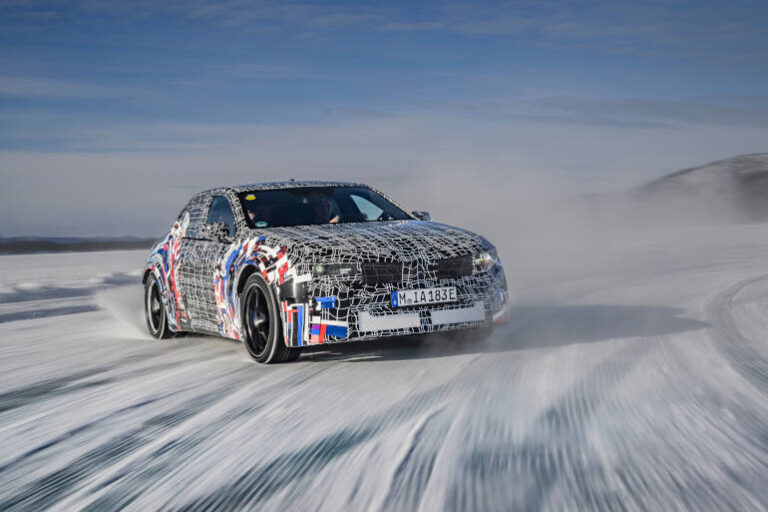
BMW M has confirmed that its next generation of high-performance vehicles will be fully electric, with the first BMW M models based on the Neue Klasse platform due from 2027. The announcement signals a major shift for the performance brand, transferring its motorsport DNA into a battery-electric format while retaining the driving dynamics M is known for .
For Fleet Managers and Sustainability Managers, the move highlights how even traditionally high-performance segments are being reshaped by electrification, while Finance Managers will be watching closely as advanced EV architectures begin to redefine whole-of-life cost assumptions for premium vehicles.
Electric performance, M-style
According to BMW, the Neue Klasse M models have been engineered from the ground up as electric vehicles, rather than adapted from existing platforms. At the centre of the strategy is BMW M eDrive, featuring four electric motors – one driving each wheel – delivering precise torque control and enhanced traction.
The system combines the characteristics of rear-wheel drive and all-wheel drive, with the ability to completely decouple the front axle. This allows the vehicle to operate as a rear-wheel-drive performance car when conditions allow, improving efficiency and extending driving range on longer journeys.
BMW says the technology enables maximum traction up to the limit, improved recuperation, and a more direct throttle response than has previously been possible in production vehicles.
New control architecture
The Neue Klasse architecture introduces four high-performance onboard computers, referred to as “Superbrains”, which manage driving dynamics, automated driving, infotainment, and comfort systems. Central to this is the BMW M “Heart of Joy” system, which integrates with M-specific Dynamic Performance Control software.
For fleets, this approach points to vehicles that will continue to evolve over their operating life through faster software updates and feature enhancements, increasing the importance of digital capability in fleet management maturity.
High-voltage battery designed for performance
The high-voltage battery developed for the BMW M Neue Klasse delivers more than 100 kWh of usable energy and has been optimised specifically for high-performance use. Built around BMW’s sixth-generation (Gen6) battery technology, it supports 800-volt charging architecture, high recuperation rates, and sustained power delivery for both road and track driving.
The battery housing also forms part of the vehicle’s structural design, increasing overall stiffness and contributing to improved handling. BMW says this approach balances everyday usability with the demands of high-output performance driving.
Lightweight materials and sustainability focus
BMW M will also introduce natural fibre composite materials in its fully electric performance models for the first time. Drawing on experience from motorsport, the material offers similar properties to carbon fibre but with around 40 per cent lower CO₂e emissions during production.
For organisations assessing vehicle emissions across the entire supply chain, this reflects a broader shift beyond tailpipe emissions alone and into embodied carbon considerations.
What it means for fleets
While BMW M models will sit at the premium end of the market, the technologies underpinning the Neue Klasse platform are likely to influence mainstream BMW electric vehicles over time. For fleets with low to moderate EV maturity, the announcement reinforces several key trends:
- Electrification is now central even to high-performance vehicle strategies
- Software-defined vehicles will require stronger data, policy, and lifecycle planning
- Battery technology and charging capability are becoming critical to operational flexibility
As manufacturers like BMW M push the boundaries of electric performance, fleet decision-makers will need to ensure their strategies, policies, and infrastructure planning are keeping pace with rapidly evolving vehicle capabilities.