

The NSW Government has increased funding for its Electric Vehicle Fleets Incentive: Kick-start Funding program and extended the application deadline, giving more businesses, councils and fleet operators time to add electric vehicles to their fleets.
Under the updated program settings, the 2025–26 Kick-start funding allocation has been increased from $5 million to $9 million, and the deadline has been extended from 29 May 2026 to 30 November 2026.
The extension gives fleet operators more time to assess vehicle availability, confirm charging requirements, prepare internal approvals and submit an application. It also provides a longer window for organisations that are still building the business case for electric vehicles but want to start with a small number of battery electric vehicles.
Kick-start funding is designed for smaller fleets, or larger organisations that want to pilot electric vehicles before scaling their transition. Eligible organisations can apply for co-funding for up to 15 battery electric vehicles and smart charging ports across all rounds and allocations of the EV fleets incentive.
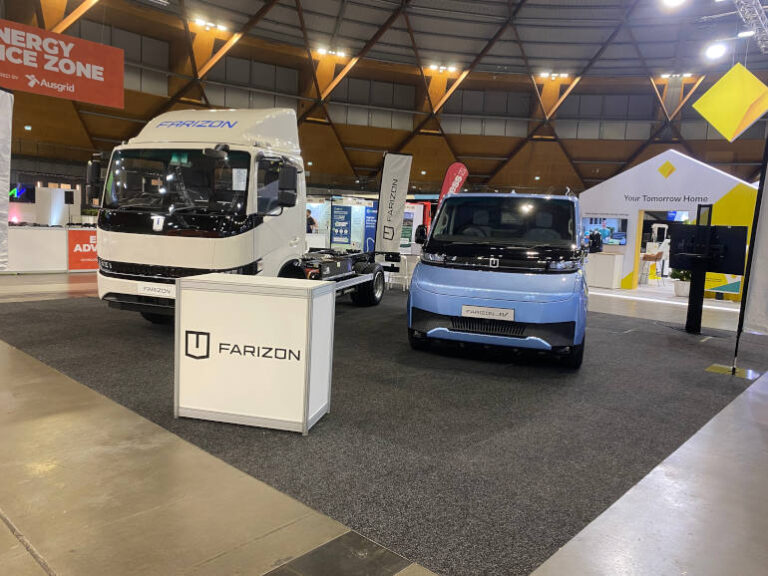
The incentive supports passenger vehicles, SUVs, light commercial vehicles and, for the first time in this funding round, eligible heavy commercial vehicles with a gross vehicle mass above 3.5 tonnes and up to 23 tonnes.
For Fleet Managers, the broader eligibility is significant. Until recently, many organisations had limited electric options beyond passenger vehicles and small vans. The inclusion of heavier vehicles gives councils, freight operators, utilities, contractors and service fleets more opportunity to trial electric trucks and operational vehicles in real-world fleet applications.
The program provides fixed vehicle incentives based on category. Passenger vehicles and SUVs with an eligible recommended retail price can receive $5,000, while light commercial vehicle incentives range from $5,000 to $8,000. Heavy commercial vehicle incentives start at $10,000 and increase up to $50,000 for vehicles above 15 tonnes and up to 23 tonnes.
Charging support is also available. Successful applicants can opt in for smart charging incentives to help cover the cost of purchasing and installing eligible charging infrastructure at organisational premises or, where relevant, employees’ homes. Depending on the vehicle type and charging solution, support can include AC charging incentives or DC charging incentives, with higher caps available for some heavy vehicle applications.
The program remains a first-come, first-served funding allocation, rather than a competitive bid process. This makes timing important. Organisations that are ready to proceed should review the guidelines, confirm eligibility and prepare the required information before submitting an application.
Applicants generally need to hold a valid ABN and operate eligible vehicles in NSW. Businesses and organisations must operate a fleet of at least three registered vehicles in NSW, while taxi owners and truck operators have separate eligibility pathways. Vehicles receiving the incentive must be new battery electric vehicles, registered and used predominantly in NSW.
The program excludes plug-in hybrids, hybrids, fuel cell vehicles, used BEVs, dealer demonstrators, converted vehicles and novated leases. Passenger vehicles and SUVs must also meet the program’s price rules.
A new waiting list process has also been introduced. If funds are exhausted before the published closing date, eligible applicants may be offered the opportunity to join a waiting list. If funds are later forfeited from existing contracts, the department may contact eligible applicants on the waiting list in order of application date.
For organisations planning their next replacement cycle, the funding extension is an opportunity to revisit EV transition plans and identify vehicles that are suitable for electrification now. The best candidates are often vehicles with predictable routes, return-to-base operations, regular overnight parking and known daily kilometre requirements.
Fleet Managers should also consider charging early. The vehicle decision and charging decision need to be planned together, particularly for depots, shared sites and heavier vehicles where electrical capacity, installation lead times and operational scheduling can determine whether the vehicle can be used effectively.
With the deadline now extended to 30 November 2026 and the funding pool increased to $9 million, more NSW organisations have a chance to reduce the upfront cost of introducing electric vehicles and charging infrastructure.
For fleet operators that have been waiting for the right time to start, or for those ready to move from one or two EVs to a broader pilot, the extended Kick-start funding round may provide a practical next step.