


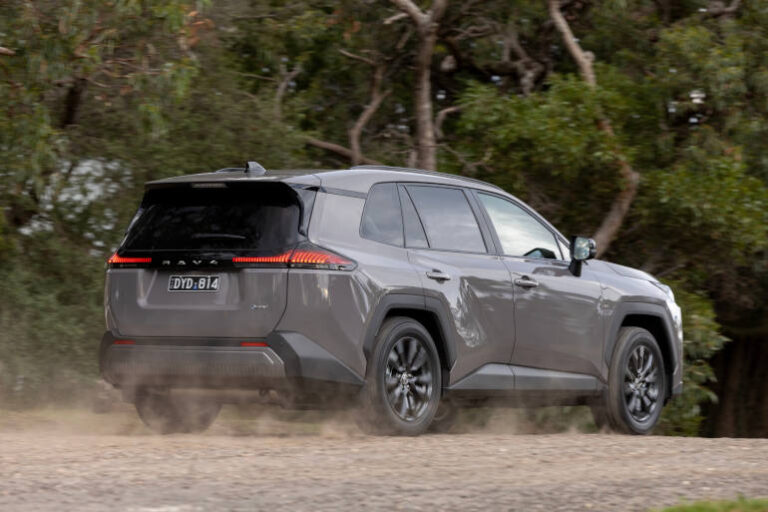
Toyota will expand its RAV4 plug-in hybrid range with a new GXL two-wheel-drive variant in the first quarter of 2027, giving fleet buyers another option for combining electric daily driving with petrol-powered longer journeys.
The new mid-range model will offer a claimed electric-only range of 121km on the WLTP test cycle and support both AC and DC charging. It becomes the fourth RAV4 plug-in hybrid variant, joining the XSE 2WD, XSE AWD and GR Sport AWD models launched in Australia in July.
For fleet managers, the addition brings a plug-in hybrid powertrain to a familiar RAV4 grade, widening the choice for organisations assessing how electrification can fit their operational requirements.
Familiar grade, new powertrain choice
Toyota Australia Vice President Sales, Marketing and Franchise Operations John Pappas said the new variant would bring the low tailpipe CO₂ emission benefits of the plug-in hybrid powertrain to a wider market.
“The mid-range GXL grade has long been a popular model in the RAV4 lineup and now with the addition of the PHEV powertrain option, it adds even more customer appeal,” Mr Pappas said.
The GXL 2WD PHEV uses the same powertrain as the XSE 2WD PHEV, combining a 2.5-litre petrol engine with a front electric motor producing 151.4kW and 272Nm. Maximum combined system output is 201kW.
A 22.7kWh lithium-ion battery supports charging at up to 50kW DC and 11kW AC.
The quoted 121km electric range is a laboratory test result rather than a guaranteed operational range. Actual performance will vary with vehicle load, driving style, climate, traffic and heating or cooling use.
Charging habits will shape the fleet benefit
The electric range could allow many routine fleet journeys to be completed without using the petrol engine, provided vehicles start with sufficient battery charge.
That makes charging access and driver behaviour central to the fleet assessment. Managers considering the new variant should examine daily kilometres, overnight parking arrangements and opportunities to charge at depots, workplaces or drivers’ homes.
The petrol engine provides flexibility for longer journeys, but realising the electric-driving benefits will depend on vehicles being plugged in regularly. Monitoring charging frequency and fuel consumption will help fleets assess whether the powertrain is delivering the intended result.
GXL equipment retained
The new plug-in hybrid shares its equipment level with the GXL 2WD conventional hybrid.
Features include LED lighting, 18-inch alloy wheels, an eight-way power-adjustable driver’s seat, smart entry and start, dual-zone climate control and rain-sensing windscreen wipers.
Inside, drivers receive a 12.3-inch digital instrument cluster, a 10.5-inch touchscreen with Toyota’s new-generation multimedia system and a wireless charger for compatible phones.
The model also includes the latest-generation Toyota Safety Sense driver assistance features and Connected Services, with fees and limitations applying to the connected functions.
Broader RAV4 range gains driving mode updates
Toyota is also updating the RAV4’s Drive Mode Select system across both conventional hybrid and plug-in hybrid powertrains.
Two-wheel-drive models gain Normal, Eco, Sport, Snow and Custom modes, which adjust engine, steering and transmission settings.
From the fourth quarter of 2026, AWD models gain Rock & Dirt and Mud & Sand modes, replacing the previous Trail/Snow functionality. These modes also adjust traction control settings for light off-road conditions.
The addition of the GXL 2WD PHEV will take the RAV4 range to 12 grades across trim levels, drivetrain configurations and electrified powertrains.