


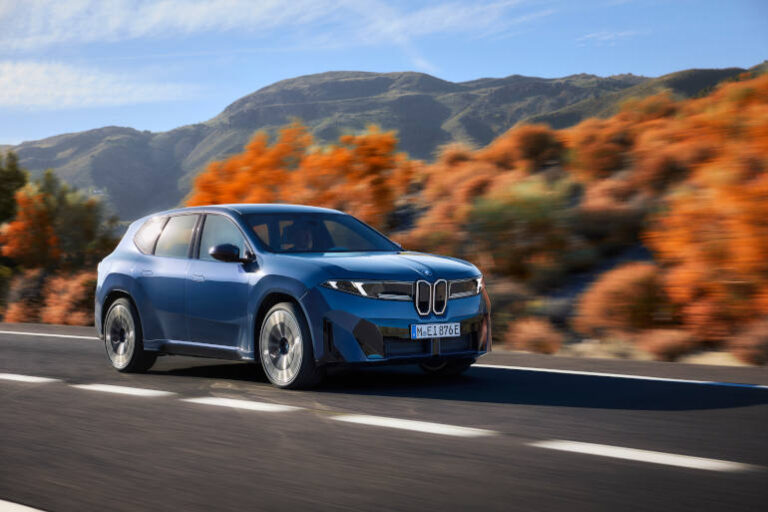
The next phase of electrification from BMW Group will reach Australia later this year with the arrival of the new BMW iX3, the first model from the brand’s upcoming Neue Klasse platform.
Scheduled to launch locally mid-year, the new iX3 introduces BMW’s sixth-generation electric drivetrain and a redesigned vehicle architecture intended to underpin a new generation of electric vehicles from the German manufacturer. The initial Australian variant will be the iX3 50 xDrive, positioned as a high-performance all-electric Sports Activity Vehicle.
The model represents a significant technological shift for BMW. It incorporates the company’s latest eDrive technology, including a high-voltage battery with cylindrical cells and an 800-volt electrical architecture designed to improve charging speeds and efficiency. BMW claims the vehicle can add more than 350 kilometres of driving range in around 10 minutes when connected to high-power charging infrastructure.
With a usable battery capacity of 108kWh, the iX3 is expected to deliver a WLTP driving range of up to 805 kilometres. The dual-motor all-wheel-drive system produces 345kW of power and 645Nm of torque, enabling acceleration from 0–100km/h in approximately 4.9 seconds.
Fast-charging capability is rated at up to 400kW, while three-phase 22kW AC charging will be provided as standard for Australian customers. For organisations assessing EVs for fleet use, these specifications signal an ongoing trend towards higher-voltage platforms and faster charging times as manufacturers refine long-distance EV capability.
Beyond the powertrain, BMW is introducing a new electronics and software architecture designed around four high-performance computers. These systems control driving dynamics, automated driving functions, infotainment and other vehicle features, representing a more centralised computing approach compared with earlier vehicle platforms.
Inside the cabin, the iX3 introduces BMW’s Panoramic Vision display, which projects key vehicle information across the base of the windscreen from A-pillar to A-pillar. The vehicle also features BMW Panoramic iDrive running on the brand’s new operating system, supporting a high level of digital personalisation and connected services.
The iX3 also debuts BMW’s latest design language, described by the company as “timeless, modern and reduced”. While design is a major focus of the Neue Klasse program, the broader strategy is aimed at improving efficiency, sustainability and digital capability across future models.
For fleet buyers and sustainability managers tracking vehicle supply trends, the launch is notable because it signals the beginning of a new EV platform for BMW rather than a conversion of an existing combustion-engine model. Many manufacturers are now moving towards dedicated EV architectures that allow improved energy efficiency, interior space and software integration.
The iX3 will join BMW Australia’s growing portfolio of electrified vehicles, which includes both fully electric and plug-in hybrid models alongside traditional combustion engines. The company continues to describe its approach as “technology openness”, offering multiple powertrain options as the market transitions towards lower-emission vehicles.
As more manufacturers introduce next-generation EV platforms with longer ranges and faster charging, fleet managers evaluating future vehicle procurement will increasingly need to compare not only vehicle purchase price, but also charging capability, operational suitability and whole-of-life costs.
The arrival of the iX3 therefore marks another step in the evolution of electric vehicles available to Australian organisations as manufacturers compete to deliver higher-performance EVs suitable for both private and business buyers.




