


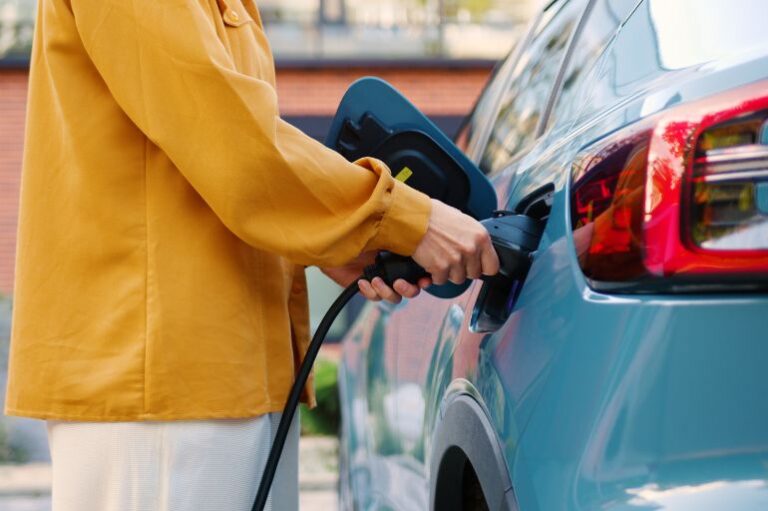
Electric vehicles are no longer being treated simply as transport technology, with AEMO’s latest long-term energy roadmap placing EVs and charging infrastructure within Australia’s future electricity system.
The Australian Energy Market Operator’s 2026 Integrated System Plan forecasts that around 80 per cent of vehicles on Australian roads could be electric by 2050, driving a major increase in electricity demand from road transport.
AEMO expects road transport electricity use to rise from around 1 terawatt-hour today to 61TWh by 2050, reflecting the growing number of electric cars, vans, trucks and other commercial vehicles expected to enter the fleet.
The shift is significant for fleet operators, charging providers and energy networks because the electricity required for transport will increasingly need to be planned alongside generation, storage and transmission.
The Electric Vehicle Council said the ISP formally recognises EVs and charging devices as consumer energy resources, placing them in the same category as rooftop solar and home batteries.
EVC chief executive Julie Delvecchio said the plan marked a change in how EVs should be viewed.
“Electric vehicles are no longer just cars that get you from A to B,” she said.
“AEMO is telling us that EVs are becoming part of Australia’s energy system and playing an increasingly important role in supporting the grid.”
That recognition brings greater focus to the way vehicles are charged. Rather than simply adding demand to the grid, EVs could become flexible energy assets when charging is managed around periods of lower demand or high renewable-energy generation.
The opportunity is even greater as bidirectional charging technologies develop. AEMO forecasts that more than 10 per cent of household EVs could participate in vehicle-to-grid programs by 2050, providing about 4.3GW of flexible capacity and almost 49GWh of storage.
For fleet operators, the implications extend beyond passenger vehicles. AEMO expects about half of the increase in road-transport electricity demand through to 2050 to come from commercial and freight vehicles.
That places pressure on Australia to develop charging infrastructure that can support depot operations, freight corridors, regional transport, workplace charging and heavy-vehicle applications.
Dr Alina Dini, Head of Energy, Infrastructure and Commercial at the EVC, said the ISP provides an important demand forecast but leaves major infrastructure questions unresolved.
“While the ISP confirms charging infrastructure will be critical, it leaves open the question of how much charging infrastructure Australia will need, where it should be built, how freight charging networks should develop, or how deployment should be prioritised,” she said.
“That’s exactly why Australia needs a coordinated national outlook for charging.”
For fleets, the message is that charging strategy can no longer sit separately from energy planning. Depot capacity, vehicle operating patterns, smart charging controls, electricity tariffs and potential bidirectional charging capability will increasingly shape the business case for electrification.
The ISP specifically identifies workplace, kerbside, commuter carpark and on-road charging as important components of the future charging network. However, the scale and timing of investment required for freight and commercial charging remains one of the biggest unanswered questions.
As electric vehicles become a larger part of Australia’s transport task, the focus will move from simply adding chargers to ensuring charging is available in the right locations, at the right capacity, and integrated with a grid increasingly powered by renewable energy.