


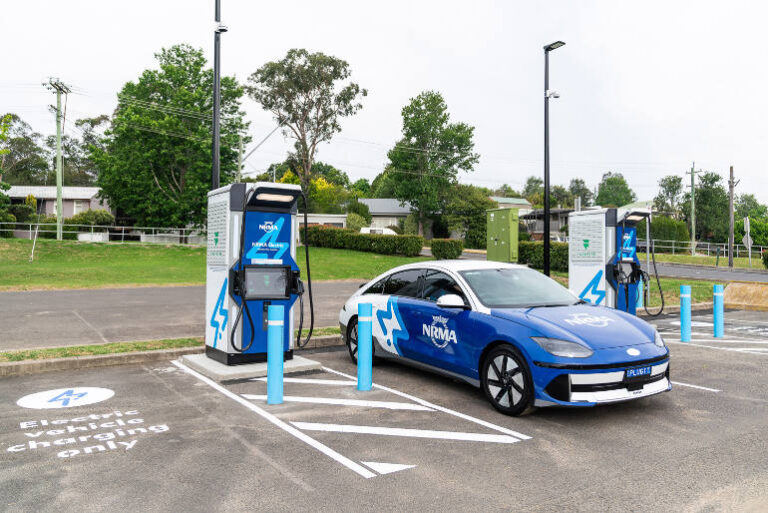
As electric vehicles become part of daily fleet operations, charging reliability is becoming just as important as charger speed.
Speaking with Fleet EV News at the Autel EV Innovation Seminar 2026, Peter Burke, EV Infrastructure Delivery at the NRMA, said the organisation relies on multiple charging infrastructure partners and places strong emphasis on technology support, maintenance response times and spare parts availability.
“We are always looking at these OEM suppliers to support us with new technology, response time on maintenance, having scale and spares is another big one,” Burke said. “We can’t afford to have network sites out.”
That statement should resonate with Fleet Managers. For public charging operators, downtime affects customer experience and network confidence. For fleet operators, downtime can affect whether vehicles are available for work the next morning.
As fleets transition to electric vehicles, chargers become operational assets. They need maintenance plans, supplier support, performance monitoring and clear accountability. A charger that is unavailable at the wrong time can create the same type of disruption as an unplanned vehicle breakdown.
Burke said the NRMA is working with charging infrastructure partners, including Autel equipment supplied through JET Charge, as part of its broader network rollout.
The focus on supplier capability is important. Fleet operators should not assess EV charging equipment on hardware price alone. They also need to consider uptime, remote monitoring, service response, spare parts, warranty support and whether the supplier has the scale to support the fleet over time.
This is especially important for organisations with low fleet management maturity. Many are being asked to reduce emissions and introduce EVs without mature policies, reliable asset data or detailed knowledge of vehicle operating patterns. Adding charging infrastructure without a maintenance and management plan can create new operational risk.
The move to electric vehicles will require Fleet Managers to think beyond vehicles. Charging infrastructure will become part of the fleet asset base and will need to be managed with the same discipline as other critical equipment.
For Sustainability Managers, reliable chargers are essential to keeping the emissions reduction program on track. For Finance Managers, reliability affects whole-of-life costs, productivity and the return on infrastructure investment.
The message from the NRMA’s public charging experience is clear: infrastructure partners matter. In the fleet environment, the cheapest charger may not be the lowest-cost solution if it cannot be supported when the fleet needs it most.