


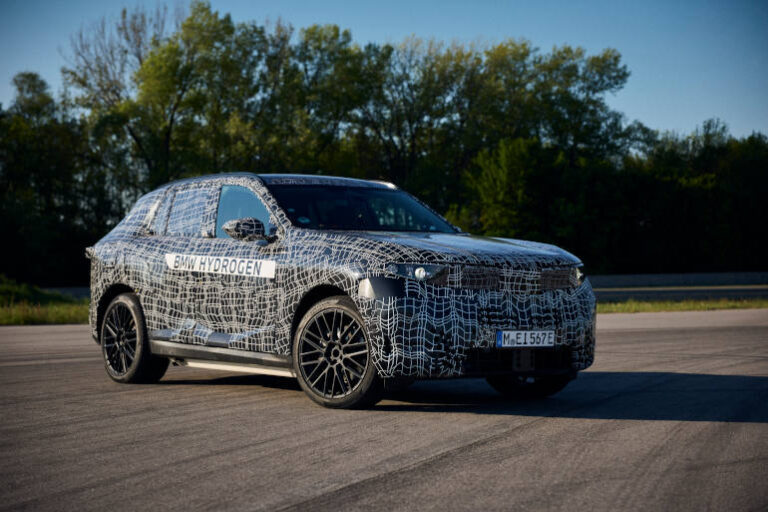
BMW is taking a bold step towards the future of mobility with the launch of the new BMW iX5 Hydrogen, the brand’s first-ever series-produced hydrogen-powered vehicle. Following successful global testing of pilot fleets, the iX5 Hydrogen will go into production in 2028, joining petrol, diesel, plug-in hybrid and battery electric drivetrains in the X5 range.
This marks the first time BMW has offered five different drivetrain options in a single model – a demonstration of the company’s “technology-open” strategy, designed to meet the diverse needs of customers worldwide.
A milestone in hydrogen development
The iX5 Hydrogen uses BMW’s third-generation fuel cell system, co-developed with Toyota. This setup delivers more power and efficiency in a compact design, extending range and improving performance while reducing energy consumption.
Michael Rath, Vice President Hydrogen Vehicles at BMW Group, describes the model as “a true BMW – pioneering in its class and delivering the typical driving pleasure expected of the brand.”
Production expertise from BMW’s centres in Munich, Steyr and Landshut underpins the rollout, with hydrogen drive components integrated alongside traditional engines and electrified systems.
Why hydrogen?
Hydrogen offers unique advantages where battery-electric solutions are less practical. It provides fast refuelling, high driving ranges, and acts as an energy storage medium for renewable sources, helping to stabilise the grid. BMW sees hydrogen as the “missing piece” of the electric mobility puzzle, complementing battery-electric vehicles.
Building the ecosystem with HyMoS
A vehicle is only part of the story. BMW is driving hydrogen adoption through the HyMoS (Hydrogen Mobility at Scale) initiative. This global partnership pools demand across passenger cars, buses, and trucks to make hydrogen infrastructure more viable.
Early pilot projects in Germany and France are helping to shape future metropolitan rollouts, with the aim of expanding into other markets over time.
Looking ahead
By 2028, BMW’s line-up will include two fully electric drivetrain types – battery electric and hydrogen fuel cell – alongside ICE and hybrid options. For fleets and private buyers alike, this flexible approach means greater choice in the transition to lower-emission transport.
The iX5 Hydrogen isn’t just about zero emissions; it’s about giving customers the freedom to choose the technology that works best for their needs, while supporting a broader ecosystem that brings hydrogen mobility to scale.