


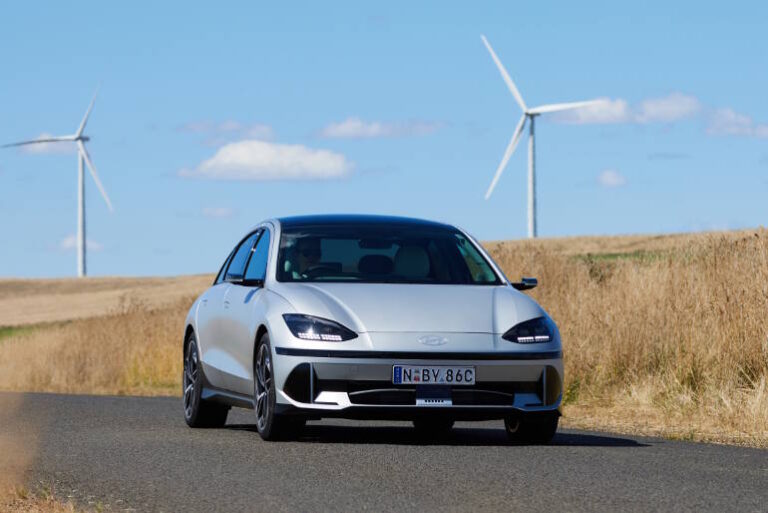
For fleet buyers who have followed Hyundai’s journey over the past decade, the latest round of price cuts and discounting across its electric vehicle range feels like the final confirmation of a strategy gone wrong. Once a leader in fleet electrification and a trusted partner in the early adoption phase, Hyundai now appears to be chasing short-term sales at the expense of long-term relationships.
From Early Educator to Market Follower
Before 2020, Hyundai stood out among mainstream manufacturers for its proactive engagement with the fleet community. The company invested heavily in education and outreach — hosting forums, running pilot programs, and working with Fleet Managers who were cautiously assessing the viability of electric vehicles.
Models such as the Ioniq, Kona Electric and later the Ioniq 5 were not just innovative, they were tailored to the fleet environment: high-quality, high-spec vehicles that fit comfortably within policy parameters for novated leasing; and primed to take advantage of government EV incentives and Fringe Benefits Tax exemptions.
Those early moves won Hyundai credibility and trust. For many Fleet Managers and novated lease customers, Hyundai was the brand that made EVs real — the first step from aspiration to implementation.
Discounts Signal Strategic Drift
Hyundai’s latest national Q4 Drive Away pricing offers have cut thousands from the sticker price of its core EV models — a move that reflects not healthy competition, but a brand scrambling to shift stock and re-ignite sales momentum.
| Model | New Drive-Away Price | Saving (*) |
|---|---|---|
| Kona Electric (Standard Range) | $49,990 | – $9,189 |
| Ioniq 5 (Standard Range) | $65,990 | – $9,779 |
| Inster (Standard Range) | $39,990 | – $3,320 |
| Inster (Extended Range) | $42,990 | – $3,925 |
| Inster Cross | $45,990 | – $3,540 |
| Ioniq 6 Dynamic (23MY) | $49,990 | – $27,564 |
| Ioniq 6 Techniq (23MY) | $54,990 | – $33,589 |
| Ioniq 6 Epiq (23MY) | $59,990 | – $34,142 |
*Savings based on NSW registration; national offers apply.
For fleet buyers, these figures tell a bigger story. Deep discounts of up to $34,000 on vehicles that were previously positioned as premium fleet and novated options highlight how far Hyundai has drifted from the disciplined strategy that once built its fleet reputation.
While end-of-year run-outs are nothing new, this scale of correction devalues vehicles already in service and sends mixed messages to leasing companies and procurement teams. It’s a signal of uncertainty — not confidence — and it undermines residual-value projections that fleets rely on for accurate Whole-of-Life Cost (WOLC) calculations.
Trust Lost Through Inconsistency
There’s a well-worn path for manufacturers that want to succeed with fleets. It’s built on stability, transparent pricing, reliable after-sales support, and consistent engagement. Hyundai once walked that path — and was rewarded for it.
But in recent years, a shift toward retail-style tactics and short-term sales targets has disrupted that trust. Fleet buyers notice when incentives fluctuate monthly, when models appear or disappear from fleet eligibility lists, or when new entrants are offered deals that loyal customers can’t access. Those inconsistencies make it impossible to build predictable budgets or confidently project vehicle depreciation.
In the fleet world, reliability of strategy matters just as much as reliability of product.
A Market Rebalancing — But at What Cost?
Some will argue that price reductions are a natural response to growing competition and falling battery costs. That’s true — but context matters. Brands that have maintained disciplined fleet programs, consistent pricing structures, and transparent communication are not having to make dramatic corrections. Their reward is steady market share and strong resale values.
For Hyundai, however, this isn’t a quiet market adjustment; it’s a visible course correction. The Ioniq 6, which once competed confidently with premium European sedans, is now priced closer to mainstream petrol models. That repositioning may attract retail curiosity, but it risks alienating the fleet and novated buyers who supported Hyundai’s EV push in its formative years.
Fleets Remember Who Helped Them Lead
Fleet electrification in Australia has always relied on partnerships — between manufacturers willing to listen and operators willing to learn. The fleet sector provided Hyundai with some of its earliest real-world EV data, long before mass adoption began. Those organisations put faith in Hyundai’s commitment to innovation and sustainability.
To see that legacy diluted through erratic pricing and inconsistent strategy is more than disappointing — it’s a warning to the broader market. When loyalty is taken for granted, it doesn’t take long for procurement managers to redirect their spreadsheets toward brands that still value consistency and support.
The Lesson for the Industry
Fleet buyers are pragmatic. They understand that markets evolve and that pricing must adjust. But they also understand the value of partnership. Manufacturers who stay the course — maintaining clear communication, predictable pricing, and a focus on total-cost-of-ownership outcomes — will continue to win fleet business regardless of short-term retail trends.
For Hyundai, the road back to trust will require more than another sharp price cut. It will take re-engagement with the fleet community that once helped the brand become a pioneer in electric mobility.