

One of the strengths of public charging is its ability to support the wide variety of roles that fleet vehicles play in helping organisations deliver services and generate revenue. From sales teams on the road to mixed fleets trialling electric vehicles, public charging provides a ready-made solution that adapts to diverse operational needs.
“We’re seeing sales teams and mobile workforces who spend their day moving between client sites charge up on the road,” explains Ben Savigny, Head of Channel Partnerships at Evie Networks. “For them, charging during a client meeting is actually more efficient than going back to base.”
Mobile Teams on the Move
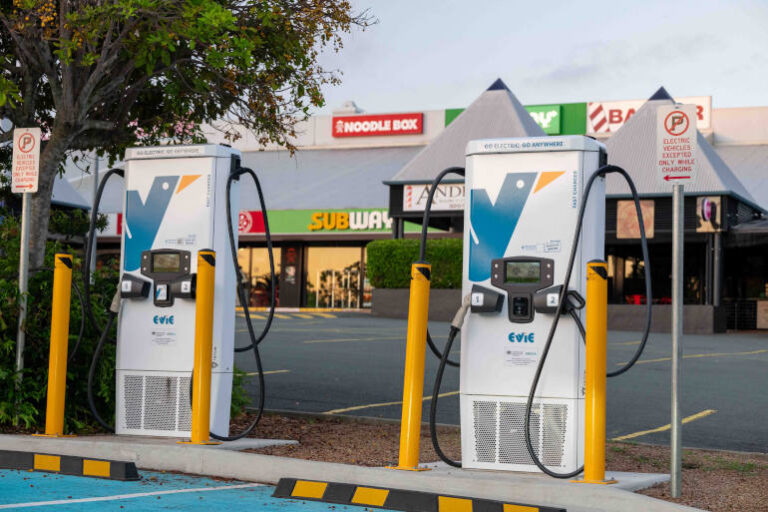
For organisations with staff constantly visiting clients, partners, or suppliers, public charging allows drivers to integrate charging into their day. With fast chargers strategically placed near major roads, shopping centres, and business hubs, drivers can top up their EV while conducting business. Instead of losing time returning to a depot or home charger, they return from their meeting to find the vehicle ready for the next appointment.
This “opportunistic” charging model turns what might be seen as downtime into productivity – drivers are working while the vehicle is charging.
Early Adopters Testing the Waters
Public charging also plays a crucial role for organisations taking their first steps into electrification. Rather than waiting for depot infrastructure or making large upfront investments, early adopters can begin with a handful of EVs and use public charging to understand their real-world requirements.
These insights allow fleet managers to build a clear picture of daily charging habits, energy use, and operational patterns. This data-driven approach helps shape infrastructure plans, ensuring investments match actual business needs.
Mixed Fleets Finding Balance
Not every fleet will switch to electric vehicles overnight, and many organisations are running both internal combustion (ICE) and EV vehicles side by side. For these fleets, public charging provides a low-cost and practical way to keep EVs charged without committing to expensive depot upgrades straight away.
With Evie’s Charge Cards, organisations can easily take on public charging and experience the convenience of Australia’s largest charging network. Evie’s Charge Cards function similarly to traditional fuel cards – each card is assigned to a specific vehicle and managed through Evie’s comprehensive fleet portal. This approach links charging costs directly to specific vehicles, eliminating the hassle of tracking company credit cards across multiple drivers and ensuring accurate allocation of expenses.
Supporting Revenue-Generating Vehicles
Fleet vehicles are more than just transport – they are often a key part of how organisations generate revenue. Whether it’s delivering goods, moving staff between job sites, or meeting clients, keeping those vehicles mobile is critical. Public charging ensures that EVs can remain productive without disruption. By charging at convenient locations along existing routes, organisations can maximise vehicle uptime and maintain service levels without compromise.
Building Confidence in EV Operations
For many fleet managers, the early stages of electrification are about building confidence. Public charging gives organisations the flexibility to trial EVs across different roles, from sales reps to service vans, without locking themselves into a single charging model. Over time, this flexibility allows fleets to scale and adapt as their operational maturity grows.
As Savigny puts it, “These drivers spend their days moving between client locations, business hubs, and various destinations throughout their territory. The strategic placement of fast chargers near major roads and business destinations means they can charge while conducting their regular business activities rather than making dedicated charging trips. This integration with existing workflows is crucial for maintaining productivity.”
Ready to support every role in your fleet?
Whether you’re running mobile sales teams, testing your first EVs, or managing mixed fleets, Evie’s Charge Cards adapt to your diverse operational needs. With strategic fast-charging locations near business hubs and fuel card-style simplicity, you can keep every vehicle productive while building confidence in your electrification journey. Learn more about Evie’s Charge Cards →
- Tesla sharpens Model 3 appeal for fleets and novated buyers
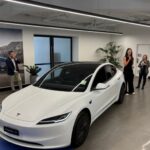
 Tesla has launched a new Model 3 RWD at a sharp entry price, putting the electric sedan into consideration for fleets and value-conscious novated lease buyers. Unveiled to the fleet community at an event in Sydney, the vehicle was introduced at an Australian price of $45,900 (plus inroad costs). Tesla described it as the most
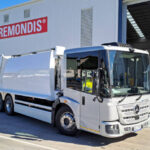
 - REMONDIS Puts Electric Waste Collection to the TestREMONDIS Australia has trialled a Mercedes-Benz eEconic battery-electric waste collection truck in Brisbane, testing how the technology performs in local commercial operations. The trial marks another step in the company’s fleet decarbonisation program. With 600 waste collection trucks operating across Australia, REMONDIS sees significant potential to reduce emissions through alternative powertrains. The next phase will
- EVs are turning employees’ homes into fleet fuel stationsFor decades, fleet fuel management has been relatively straightforward. Give the driver a fuel card, let them visit a service station and receive an invoice detailing the transaction. Electric vehicles are changing that model because the organisation can suddenly be responsible for procuring the energy used to power its fleet — and some of that
- Ford Brings Range-Extender Bronco to AustraliaFord will add another form of electrification to its Australian line-up when the Bronco Basecamp arrives in the second half of 2027, combining electric drive with a petrol-powered range extender designed to support long-distance travel. Rather than using a conventional hybrid system where both the petrol engine and electric motors can drive the wheels, the
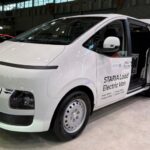
- Why Hyundai sees its dealer network as part of the EV propositionThe specifications of the new Hyundai STARIA Load Electric will attract plenty of attention from Fleet Managers: 450km of WLTP range, a payload of more than a tonne and 800V architecture capable of very fast DC charging. But Hyundai Australia Chief Operating Officer Gavin Donaldson argues that the commercial vehicle proposition extends well beyond what