

Used electric vehicle (EV) values are facing strong headwinds in 2025, and Fleet Managers are right to be cautious. At the 2025 myPlates Industry Forum, Mike Costello, Corporate Affairs Manager at Cox Automotive Australia, delivered a data-rich overview of the evolving used EV market — and it was clear that the road to strong residuals for electric vehicles is still being paved.
The Data Doesn’t Lie: Used EVs Are Losing Value
Costello pulled no punches on the current state of EV resale performance:
“Residual values on EVs are not as strong as other vehicle types….”
Based on data from Cox Automotive and Manheim auctions:
- Used EV sales volumes are growing fast, up four-fold at auction this year.
- Two to four-year-old EVs are down from over $80,000 to just above $50,000 on average.
- Residual values are much lower than ICE or hybrid equivalents:
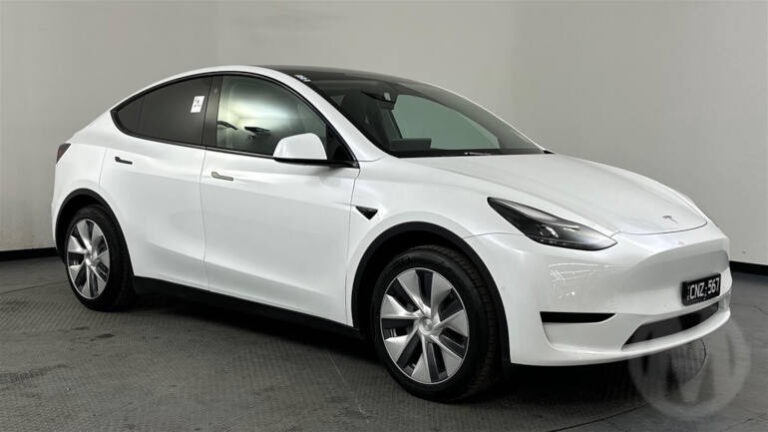
- Tesla Model 3 (3–4 years old): ~56% of original RRP
- MG ZS EV: ~40%
- Nissan Leaf: ~35%
- Hyundai Kona Electric: ~40%
- Petrol Kona: ~70%
This stark contrast demonstrates the current weakness in the EV resale market and the risk for fleets banking on high returns from electric models at the end of lease or ownership.
Why Are EV Residuals So Weak?
Costello outlined six key reasons driving this depreciation:
- Tesla’s aggressive price cuts
Tesla has repeatedly slashed new car prices, instantly undermining values for near-new used Teslas. - Emerging Chinese EVs
Brands like BYD and MG are flooding the new car market with cheap, tech-laden EVs — making used ones harder to justify.“If you can buy an MG4 for $32,990, it’s hard to sell a three-year-old Kona Electric for $40,000.” - Rapid tech change
The pace of EV improvement — range, charging speed, software — means older models feel outdated quickly. - Incentives focused on new EVs
Fringe Benefits Tax (FBT) exemptions and rebates have largely applied to new cars, not used, distorting buyer demand. - Battery reliability concerns
Consumers still worry about battery degradation and replacement costs post-warranty. - Market sentiment
Some buyers are now pivoting toward hybrids, which are seen as a safer bet — especially with rising fuel efficiency standards.
The Impact on Fleet Disposal Planning
For fleets with EVs acquired from early 2022 onward — particularly under FBT-exempt novated leases or operational leases — these falling residuals present a challenge. Costello confirmed:
“We’re about to see a massive influx of EVs coming into the second-hand market… and many are from managed fleets.”
With average EV lease terms of 3–4 years, vehicles bought in 2022 are now approaching remarketing. But lower than expected returns could skew total cost of ownership models.
It’s Not All Bad News
Despite the short-term challenges, Costello sees reasons for cautious optimism:
- Volume is increasing: Used EVs are now ~10% of Manheim’s closed fleet dealer auctions.
- Private buyer interest is building:
90% of EVs at closed auctions go to dealers, but at public auctions the split is more balanced — signalling growth potential in retail sales. - Battery health testing is coming:
Costello introduced technology from Avelu, a five-minute plug-in test producing a detailed report on battery health.“This will be a really important thing to make the market more solid… people want to know the battery is good.” - EV resale may be at its lowest point:“EV residual values today are about as bad as they’re going to get… as tech matures, things will improve.”
Lessons from Hybrid Vehicles
Fifteen years ago, hybrids also faced resale scepticism. Now, they’re leading the market.
“Hybrid RVs are higher across the board than their petrol equivalents,” Costello said.
“It shows that as technology matures and trust builds, resale follows.”
This could be a roadmap for EVs — but patience is required. For now, EV resale depends on brand, model, battery health, and how well the used market supports them.
What Should Fleet Managers Do?
If you’re managing EVs in your fleet or considering new EV purchases, here are five key takeaways from Costello’s session:
- Set realistic RV expectations
Avoid assuming EVs will match ICE vehicle resale values — especially in the 2–5 year age bracket. - Prioritise battery health visibility
Incorporate battery testing in your remarketing process to give buyers confidence. - Monitor the market by brand
Some OEMs (e.g., Tesla) have stronger retail appeal, while others suffer due to limited recognition or network support. - Watch government policy shifts
If incentives like FBT exemptions are removed — as recently recommended by the Productivity Commission — the new vs. used dynamic may shift. - Consider hybrid strategies
For fleets not ready to commit to EVs, hybrids are a strong middle ground with high resale performance.
Final Thought
Used EV pricing is under pressure — but that doesn’t mean EVs are a bad fleet investment. It simply means the rules are different. As the market matures and tools like battery health checks become standard, resale values may recover.
Until then, as Mike Costello reminded attendees, “Time is what will ultimately get people trusting second-hand EVs.”

- New Navara: Big Grunt, Now with a Plug
 Nissan will bring a plug-in hybrid Navara to Australia in 2027, giving fleet buyers another electrified option for work that demands towing capacity, payload and four-wheel-drive capability. The all-new Navara Pro PHEV will be Nissan’s first plug-in hybrid model in Australia and its first electrified ute globally. Australia and New Zealand will become the first
 - Could concrete agitators be an EV sweet spot?Concrete agitators could become one of the more practical early applications for electric heavy trucks, with short operating distances, significant idle time and high fuel use creating a duty cycle that may suit battery-electric technology. Speaking with Fleet News Group at Everything Electric in Sydney, Brenton Sweeney, Sales Executive Commercial Vehicles and Equipment at Prancer
- BYD ATTO 2 DM-i Plugs into Fleet DemandBYD’s ATTO 2 DM-i offers fleet buyers a compact plug-in hybrid SUV with up to 90 kilometres of claimed electric driving range, creating an option for organisations looking to electrify daily journeys while retaining petrol capability for longer trips. The five-seat, front-wheel-drive SUV comes in Essential and Premium variants, with different battery capacities and electric
- FREELANDER Takes on the Luxury SUV MarketFREELANDER will launch in Australia and New Zealand in 2027, bringing a new premium SUV brand developed by Chery and Jaguar Land Rover (JLR) into the local market. The FREELANDER 8 will lead the Australian launch, combining JLR-led British design with Chery’s electrified vehicle technology. Australian specifications, pricing and the detailed launch schedule will be
- First e VITARA Delivery Launches Suzuki’s Electric EraSuzuki Australia has delivered its first battery electric vehicle to an Australian customer, marking the start of local customer deliveries for the e VITARA and adding another option for fleets considering electric SUVs. The first vehicle, an e VITARA Motion, was collected by existing Vitara owner Nel Mary Davis from Pennant Hills Suzuki in early