


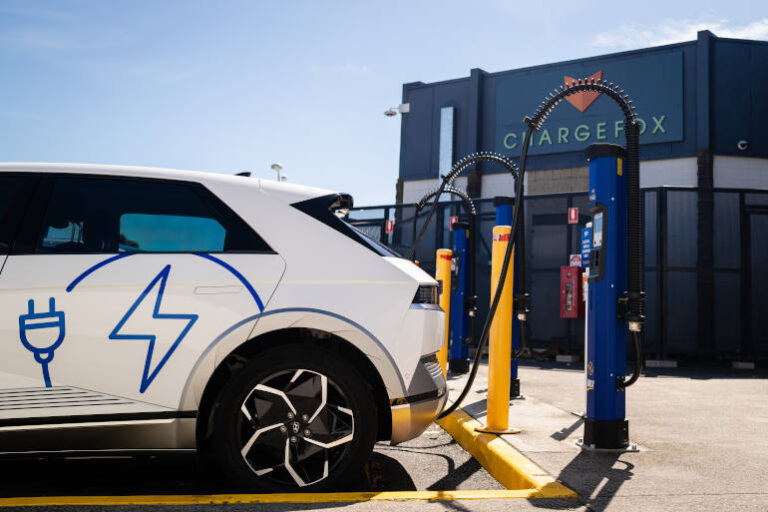
For Fleet Managers, the charging conversation has shifted dramatically in just a few short years. Once considered the biggest barrier to electrification, charging is now emerging as one of the most powerful tools to reduce cost, risk, and uncertainty in fleet operations.
At the heart of this shift is Chargefox, Australia’s largest EV charging platform. Executive General Manager, Ed Asuncion, says the biggest transformation hasn’t just been more chargers in more places — it’s the way charging technology now works seamlessly with fleet systems.
“Smart, networked charging solutions integrate seamlessly with fleet management systems. This allows for real-time monitoring, remote control, and data-driven insights that simply weren’t available before,” Mr Asuncion said. “It’s the software that has unlocked the true potential of electric fleets.”
Hardware That’s Built to Last
Fleets depend on uptime, and charging hardware has caught up to those demands. Mr Asuncion points to durability, modularity, and smarter diagnostics as the game changers.
“Chargers are more robust. They are better able to deal with harsh environments and heavier use for longer periods. And if something goes wrong, modular design means parts can be swapped quickly — the charger doesn’t have to go offline entirely,” he said.
This is critical for fleets where even short downtime can disrupt operations.
Depot or Public? Both Are Stronger Than Ever
The debate between depot charging and public charging is fading. Both are now strong options, depending on fleet fit.
“We’re seeing over 200,000 charging sessions every month on Chargefox. That means drivers are plugging in across Australia every 15 seconds. That wouldn’t happen unless chargers were available and reliable where they were needed.”
Ed Asuncion, Executive General Manager at Chargefox
Depot charging has also become more flexible. “There is a better realisation now that there is no one-size-fits-all approach. Businesses can start small with no-regrets choices and scale up as more vehicles come online,” he said.
From Capital to Operating Expense
Another breakthrough has been financing. Rather than big upfront costs, subscription and “Charging as a Service” models are making investment in charging infrastructure far more accessible.
“These models bundle the hardware, installation, software, and ongoing maintenance into a predictable monthly payment. It shifts the cost from a capital expense to an operational expense, which is a lot easier for finance teams to support,” Mr Asuncion said.
Cutting Fuel Costs With Smarter Energy
Even with rising electricity prices, EV fleets remain cheaper to run than petrol or diesel. The difference, Mr Asuncion says, is the level of control.
“When paying for fuel, the bowser price is the price. With electricity, you can cut costs through on-site solar, Power Purchase Agreements, or just finding a better retail deal for your usage profile,” he said.
Lessons That Stick
For fleets still hesitant, the lessons from early adopters are clear: start small, get people on board, and let the savings grow.
“The successful early adopters had bold goals but started small. Most began with a couple of EVs and some AC on-site charging. And they didn’t forget about the people — driver training and buy-in were essential to success,” Mr Asuncion said.
The Road Ahead
While Vehicle-to-Grid (V2G) is generating excitement, Mr Asuncion sees the bigger near-term opportunity in vehicle choice.
“The most exciting development for fleets is the proliferation of different electric vehicle types. There are now EVs available to do every job — from light commercials and heavy trucks to waste collection and even construction equipment,” he said.
For Fleet Managers, the message is clear: charging technology and infrastructure have matured, costs are falling into manageable models, and the vehicle lineup is expanding fast. The excuses to wait are disappearing — and the opportunities to lead are growing.