


Adding electric vehicles to a fleet can reduce reliance on petrol and diesel, but it can also introduce a completely different administrative problem for Fleet Managers: paying for public charging.
Unlike the established fuel card model, public EV charging can involve multiple charging networks, apps, accounts, credit arrangements and invoices.
Matt Arthur, Vice President Mobility APAC at WEX, believes this creates a new layer of complexity for fleets and Fleet Management Organisations as EV numbers increase.
“There is a real payment complexity and a complexity tax for FMOs managing multiple EV providers and having to run different credit lines, different relationships, different reporting and different customer apps for their drivers to facilitate payments on the road,” Arthur said.
It is a problem that may become more significant as fleets move beyond small numbers of electric pool or office vehicles.
One payment experience across charging networks
WEX is applying the multi-brand approach it has traditionally used for fuel to EV charging.
Its Motorpass Driver App allows drivers to locate charging sites, view availability and pricing, and make payments at supported locations.
Arthur said the objective is to simplify the experience for fleets dealing with multiple providers.
“We see WEX’s value in creating a single payment experience that allows all of those different locations to be brought together,” he said.
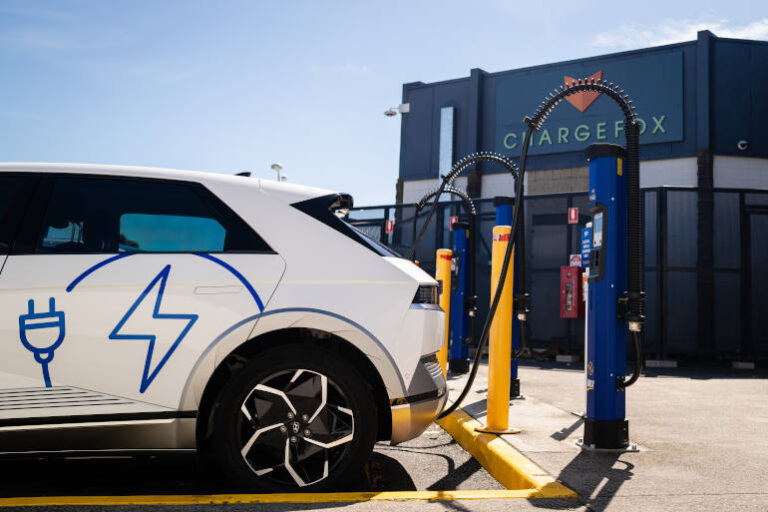
WEX has also announced a strategic partnership with Chargefox to broaden the public charging options available through its payment ecosystem.
For Fleet Managers, the issue is not simply whether a driver can find somewhere to charge. The back-office processes also matter.
Multiple charging providers can mean different statements, accounts and reporting formats. That can add administration for fleet teams and make it more difficult to consolidate vehicle operating costs.
Traditional fleets beginning to move
Arthur said EV adoption is already strong in novated leasing, while traditional operational fleets are moving at a different pace.
“What we do know is that the composition of fleets is changing,” he said. “Novated leases are significantly higher on EV and continue to grow.”
For conventional fleets, he said adoption is developing more gradually.
“We’re seeing adoption in more traditional fleets, not at the same rate, but they’re starting to go beyond just the office car,” Arthur said.
That shift matters because payment requirements become more complicated as EVs move into different fleet applications.
A handful of electric pool cars may be relatively easy to manage. A fleet with drivers regularly travelling across metropolitan and regional areas will need broader public charging access and clear processes for approving, recording and reconciling expenditure.
Payment needs to be part of EV planning
Much of the discussion around fleet electrification has focused on vehicle selection, charging infrastructure and driving range.
Payment administration can easily be overlooked.
However, if EV numbers grow, Fleet Managers will need to consider how employees pay for public charging, which networks they can access and how those transactions flow back into fleet reporting.
The move to EVs therefore creates another question for fleet transition plans: not only where vehicles will charge, but how the organisation will pay for it.