


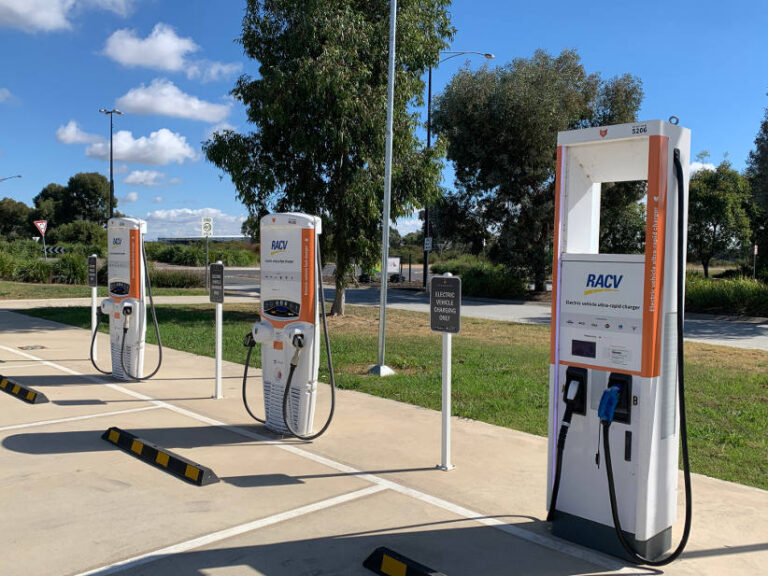
As electric vehicle (EV) ownership surges in Victoria, the RACV is urging drivers to adopt tailored EV safety practices—an essential reminder for Fleet Managers supporting employees through the shift to zero-emission transport.
From April 2024 to March 2025, sales of Battery Electric Vehicles (BEVs) and Plug-in Hybrid Electric Vehicles (PHEVs) reached nearly 117,000 nationally, according to the latest EV Index from the Australian Automobile Association. With more EVs appearing in fleet replacement schedules and on company vehicle lists, ensuring that employees are confident, safe, and efficient behind the wheel is now a key part of the Fleet Manager’s role.
RACV’s Senior Manager Electric Vehicles, Liam Brady, said that while most road rules remain unchanged, the unique characteristics of EVs require a shift in driver habits.
“EVs offer tremendous benefits, but their distinctive characteristics require some adjustment in driving habits,” Mr Brady said.
“Simple practices like maintaining consistent speeds and properly utilising regenerative braking can significantly impact both safety and vehicle range.”
Six Safety Tips Fleet Managers Should Share with Drivers
Whether you’re running driver induction programs, updating fleet handbooks, or briefing teams on EV use, the following RACV-endorsed advice should be included:
- Pedestrian Awareness Is Crucial
Unlike petrol or diesel vehicles, EVs operate almost silently—especially at lower speeds. This poses a risk in shared zones, car parks, and around schools where pedestrians may not hear the vehicle approach. Encourage drivers to reduce speed, anticipate movement from others, and use visual cues such as head nods or eye contact to confirm awareness. - Establish Visual Confirmation
Before changing lanes or proceeding through intersections, drivers should actively seek eye contact with pedestrians, cyclists, and other motorists. With EVs’ quietness and sometimes unfamiliar profile, visual cues become even more important to stay predictable and visible on the road. - Remove Distractions
Headphones, mobile phones, and infotainment systems should never distract the driver. The smooth ride and quiet cabin of an EV can mask hazards, so staying fully alert is essential—especially for new EV drivers who may still be adjusting to vehicle sounds and controls. - Drive Smoothly and Steadily
Harsh acceleration and braking not only reduce efficiency but also wear out components prematurely. Fleet Managers should reinforce the benefits of gentle driving—not just for battery range, but for improving passenger comfort and lowering accident risks. Remind drivers that EVs can accelerate rapidly, so smooth throttle control is critical. - Use Regenerative Braking
Regenerative braking captures energy during deceleration to recharge the battery. Drivers unfamiliar with this feature may find the sensation strange at first, but mastering it reduces brake wear and extends range. Consider offering EV familiarisation sessions to help staff learn how and when to apply regenerative braking effectively. - Battery Maintenance and Incident Awareness
Educating employees on proper charging practices (e.g. avoiding 100% charges regularly, using scheduled charging at off-peak times) helps protect battery longevity. In the rare event of a battery-related incident, such as a fire, drivers should evacuate and dial 000 immediately. High-voltage EV fires are uncommon but require specialised emergency response.
“Planning is particularly important for EV owners, so be aware of charging stations along your route to avoid range anxiety, especially when travelling beyond your vehicle’s typical daily range,” Brady added.
Why It Matters for Fleets
For Sustainability Managers and Finance Managers driving fleet decarbonisation plans, these safety practices help protect your investment in low- and zero-emission vehicles. Preventing early battery degradation, avoiding collisions caused by unfamiliar controls, and reducing repair costs from heavy brake use are all operational wins.
Engaging employees with the why and how of driving EVs safely also supports broader cultural change. If staff feel confident and informed, they’re more likely to support the EV transition—particularly where pool cars, tool-of-trade vehicles or novated lease options are involved.