


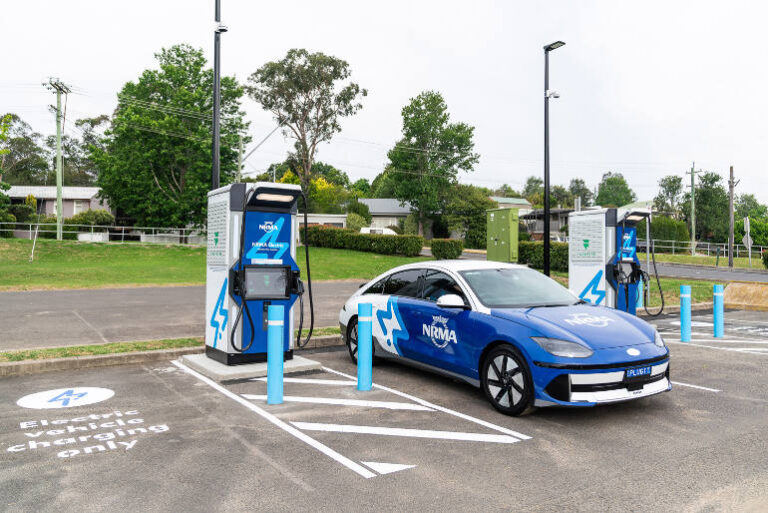
From 4 August 2025, NRMA Electric is introducing a new pricing structure across its national charging network, including the addition of idle fees, as demand grows and sites become busier.
For fleet operators and company car drivers who rely on public charging, these changes mark an important evolution in how the industry balances access, fairness, and operational efficiency.
Rising Costs Drive New Charging Tariffs
NRMA said the decision to change pricing was not made lightly.
“We work hard to keep our price updates to a minimum, knowing that many are feeling the pressure of rising living costs. However, as electricity costs continue to rise, from 4 August 2025 we’ll be changing our prices at NRMA Electric charging sites.”
Importantly, pricing will now vary across different sites. Fleet Managers are encouraged to use the My NRMA app to check the latest location-specific pricing. This localised pricing model reflects actual operational costs at each site and allows NRMA to maintain reliable infrastructure in regional and metropolitan areas.
Idle Fees to Encourage Charger Turnover
In a move welcomed by regular EV drivers and operators, NRMA will introduce a $1-per-minute idle fee starting shortly after the August pricing update. Drivers will be given a 10-minute grace period after charging is complete to move their vehicles, after which the idle fee kicks in.
“You asked, we listened. We will soon be introducing a $1-per-minute idle fee to help ensure our chargers are available for everyone.”
The introduction of idle fees is aimed squarely at deterring drivers from using charging bays as parking spaces — an issue that has become more common as EV adoption rises.
For businesses managing EVs, this change could reduce driver downtime by increasing availability at key locations.
Member Discounts Simplified
NRMA is also streamlining how its My NRMA Rewards member discount is applied. From 4 August, members will receive a flat 5 cents per kWh discount when using the My NRMA app. This replaces variable or promotional discounts that may have applied previously.
The discounted price will be displayed in the app before charging begins, simplifying budgeting and making cost comparisons easier.
What This Means for Fleet and Sustainability Managers
These changes signal a growing maturity in Australia’s EV charging market — and NRMA’s approach will likely set the tone for other network operators. For fleets, the move has several implications:
- Charging Etiquette is Being Enforced
Idle fees are designed to keep chargers flowing, which could improve utilisation and reduce time spent queueing — especially valuable for high-use company vehicles. - Operational Planning is More Critical Than Ever
With site-specific pricing, Fleet Managers may need to guide drivers toward lower-cost sites to manage Whole of Life Costs (WOLC) and avoid peak-pricing locations. - Competitive Edge for Proactive Networks
By acting now, NRMA may gain a competitive edge over networks that continue to allow free-riders to clog up charging bays. This could attract more loyal commercial users who value charger availability over free parking. - Encouraging Better Driver Habits
Introducing idle fees sends a strong message that the charger is not a car park — something many operators and Sustainability Managers have been trying to educate drivers about for years.
Time to Review Charging Policies
Now is a good time for fleet operators to review their charging policies and communicate these changes to employees. Consider:
- Including idle fee awareness in EV handover packs
- Setting clear expectations around moving vehicles promptly after charging
- Updating preferred charger lists based on new pricing
- Using telematics or EV charging management tools to monitor public charging habits
For organisations expanding their electric fleets, these changes highlight the need for a balanced charging strategy. Public charging is a critical piece of the puzzle — especially for drivers without access to home or depot charging — but it must be used efficiently.
NRMA’s new idle fees and pricing structure aim to keep chargers accessible and fair. For forward-thinking fleets, that could mean faster turnarounds, fewer blocked bays, and better planning tools.