

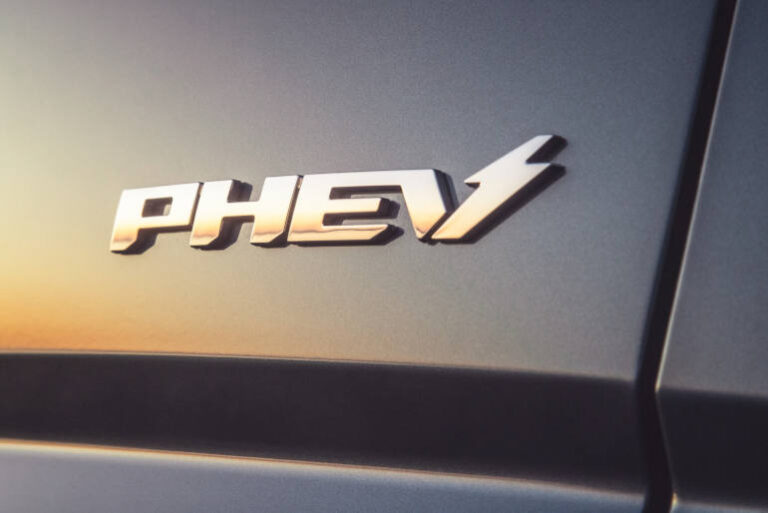
Let’s stop pretending. Plug-in Hybrids (PHEVs) are not a solution. They’re a distraction. Worse, they’re a Trojan Horse parked in the depot, sneaking fossil fuel dependence right back into fleets under the guise of progress. For an organisation targeting net zero, the message is clear: anything short of a full EV is a disaster, and PHEVs are the worst kind of halfway house.
The “Greenwash” on Four Wheels
PHEVs were sold to fleets as the safe compromise: lower emissions, longer range, and electric-only driving for short hops. But here’s the problem—if your drivers don’t plug them in (and let’s be honest, you’re not checking), the battery becomes nothing more than dead weight. Emissions climb. Fuel costs rise. And your sustainability report becomes a work of fiction.
Instead of being a stepping stone, PHEVs are a stumbling block. They let executives feel virtuous while fleets pump out more CO₂ than before. That’s not progress—that’s a con.
The Ute Mirage
Nowhere is the con more obvious than in the “coming soon” dual-cab ute market. It’s been hyped as the holy grail for fleets. But look closer: they’re lifestyle toys, not workhorses. They arrive with tubs, not cab-chassis options. They don’t meet the fit-for-purpose test that real fleet applications demand.
Instead of forcing the hard conversation—“Do we really need a ute here, or could a passenger EV or SUV do the job?”—fleets are kicking the can down the road with hybrid badge engineering.
PHEVs: Worse Than Doing Nothing
The brutal truth? If your fleet adopts PHEVs without plugging them in, you’ve actually gone backwards. You’ve made your emissions profile worse than the diesel and petrol vehicles you were replacing.
That’s not transition—that’s regression. And while it might delay the boardroom panic about infrastructure, it also delays the real gains that full EVs deliver every day: zero tailpipe emissions, lower operating costs, and compliance with tightening standards.
The Only Way Forward
Full EV adoption isn’t just an option anymore—it’s the only credible path. That means:
- Setting real fleet strategies with measurable targets.
- Using fuel and telematics data to build an emissions baseline.
- Deploying charging infrastructure—at homes, depots, and workplaces.
- Training staff to think in terms of energy management, not petrol stops.
- Making trip planning a fleet safety fundamental, just as important as driver behaviour.
It’s harder than ticking the “hybrid” box on a procurement form, but it’s the only way to deliver what stakeholders, customers, and communities are demanding.
Call It What It Is
PHEVs are the fleet industry’s fig leaf—covering up inaction while whispering promises of “time buffers” and “transitional solutions.” But for fleets serious about emissions reductions, the message is simple: don’t be conned. Every dollar spent on PHEVs is a dollar not invested in the real future—battery electric vehicles.
The longer fleets cling to PHEVs, the longer they’ll delay the inevitable. And every kilometre driven on a PHEV without plugging in is a kilometre wasted. It’s time to drop the hybrids and commit. Anything less is just greenwash with a fuel cap.