

For Navroop Singh, the shift to electric wasn’t instant – but once he tried it, there was no going back.
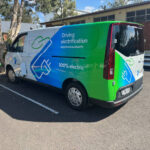
The Western Sydney delivery professional first rented an electric van in mid-2023. Two months later, he trialled an electric truck. Both experiences were so positive that by September 2024, Navroop had purchased his first EV. Today, he operates a fleet of eight electric vans with a team of nine drivers under ANC’s IKEA contract, servicing delivery zones across Sydney’s Southwest, West, and Inner West.
“After one week in an EV, I didn’t want to go back. It’s clean, powerful, and saves me so much fatigue,” says Navroop, who has been delivering for ANC since 2020.
Financial Wins
Navroop charges his fleet primarily at home overnight, cutting fuel expenses by hundreds of dollars each week. With fewer moving parts, EVs have reduced repair and maintenance costs, freeing up income for reinvestment. Supported by ANC’s advice on chargers and incentives, Navroop has built a profitable model that aligns with customer demand for greener deliveries.
Brand and Driver Benefits
The transition has strengthened Navroop’s business reputation, aligning with the sustainability values of both ANC and IKEA. His drivers enjoy quieter, more comfortable vehicles, with less fatigue and improved wellbeing. “I have happier customers, healthier drivers, and a stronger bottom line,” he says.
Project Spark Support
Like many ANC contractors, Navroop leaned on Project Spark for knowledge, tools, and encouragement. The program provided early advice on home charger installation, vehicle trials, onboarding support, and training to ease the transition. It also guided him through grants and incentives to reduce upfront costs.
ANC Leading the Charge
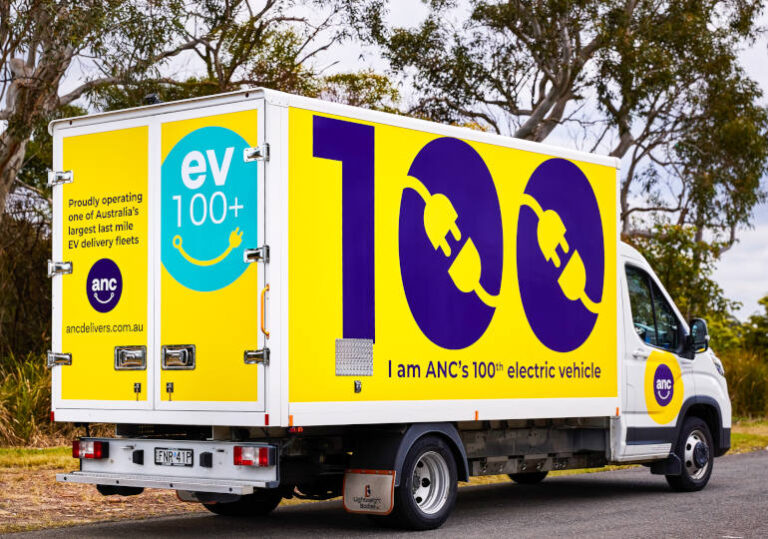
Navroop’s growing fleet is part of a much larger effort. ANC now operates more than 100 EVs nationwide, supported by ARENA funding and partnerships with OEMs and charging providers. To date, ANC EVs have moved 17.17 million kg of freight, avoided burning 263,000 litres of diesel, and are on track to make 30% of deliveries zero-emission by 2028.
With charging strategies ranging from home set-ups to public fast chargers and depot solutions, ANC is laying the foundations for large-scale sustainable delivery. For Navroop, that means confidence to keep expanding: a bigger fleet, a stronger team, and a business future powered by clean transport.
- Parramatta found a simple way to tackle EV resistance
 Range anxiety isn’t always solved with another spreadsheet. Sometimes you need to hand someone the keys. That’s one of the lessons from City of Parramatta’s fleet electrification program, where an EV drive week has become an important tool for building employee support for the transition. Speaking at Everything Electric Sydney during a panel featuring finalists
 - Ausgrid’s charging strategy goes well beyond the depotInstalling chargers at the depot might be the obvious starting point for fleet electrification. For Ausgrid, it wasn’t going to be enough. As the electricity network continues electrifying passenger vehicles, vans and trucks, it has developed a charging strategy designed around how employees actually use fleet vehicles. Speaking during the Fleet News Group Awards finalists
- For Allianz, EVs are now business as usualFor many organisations, fleet electrification still means pilots, trials and discussions about what might happen next. At Allianz, the conversation has moved on. After starting its transition with a small pilot of 12 vehicles two years ago, the insurer has reached the point where electric vehicles are becoming part of its normal fleet replacement process.
- A Charger That Powers Up Isn’t Finished: Why Commissioning Matters for Fleet EV ChargingAn EV charger can be installed, connected and apparently operating — and the charging system can still be wrong. That is one of the more important lessons from the Local Council EV Integration Project involving Wyndham, Brimbank and Moonee Valley councils. As fleet charging installations become larger, depots are adding not only chargers but load
- How to Install EV Charging Without Shutting Down the DepotBuying electric vehicles may be the visible part of fleet electrification, but much of the hard work can happen underground. Trenching, conduits, electrical upgrades, switchboards, charger foundations, communications, traffic management and electrical shutdowns all need to be completed while the depot continues doing its normal job. Experience from the Local Council EV Integration Project involving