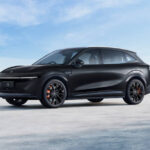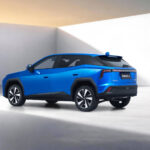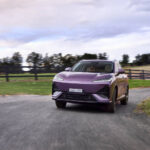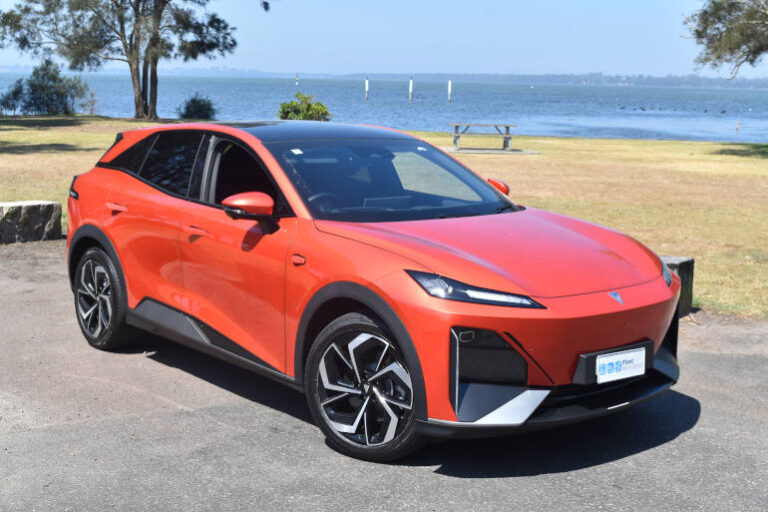
The electric SUV market is crowded. For Fleet Managers and novated lease buyers, that’s both a blessing and a headache. So where does the Deepal S07 sit?
After spending time behind the wheel, the short answer is this: it’s comfortable, well-equipped, priced competitively — and very much fit for purpose in a fleet environment.
The fundamentals: range, performance and drivetrain
The S07 is a rear-wheel-drive battery EV powered by a 79.9kWh battery. Outputs are 160kW and 320Nm, with a 0–100km/h time of 7.9 seconds. That’s not sports-car territory — and it’s not trying to be.
Claimed range is 475km. In practical fleet terms, that’s more than adequate for urban and most regional applications, especially for back-to-base operations where overnight charging is available.
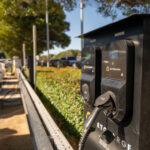
Charging performance is solid rather than class-leading. On a DC charger (up to 92kW), Deepal claims 30–80 per cent in around 35 minutes. On an 11kW wallbox, expect roughly eight hours for a full charge. Plug it into a standard 240V outlet and you’re looking at closer to 10–11 hours — ideal for overnight replenishment.
For fleets with depot charging, this is a workable and predictable setup.
What Fleet Managers will really look at
Warranty and servicing are where the S07 becomes particularly interesting.
- 7-year / 160,000km vehicle warranty
- 8-year / 240,000km battery warranty
- 7-year capped price servicing
- Total servicing cost over seven years: $2,963
For fleet buyers building a Whole-of-Life Cost (WOLC) model, that transparency matters. You know what you’re paying in advance. There are no surprises hiding in year four or five.
In a market where predictability drives procurement decisions, that’s a strong tick.
Interior: premium without the premium badge
Step inside and the S07 feels more upmarket than its price suggests.
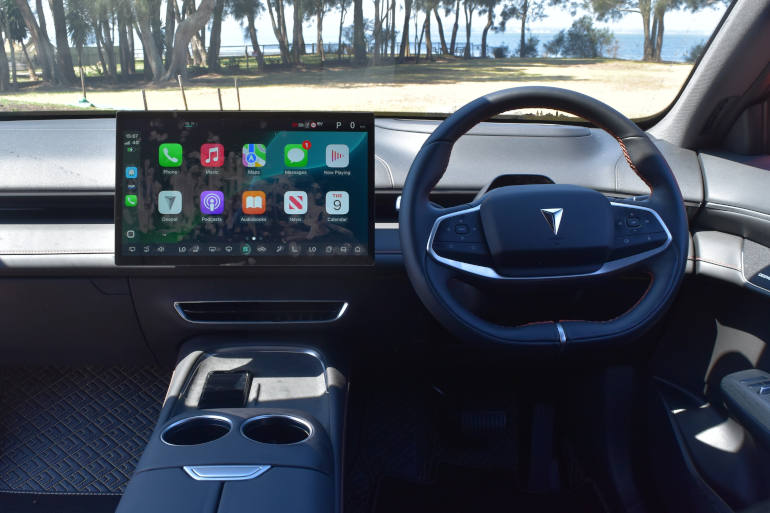
There’s a large central infotainment screen that tilts towards the driver, a minimalist dashboard layout, and a clear head-up display that handles speed and key information. There’s no traditional instrument cluster — everything is either on the main screen or projected onto the windscreen.
Heated and ventilated seats front and rear are standard. The cabin is quiet, refined and genuinely comfortable for daily commuting.
For novated lease buyers, this is where the S07 becomes compelling. At $53,900 plus on-road costs, it undercuts many rivals while delivering high-end features typically associated with more expensive brands.
Practicality for fleet operations
Under the bonnet, there’s no engine — just a 125-litre frunk. It’s ideal for storing charging cables or small equipment.
Boot capacity is 445 litres, expanding to 1,385 litres with the rear seats folded. For a medium SUV, that’s competitive and practical.
In real-world driving, the S07 cruises comfortably on freeways and handles urban environments with ease. It’s not designed to excite — it’s designed to do the job. For many fleets, that’s exactly what’s required.
Safety: non-negotiable in fleet
The S07 achieved a five-star ANCAP safety rating in 2024. It comes equipped with:
- Autonomous emergency braking
- Forward collision warning
- Lane departure warning and lane keep assist
- Blind spot detection
- Rear cross traffic alert
- Traffic sign recognition
- TPMS
For organisations with strict vehicle selection policies, that five-star rating keeps it eligible.
The fleet verdict
The electric SUV segment now offers a broad spectrum of options. The Deepal S07 doesn’t attempt to be the fastest or the most technologically radical.
Instead, it focuses on delivering:
- Solid real-world range
- Transparent servicing costs
- Competitive purchase price
- Strong safety credentials
- A premium-feeling cabin
For Fleet Managers transitioning to EVs, particularly in back-to-base applications, the S07 presents a logical, financially defendable option.
For novated lease customers, it’s even more interesting. With the right salary packaging structure, the after-tax cost can make it competitive with many petrol SUVs — while delivering the benefits of zero tailpipe emissions and lower servicing complexity.
In a crowded EV market, sometimes the best fleet vehicle isn’t the most exciting one. It’s the one that quietly gets the job done — every day.
- BEVs reach 68% of Smartgroup’s new novated lease orders
 Battery electric vehicles accounted for more than two-thirds of Smartgroup’s new novated lease vehicle orders during the first half of 2026, highlighting the continued influence of electric vehicle incentives on salary-packaged vehicle demand. Smartgroup reported that BEV new-vehicle orders increased 162% compared with H1 2025 and represented 68% of all new vehicle orders during the
 - ivygo brings 100+ businesses together to unlock the commercial opportunityMore than 100 businesses and industry representatives have registered for a new forum designed to help NSW businesses understand how electrification can reduce operating costs, attract customers and future-proof their operations, as new battery incentives become available. The Business Electrification Forum, initiated by EV charging platform ivygo in collaboration with Everything Electric Sydney, will bring around 150 business
- More Electrified Omodas are Coming to AustraliaOmoda Jaecoo will expand its Australian SUV line-up in 2027 with the arrival of the new Omoda 4 and Omoda 7, with both models set to offer new energy powertrain options as the brand builds its presence in the local electrified vehicle market. Both SUVs will sit below the Omoda 9, giving the brand additional
- New Lepas L6 Gives Fleets Another Electric SUV OptionChery Group’s newest automotive brand will launch in Australia in October, with the L6 EV bringing a 65kWh battery, 440km WLTP range and a strong technology package into the competitive mid-size electric SUV segment. A new electric vehicle brand is preparing to enter the Australian market, with Lepas confirming its first local model will be
- New CUPRA Raval Delivers Five-Star SafetyCUPRA’s upcoming Raval electric city car has secured a five-star Euro NCAP safety rating under the organisation’s new 2026 assessment protocol, strengthening its credentials as the brand prepares to expand its electric vehicle range. The Raval was designed, developed and manufactured at CUPRA’s Martorell facility and joins the Born and Tavascan EVs, along with the